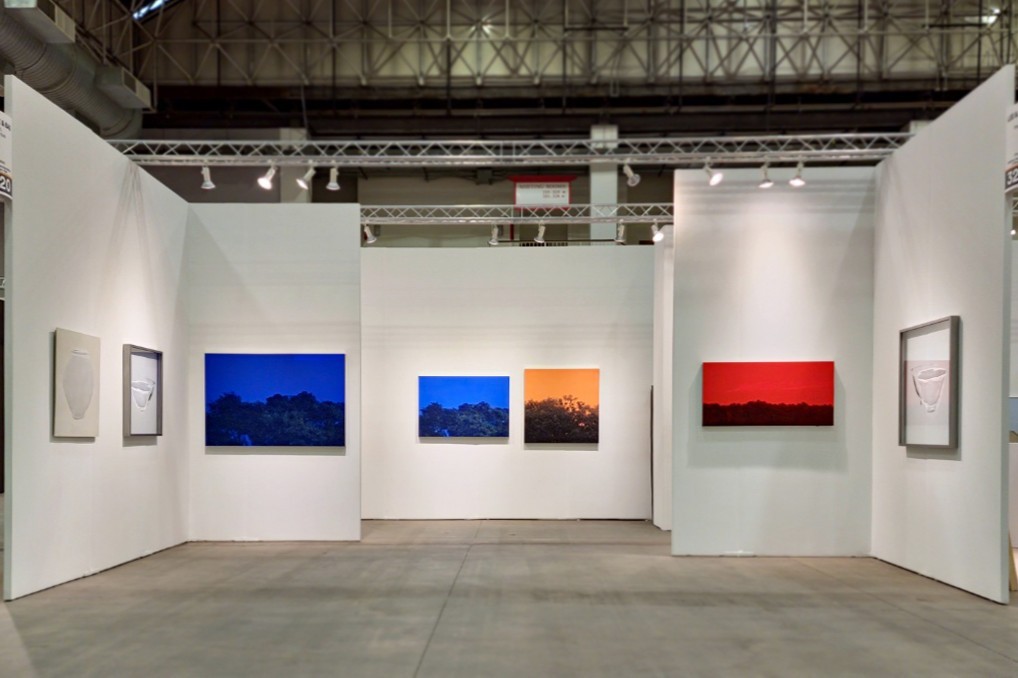
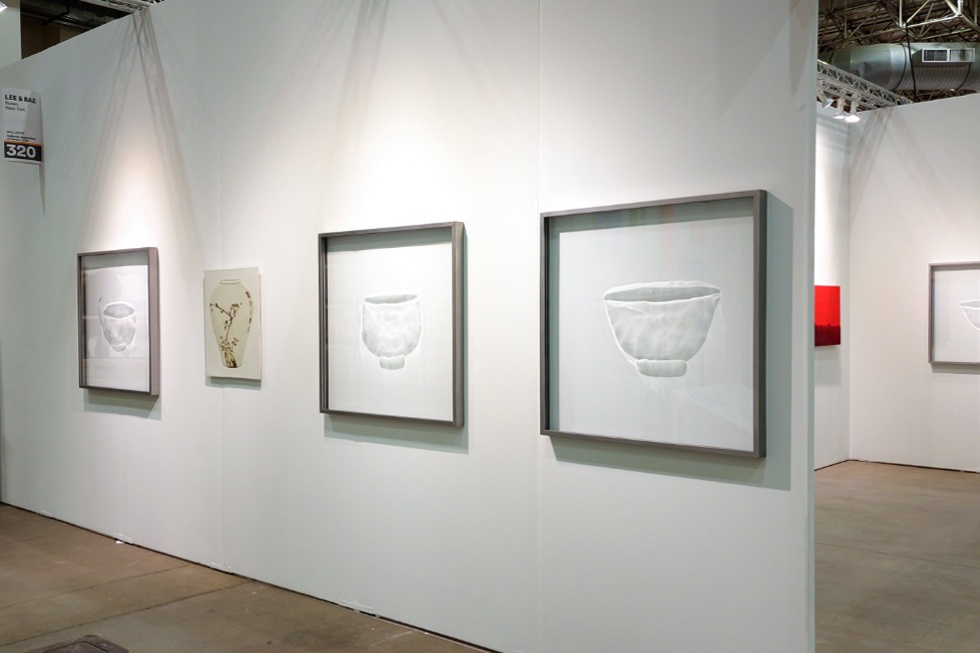
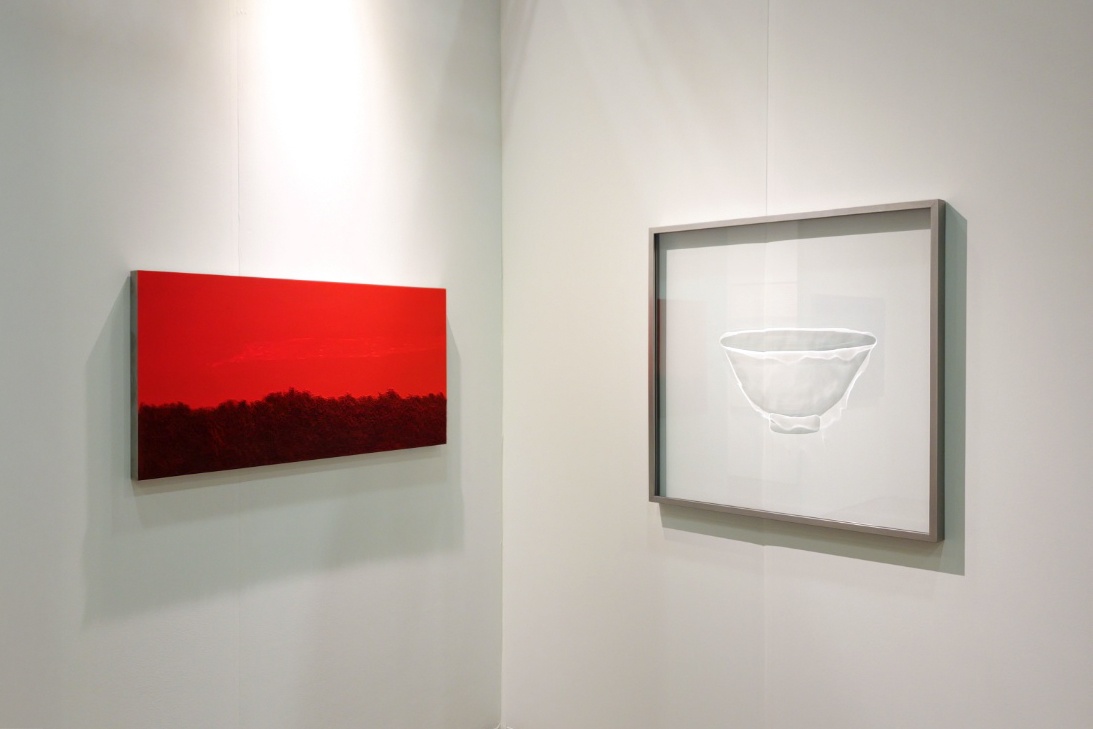
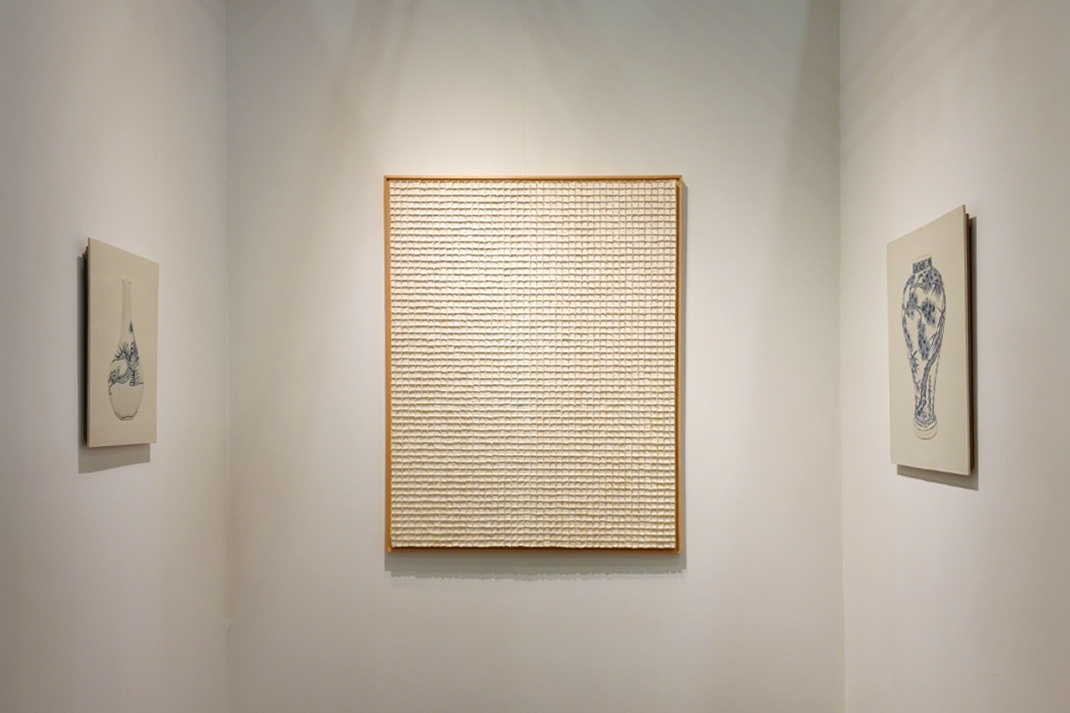
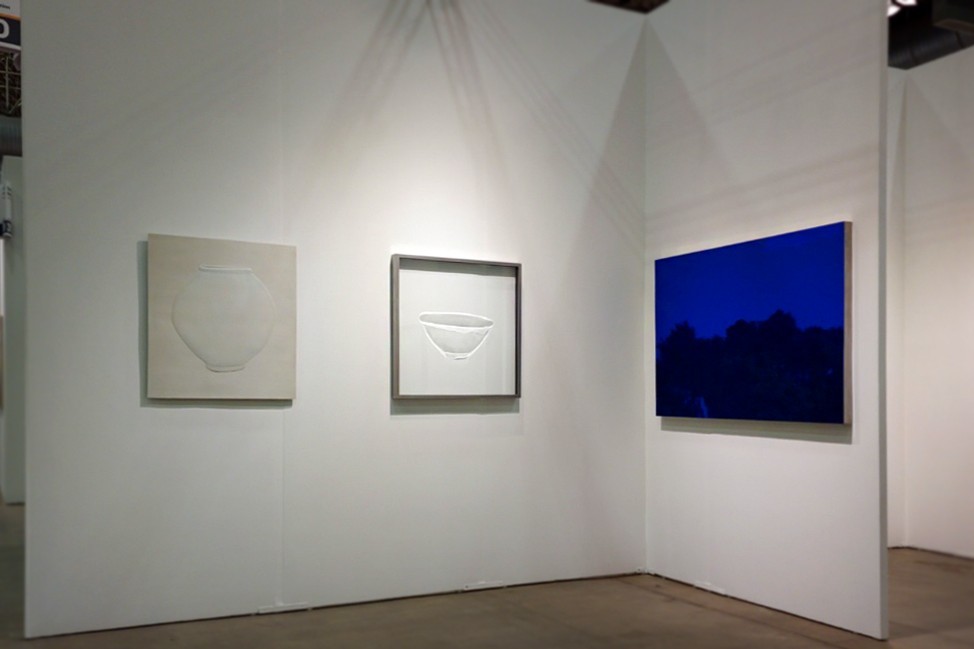
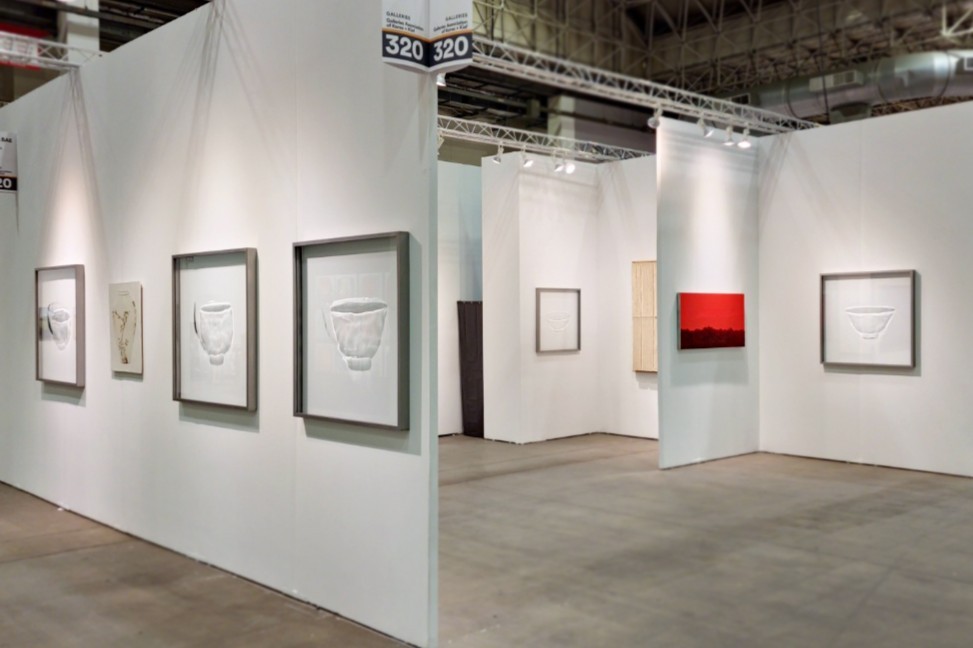
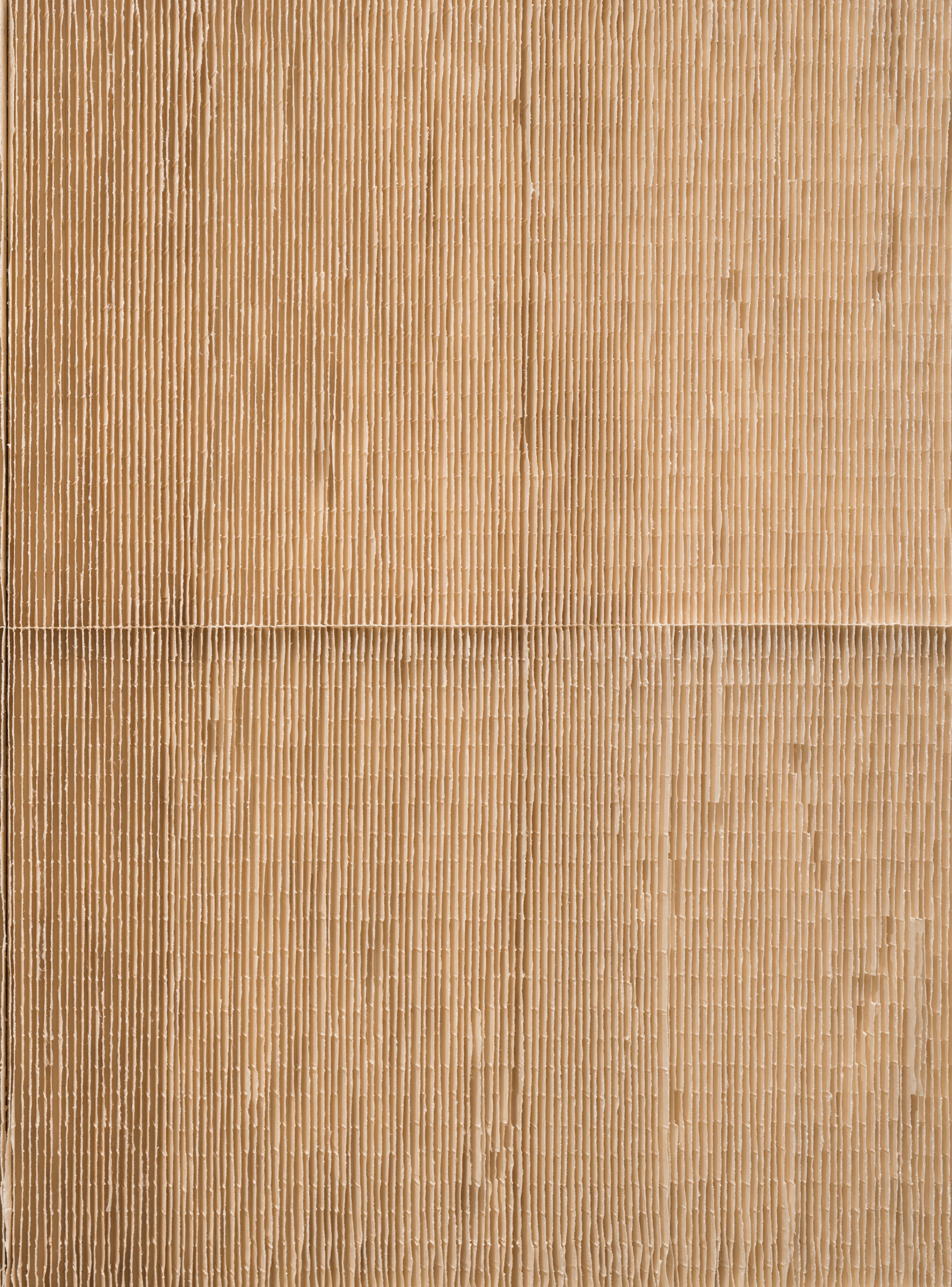
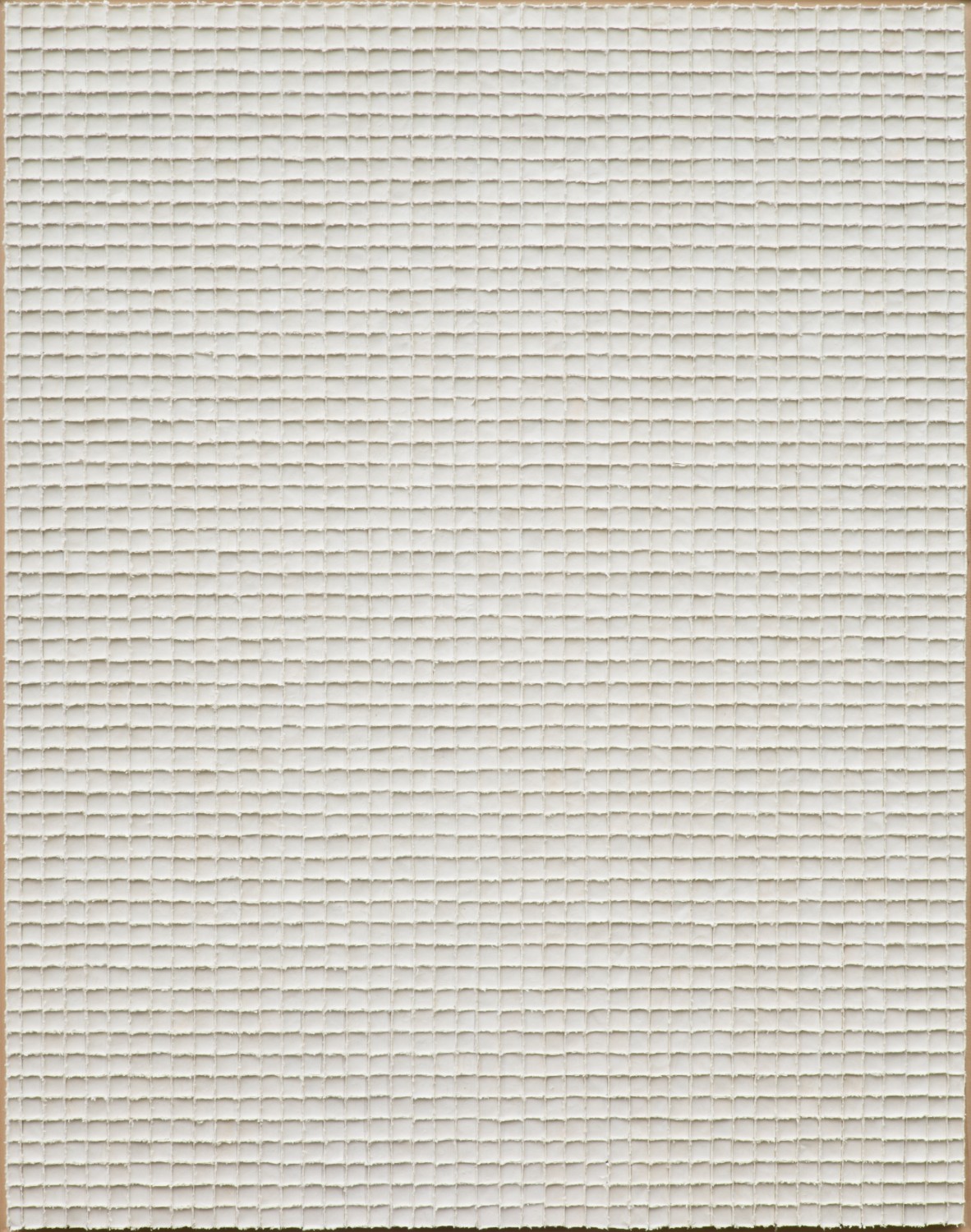
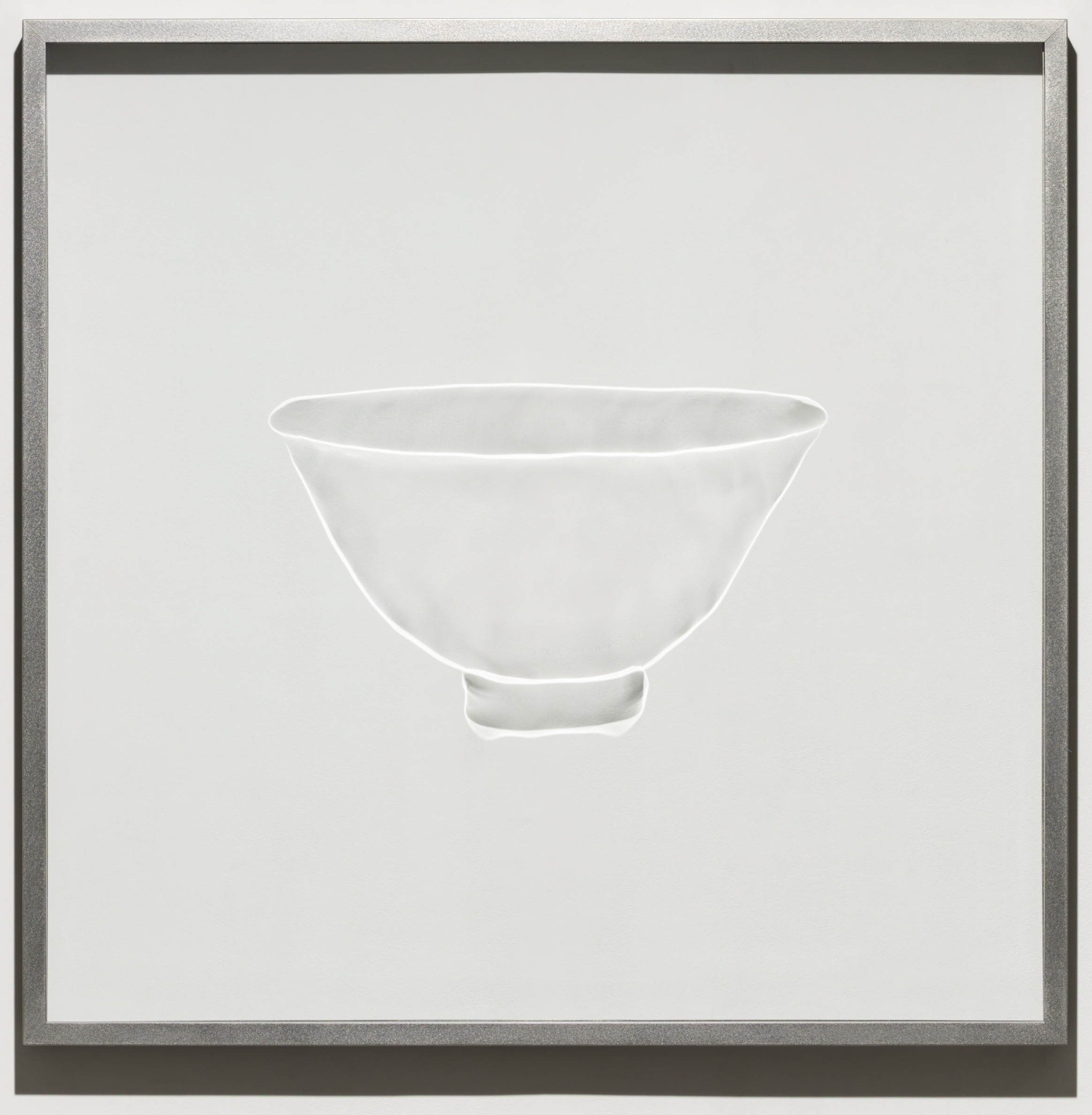
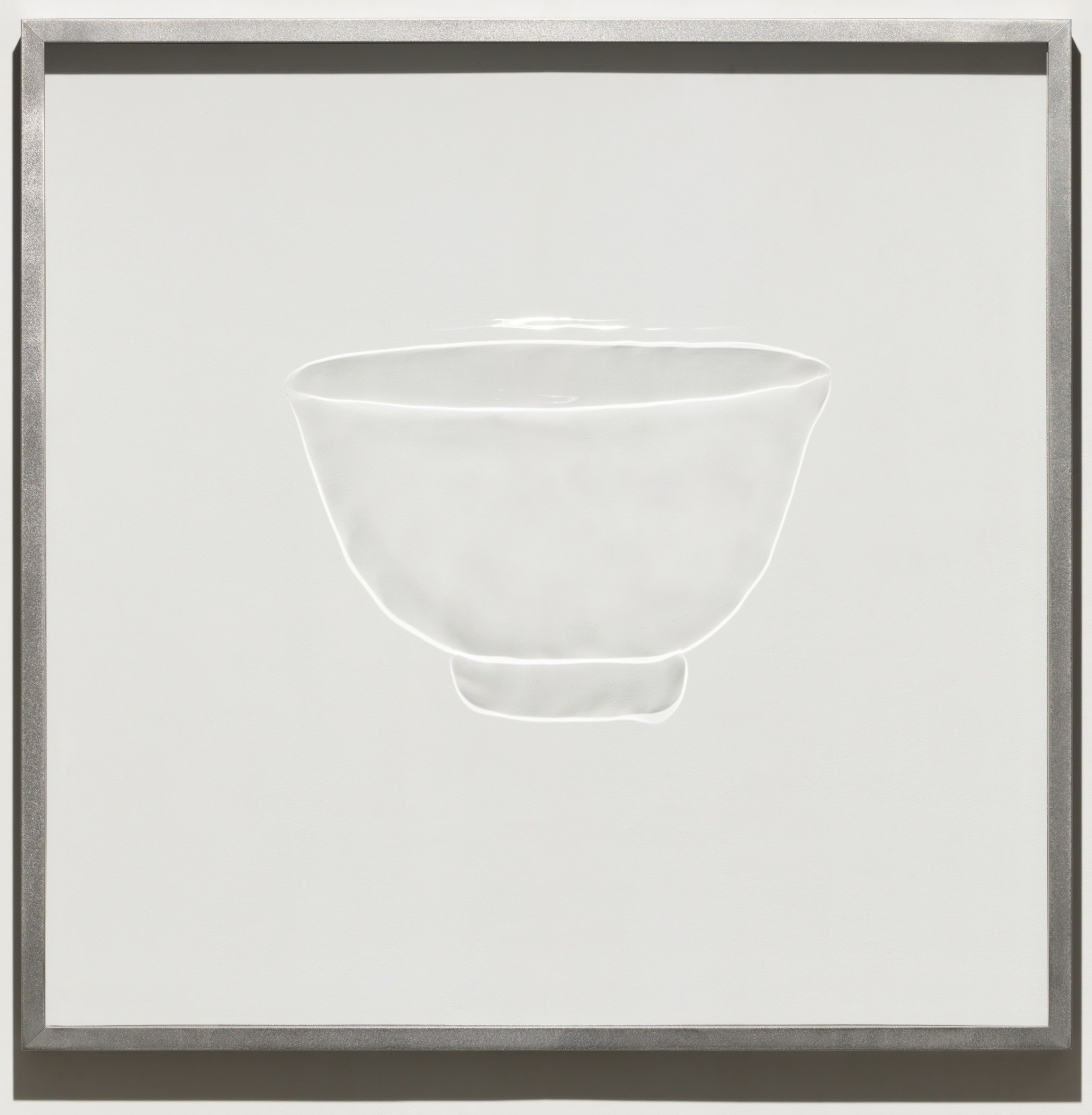
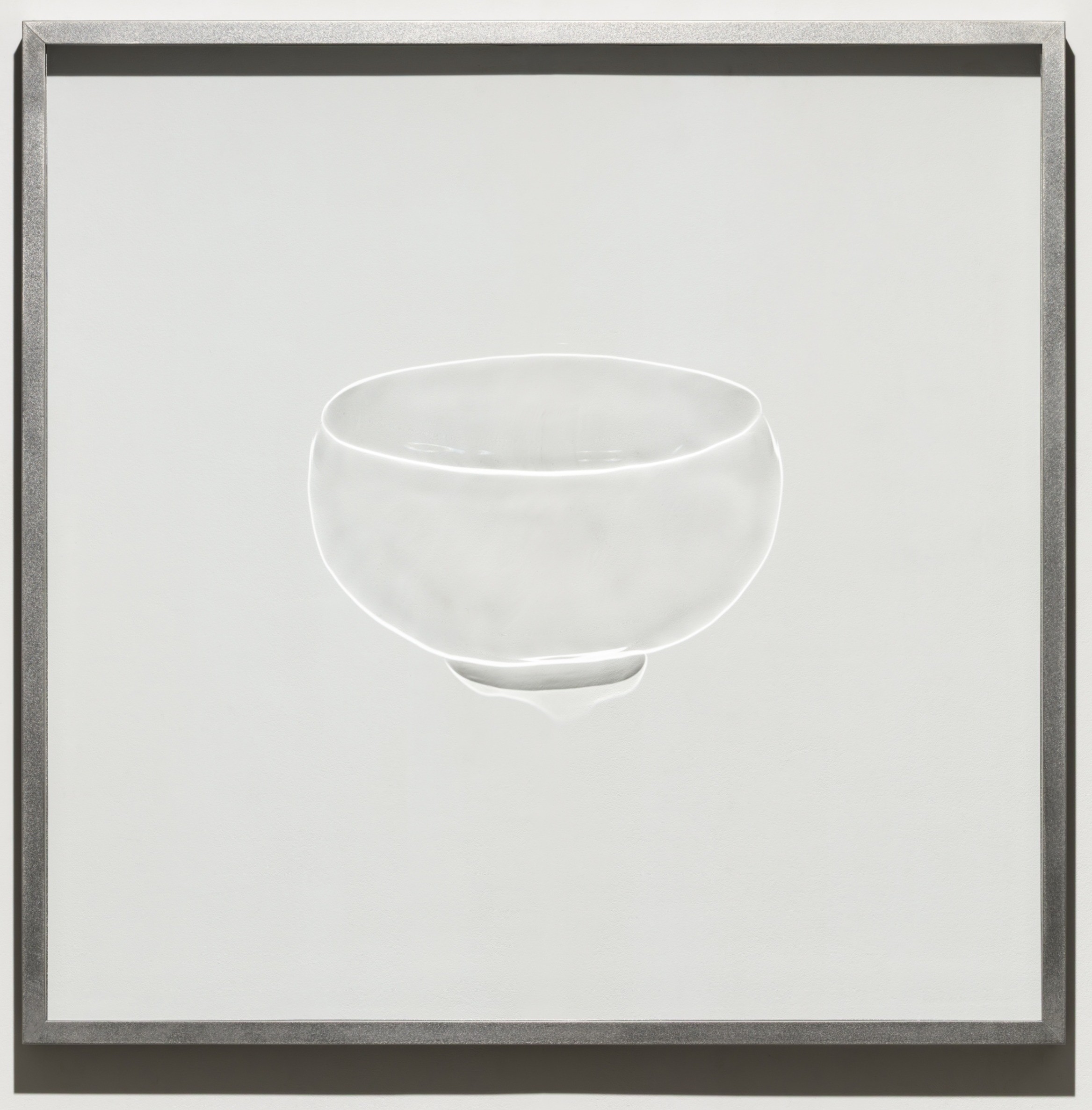
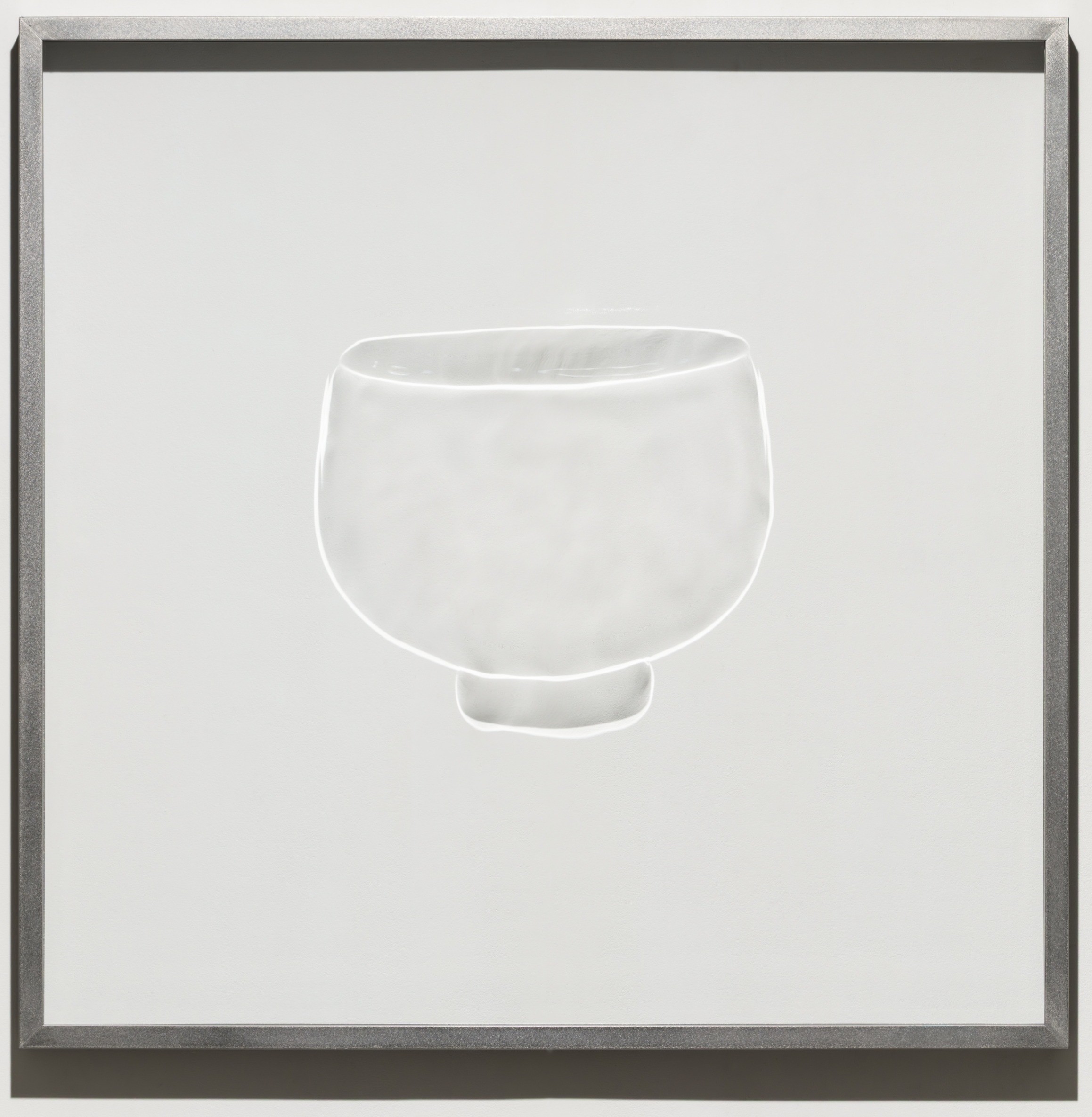
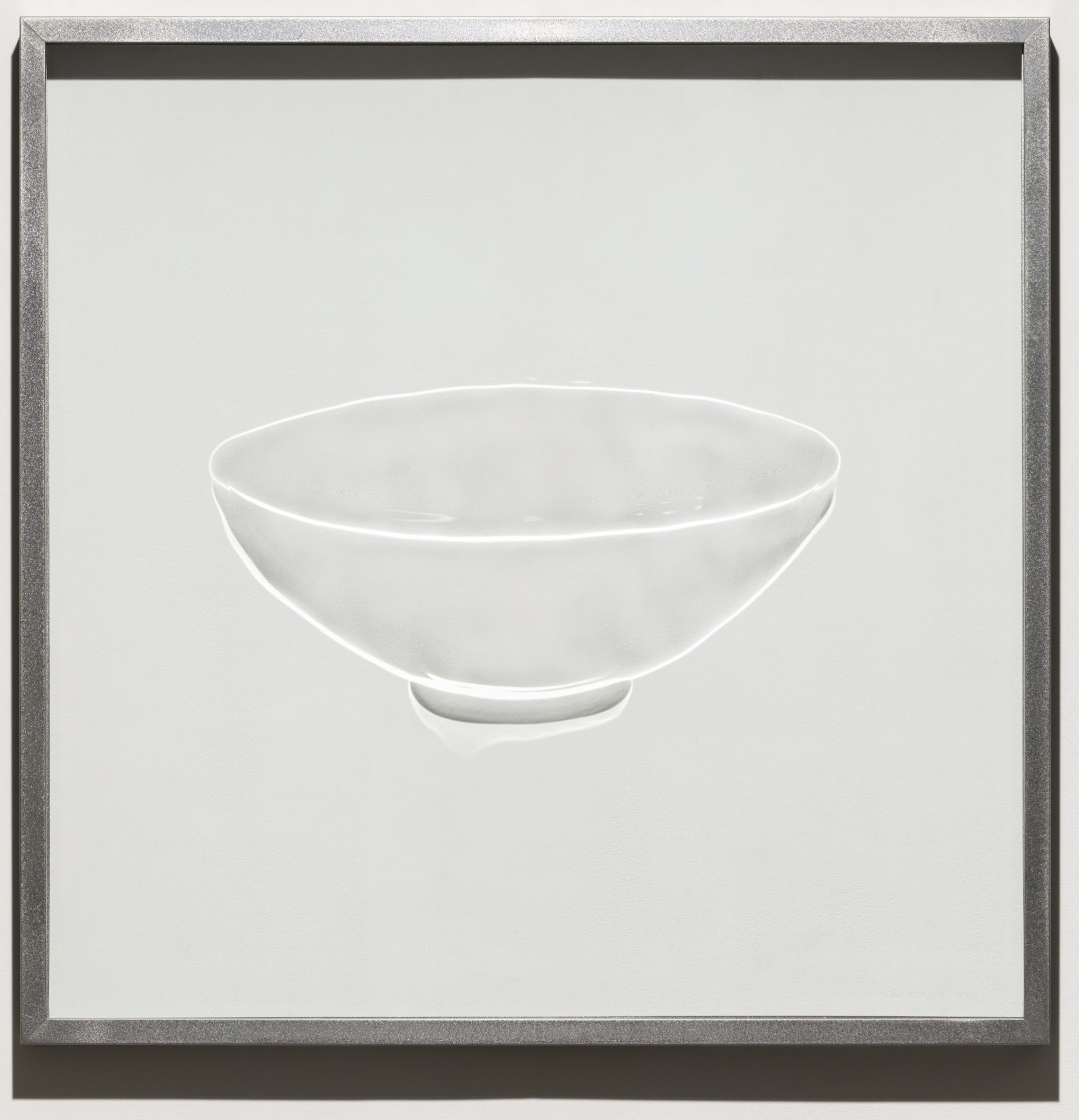
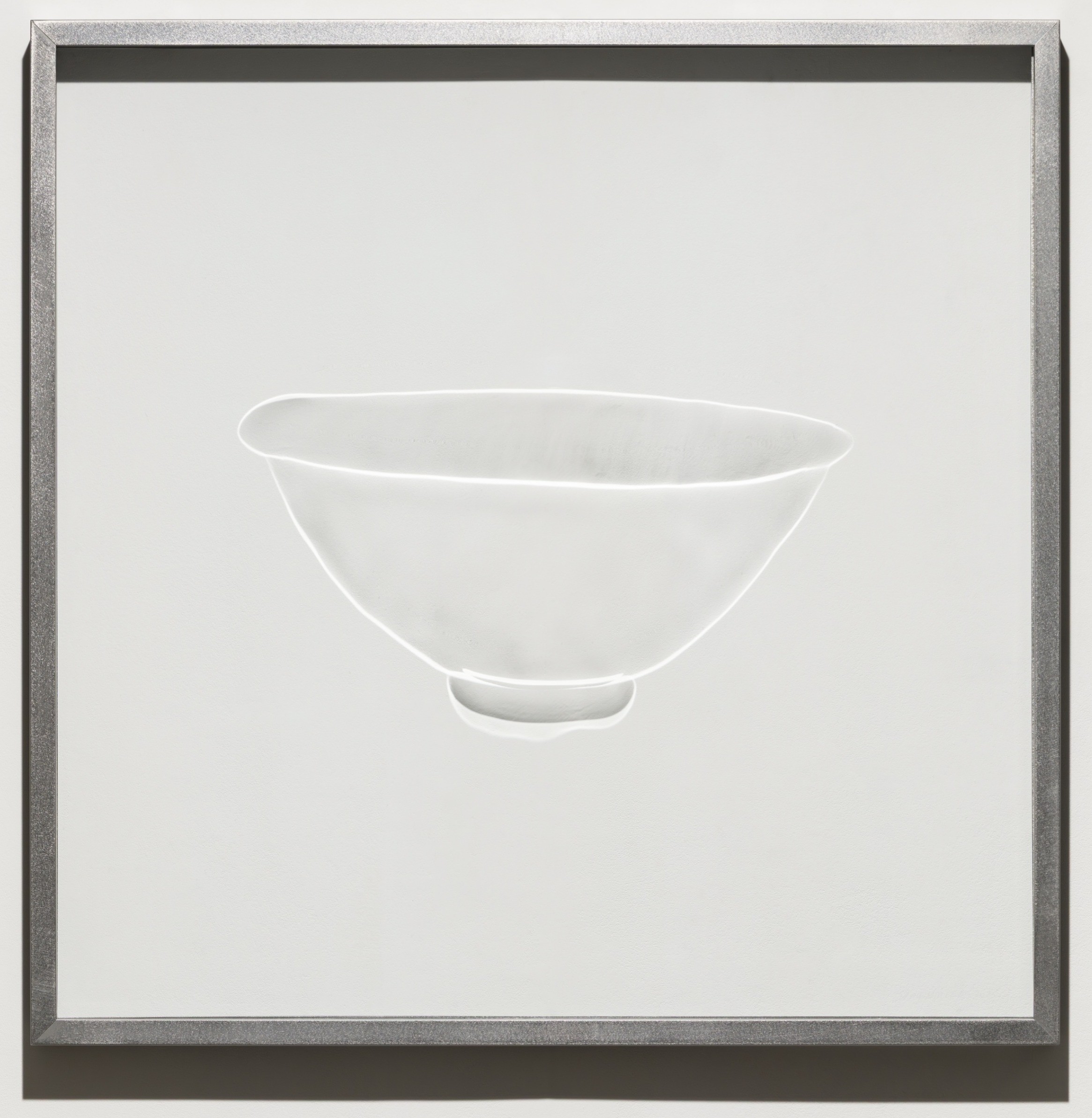
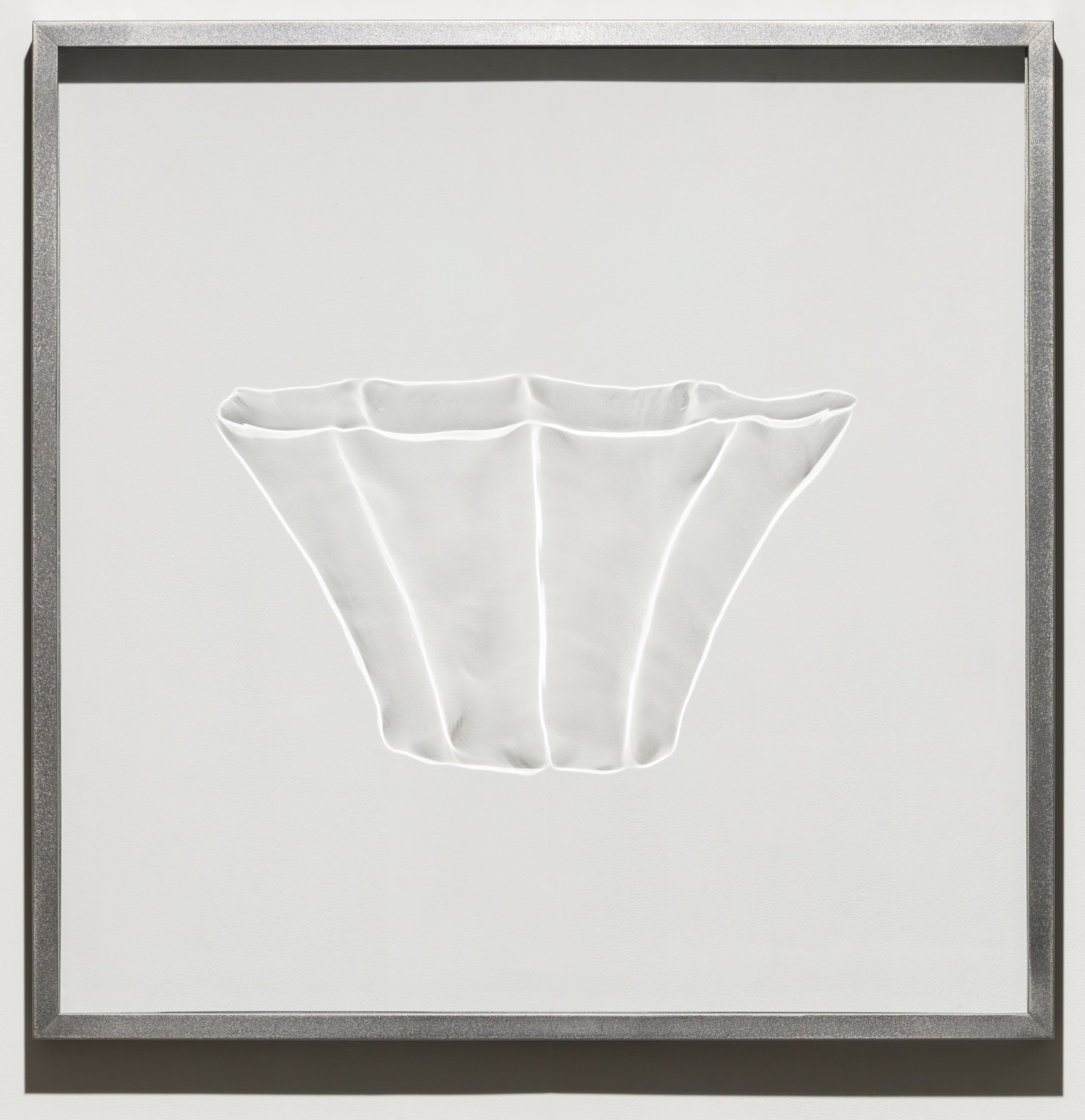
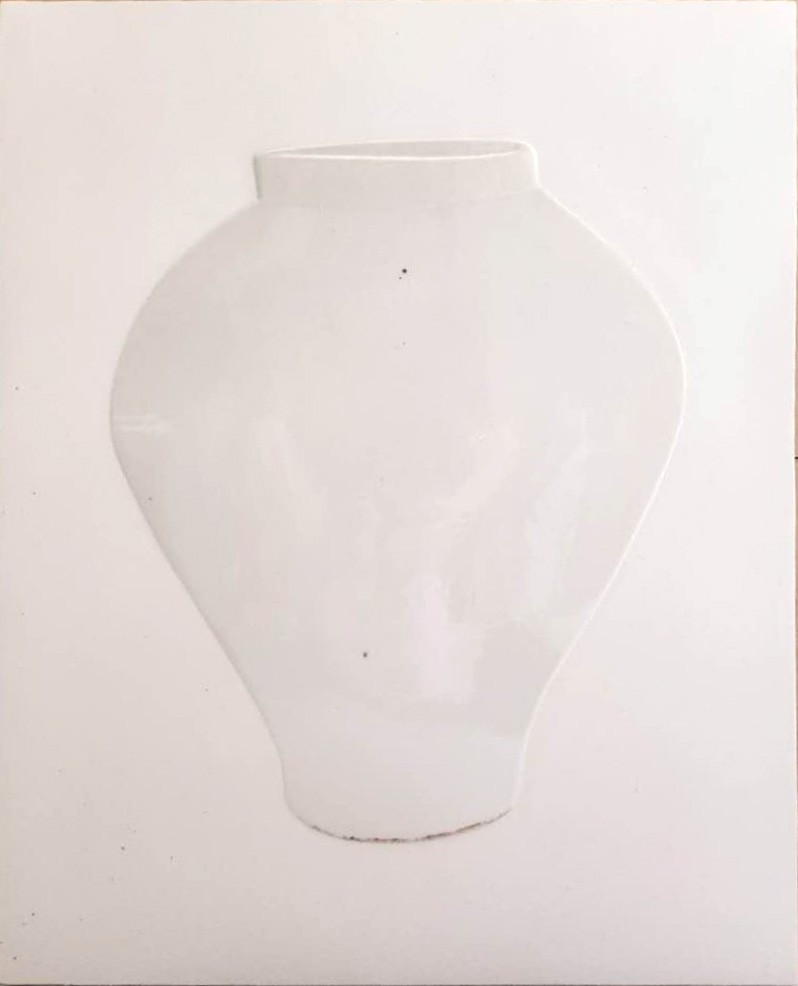
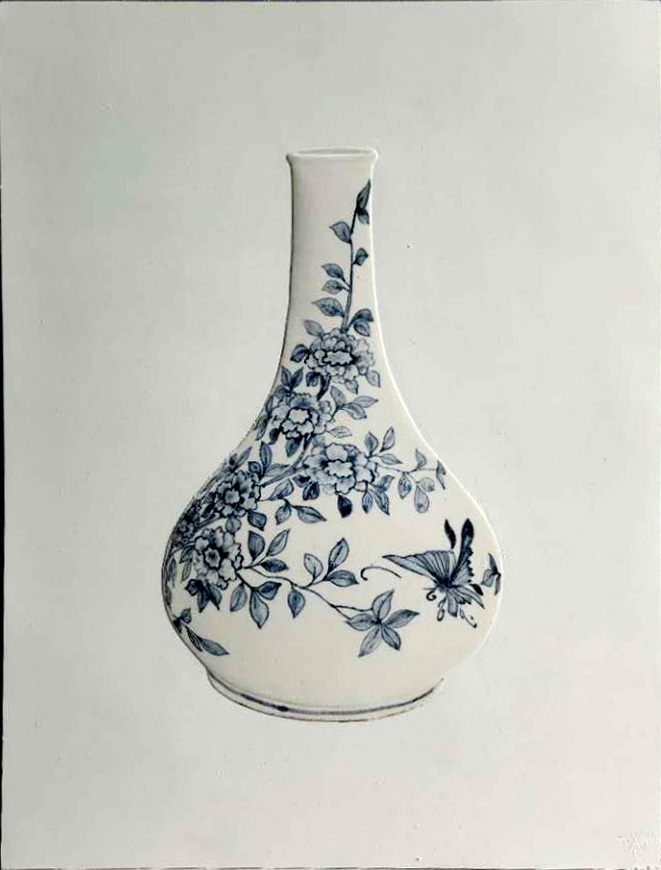
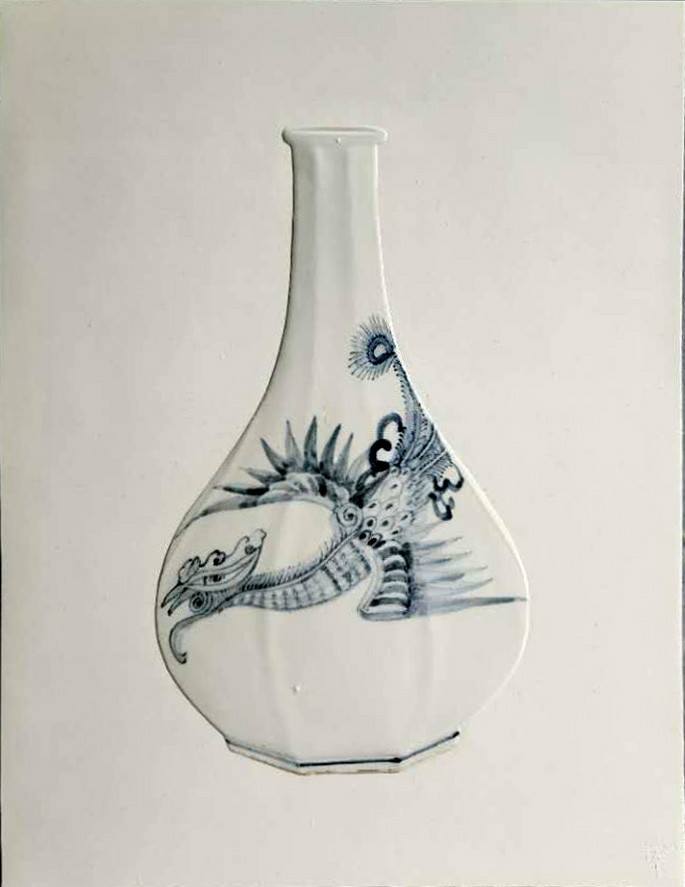
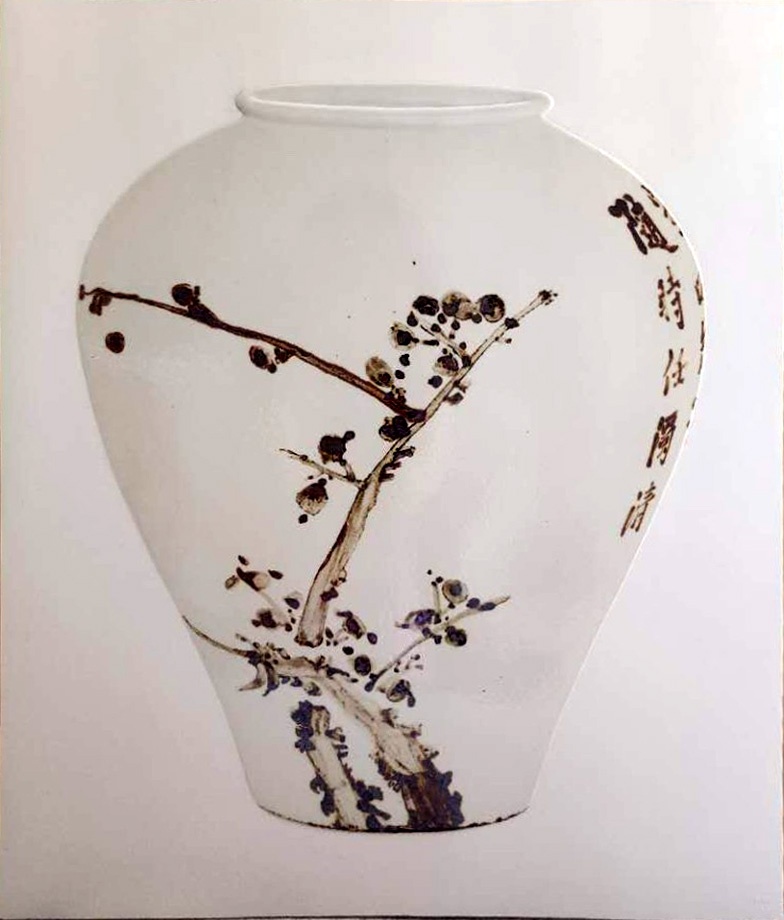
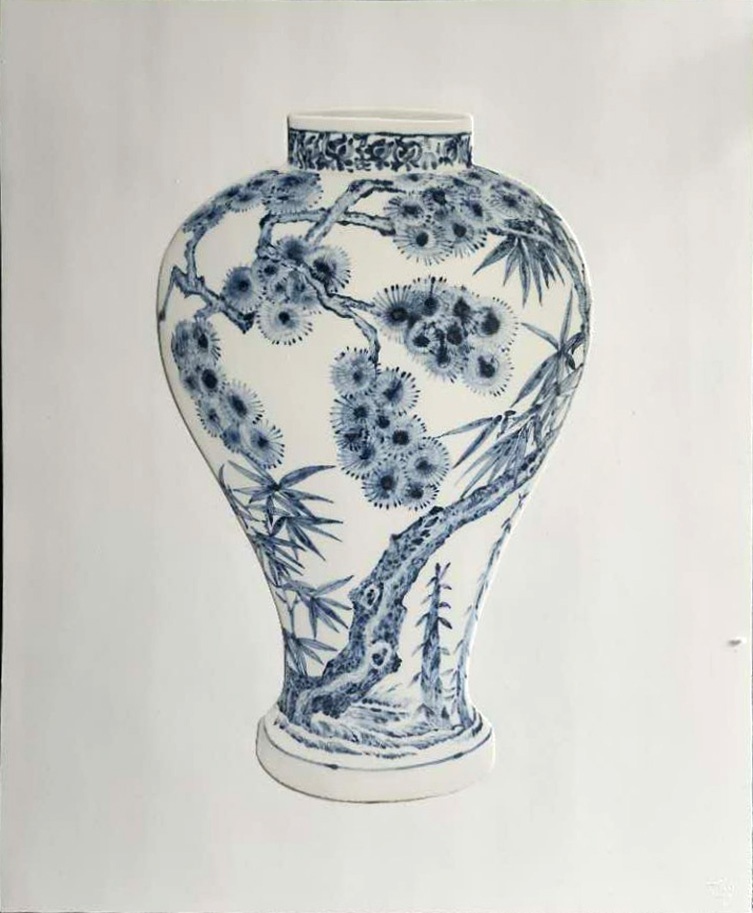
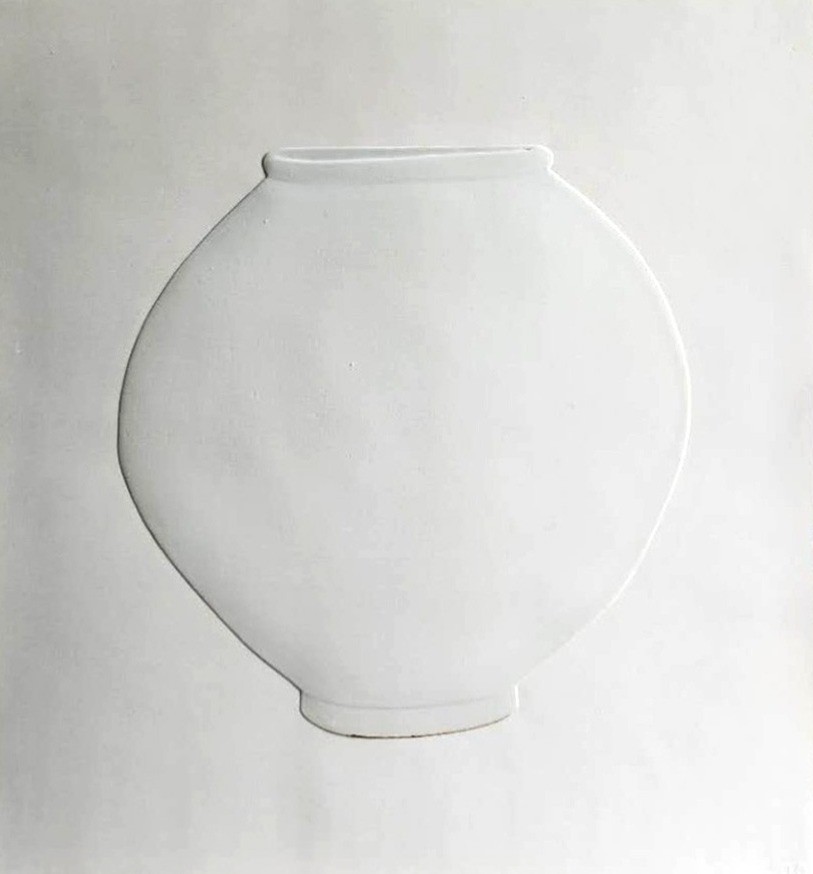
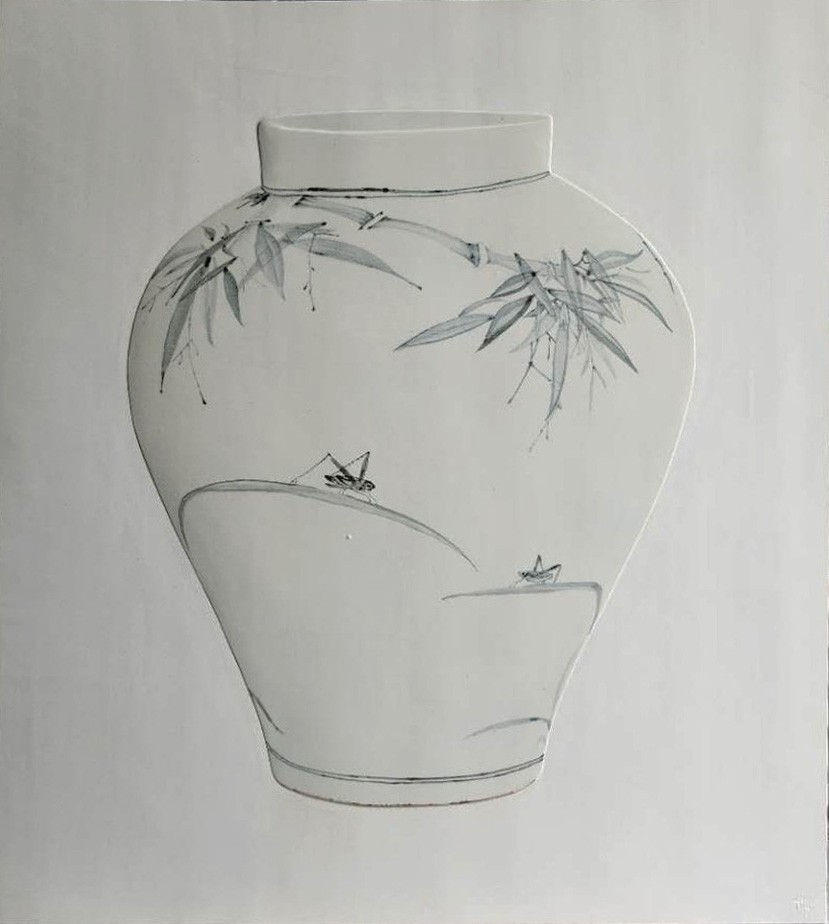
At EXPO Chicago 2026, LEE & BAE presents a booth that foregrounds the craftsmanship and material sensibility of four Korean contemporary artists. Working across glass, ceramics, pins, and hanji, each artist engages in a sustained and disciplined process through which time, labor, and material become inseparable.
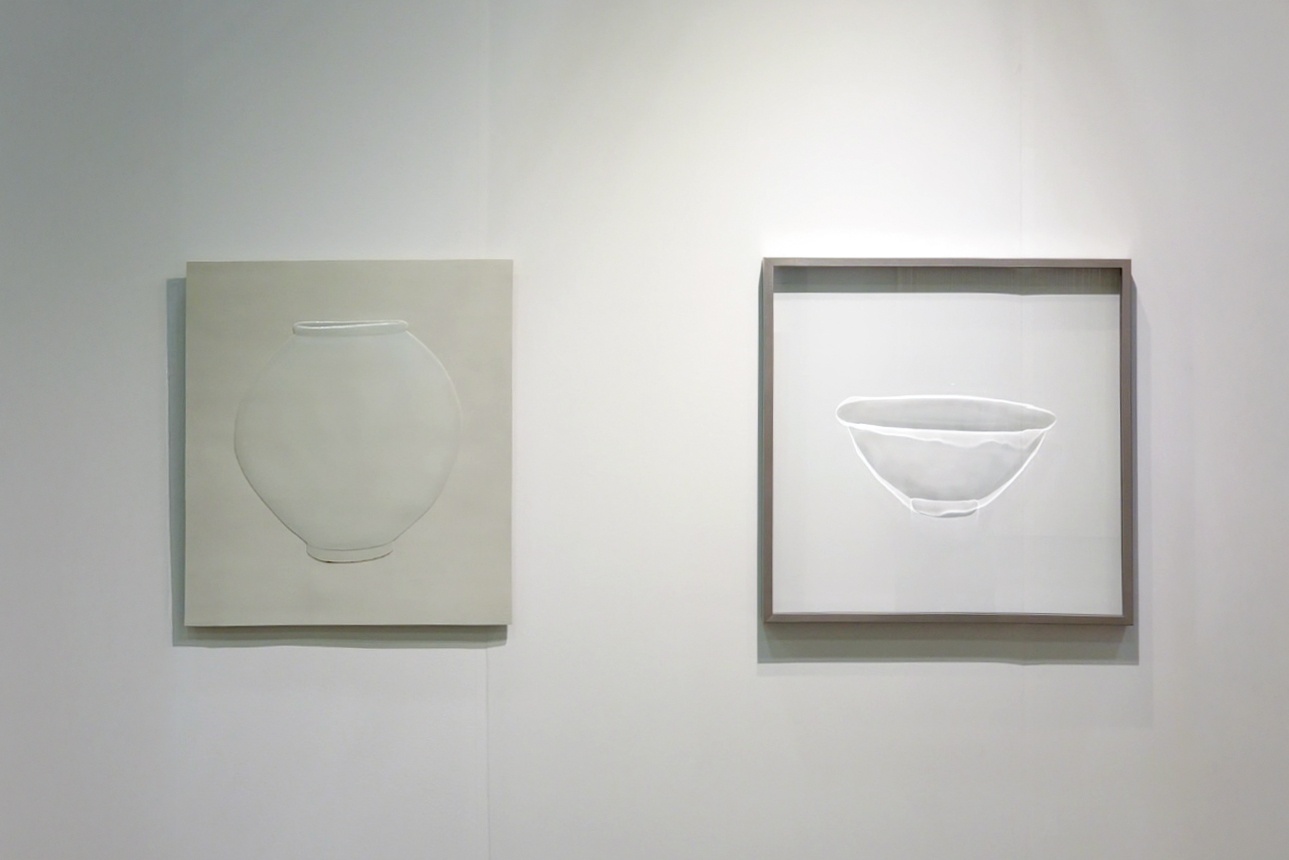
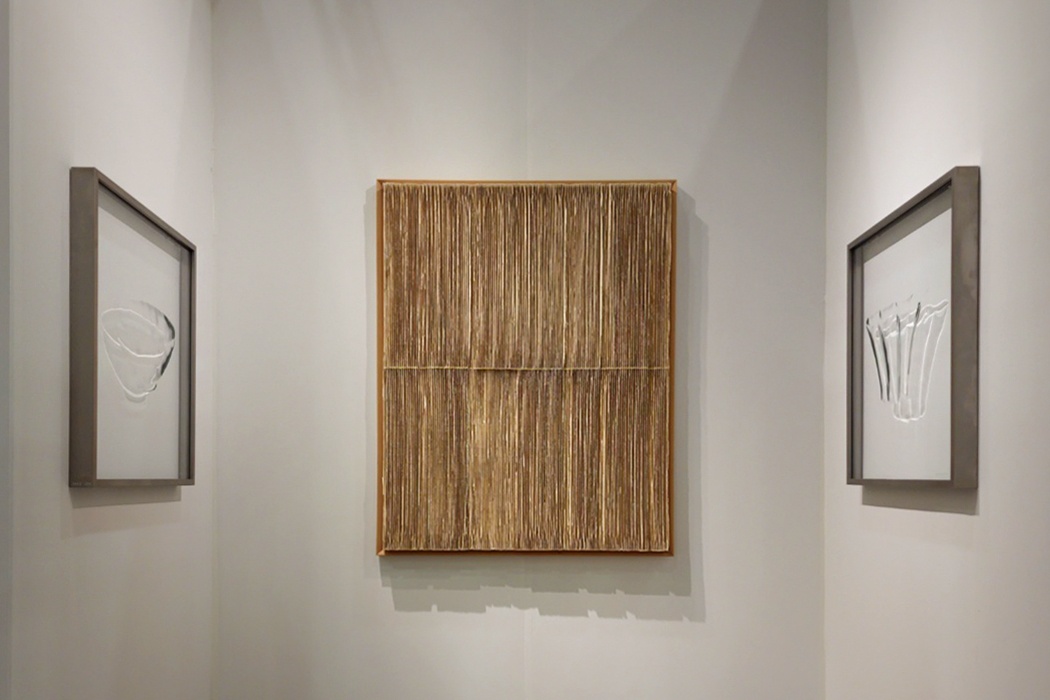
The glass paintings of Sangmin Lee, who explores the aesthetics of light and shadow in his Ceramic Series, prompt self-reflection by engaging with the patience and will accumulated over time, beyond easily perceived surface images. Experiencing this evolving flow of thought through his artistic practice offers a meaningful encounter.
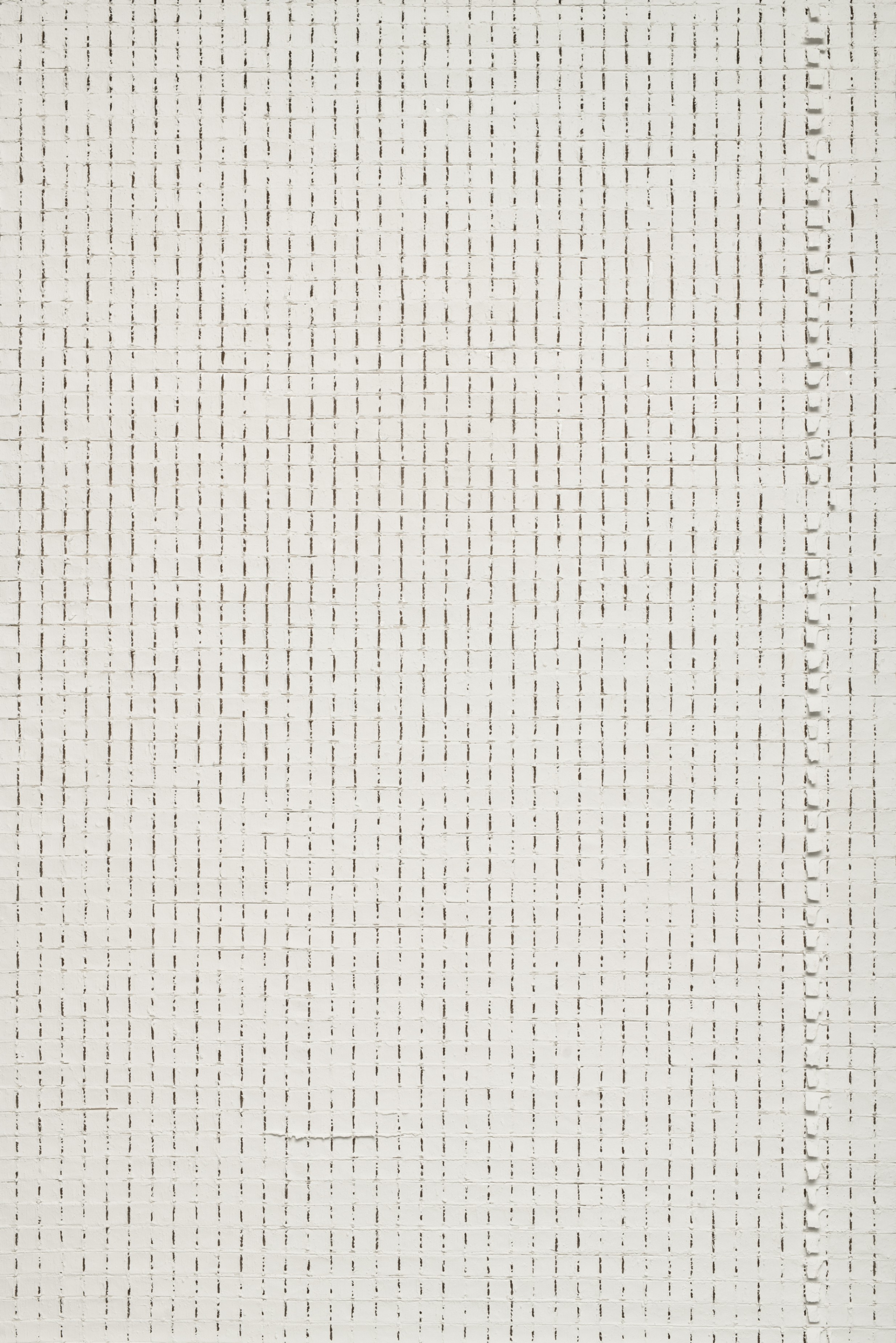
Seunghee Lee’s ceramic paintings can be understood as the culmination of decades of artistic exploration, as well as a pioneering vision that challenges conventional frameworks. Through increasingly refined repetitions and layered applications of slip, his work reaches a fundamental state in which ornamentation and narrative are absorbed into a unified form—embodying an Eastern minimalism that approaches the essence of ceramics.
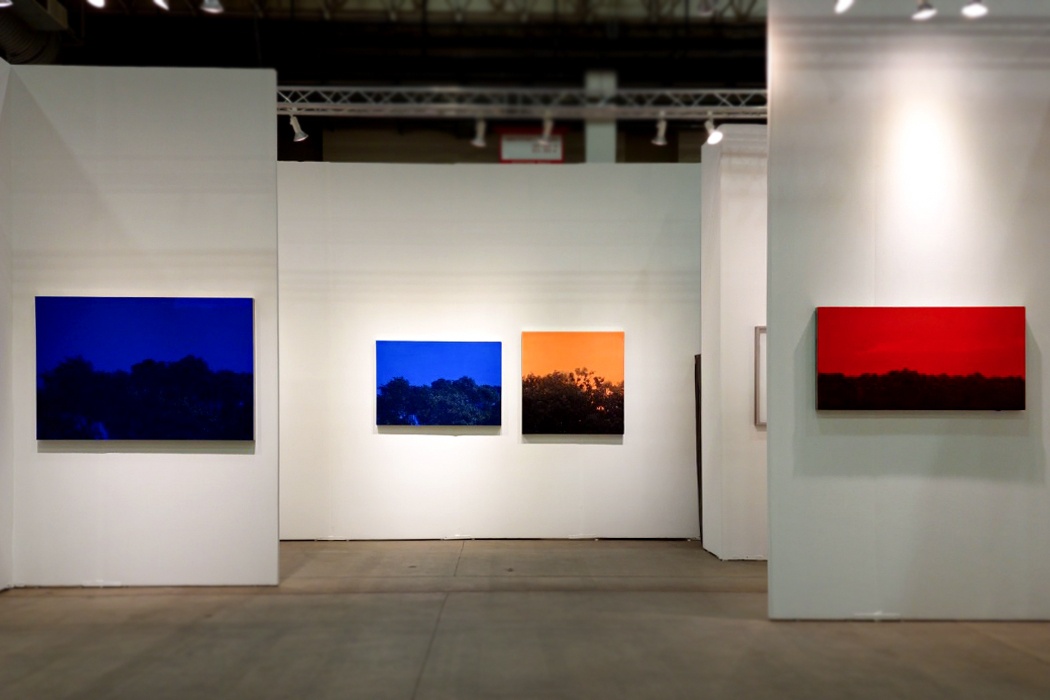
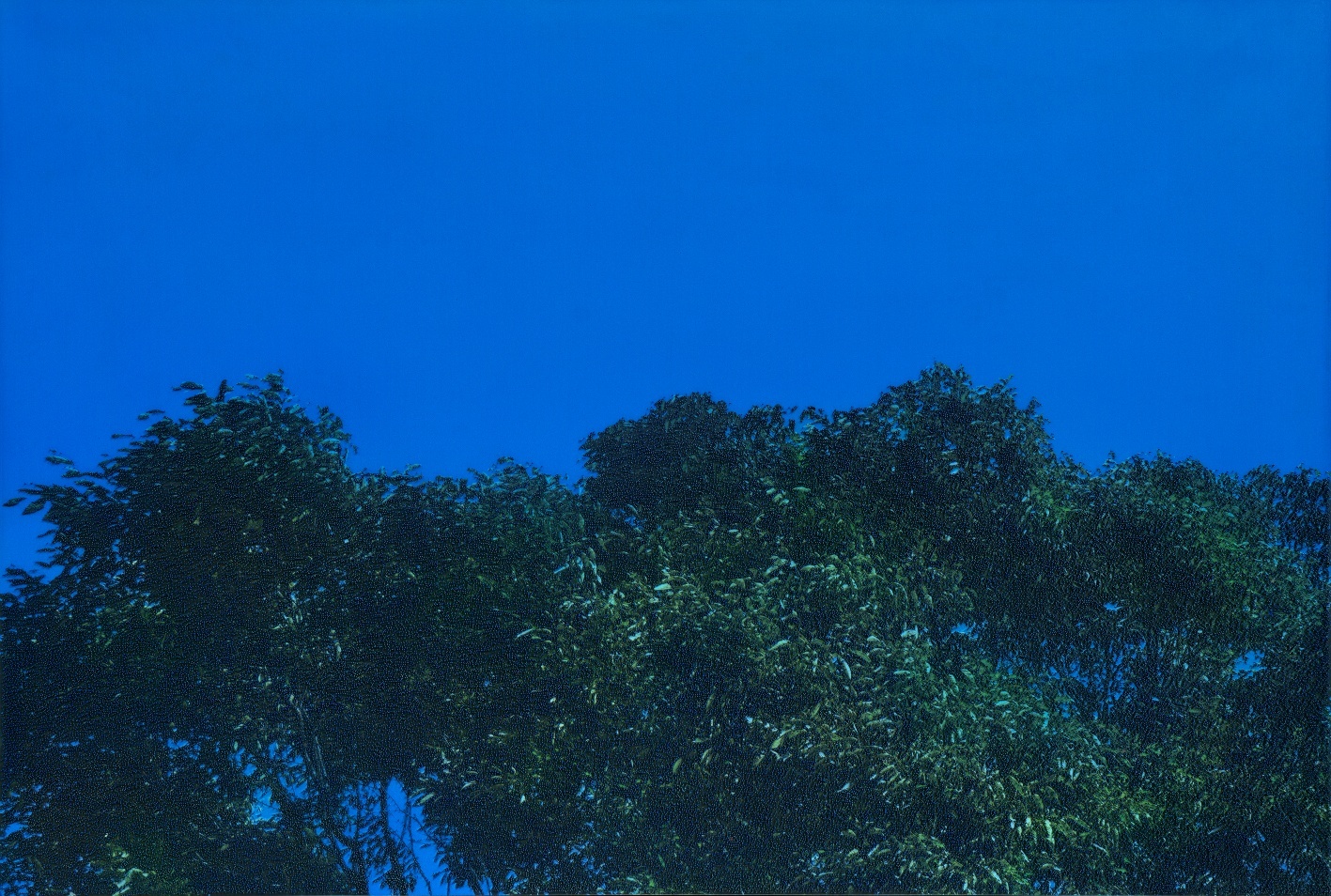
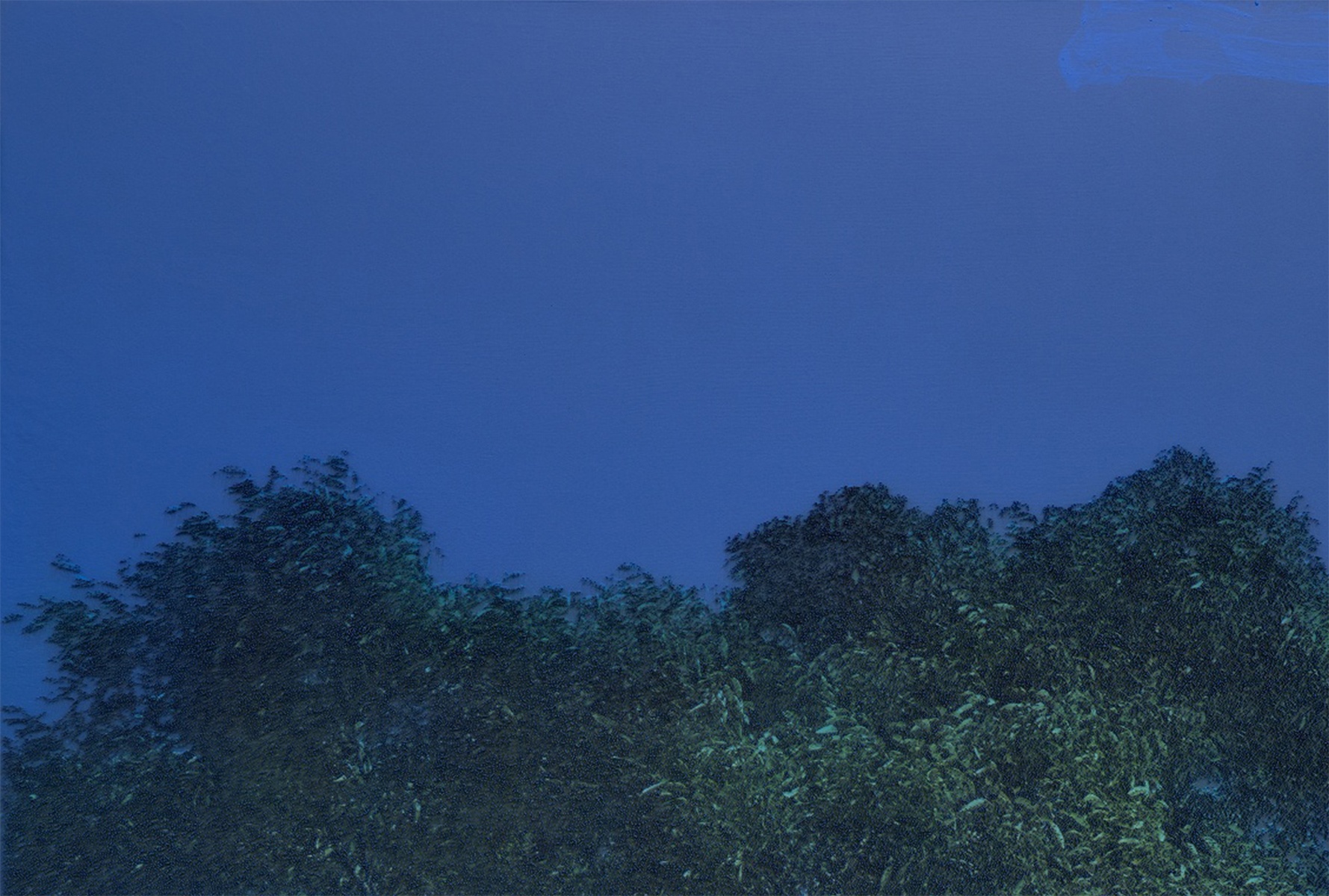
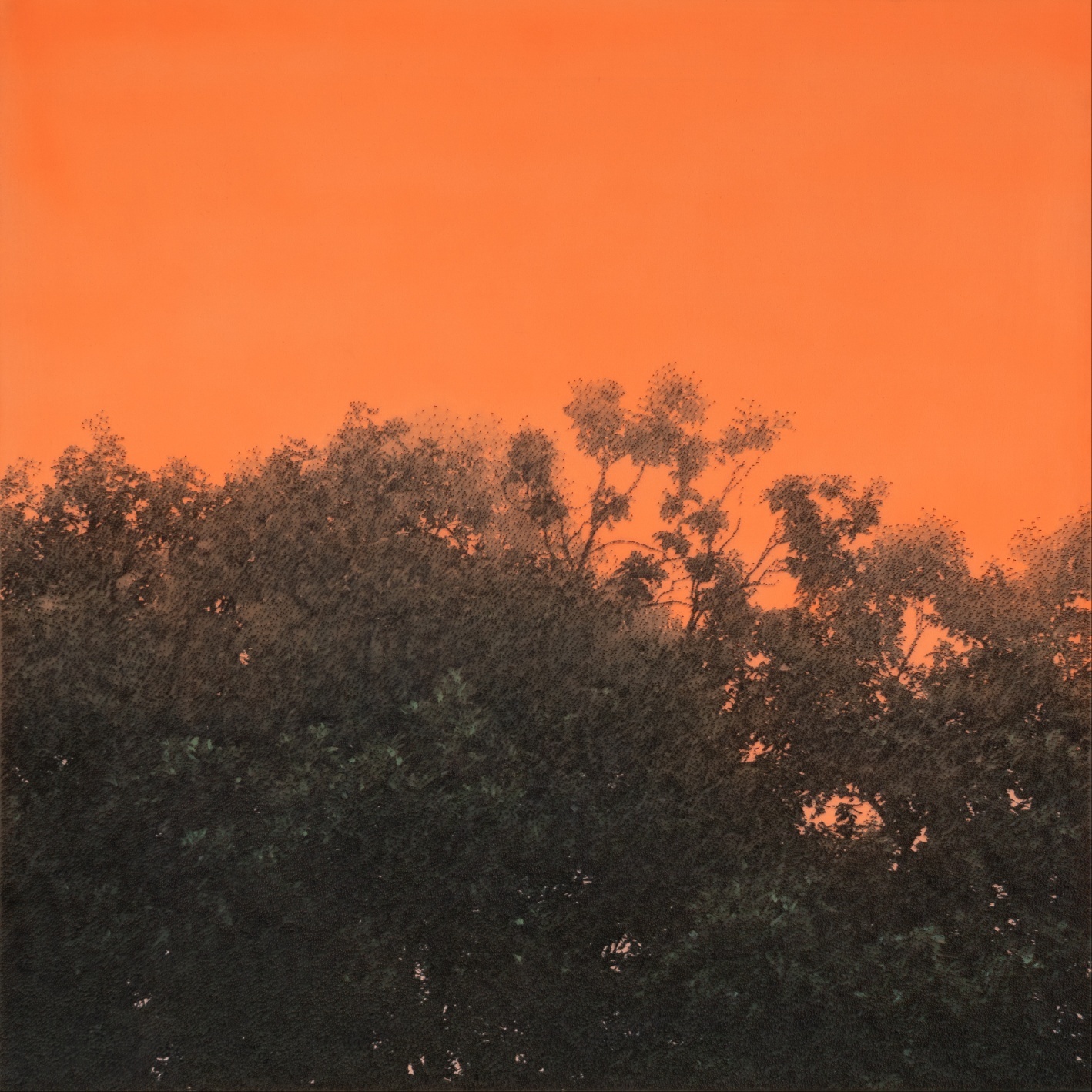
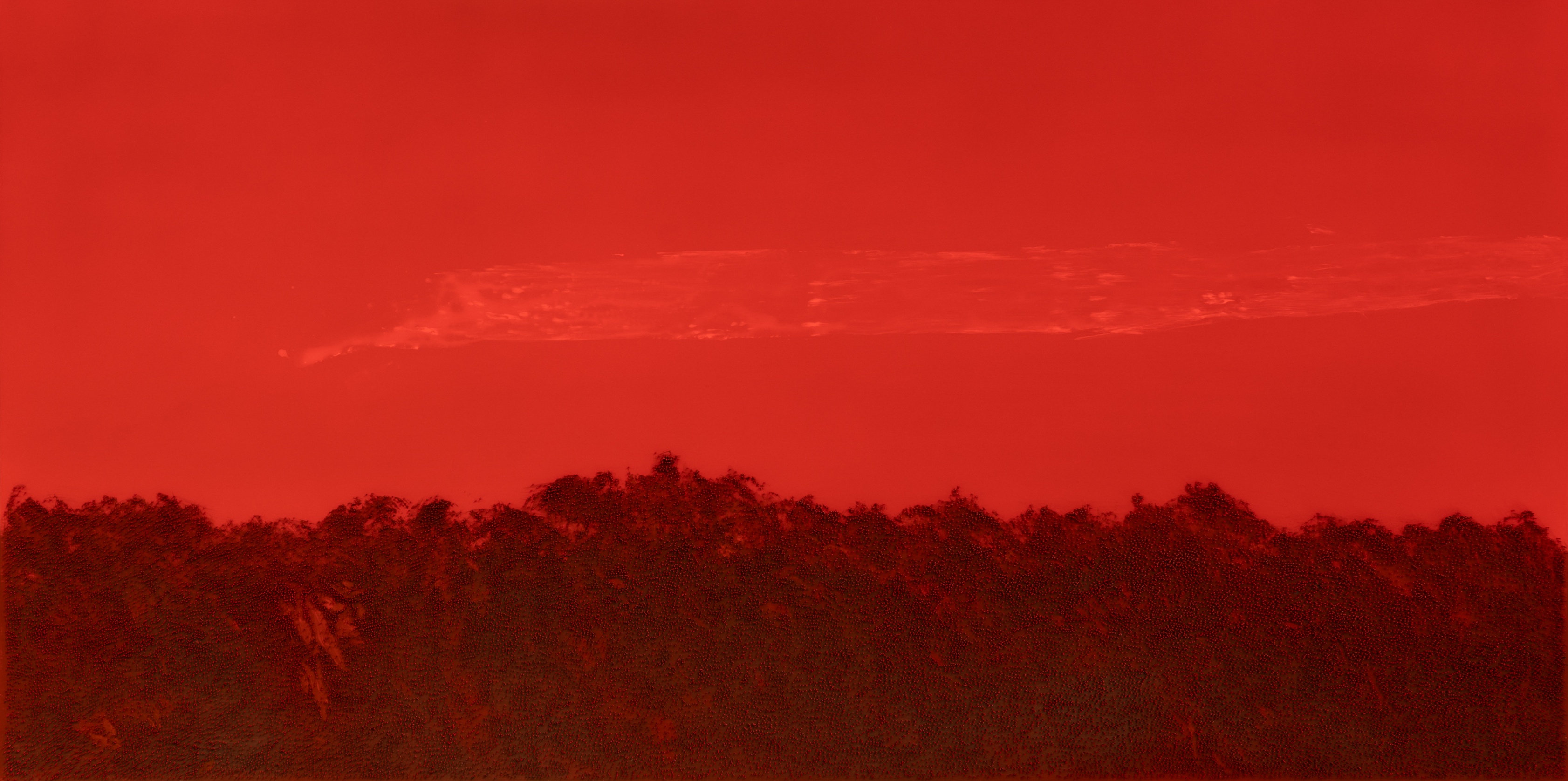
Bongsang Yoo creates dreamlike landscapes using hundreds of thousands of tiny pins. He reconstructs residual traces of perception—accumulated impressions of time—bringing them back to the surface. His work is built through slow, meditative repetition, hammering countless headless pins into panels. These pins form topographies, define direction, and create textures that interact with light and shadow. This entirely manual and physical process emphasizes not emotion or narrative, but labor itself. Each consistent strike, interval, and angle functions not merely as craft, but as a structural operation.
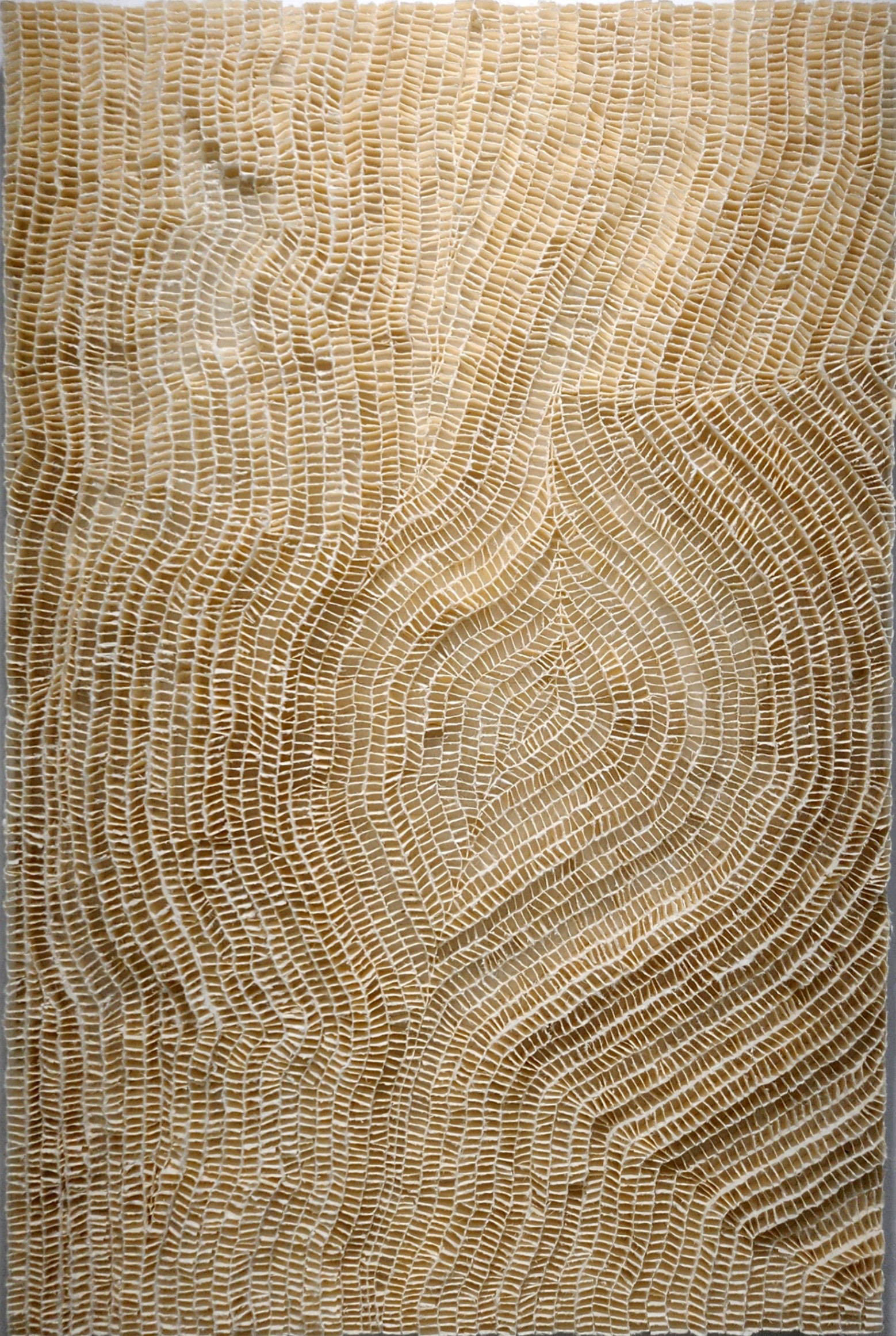
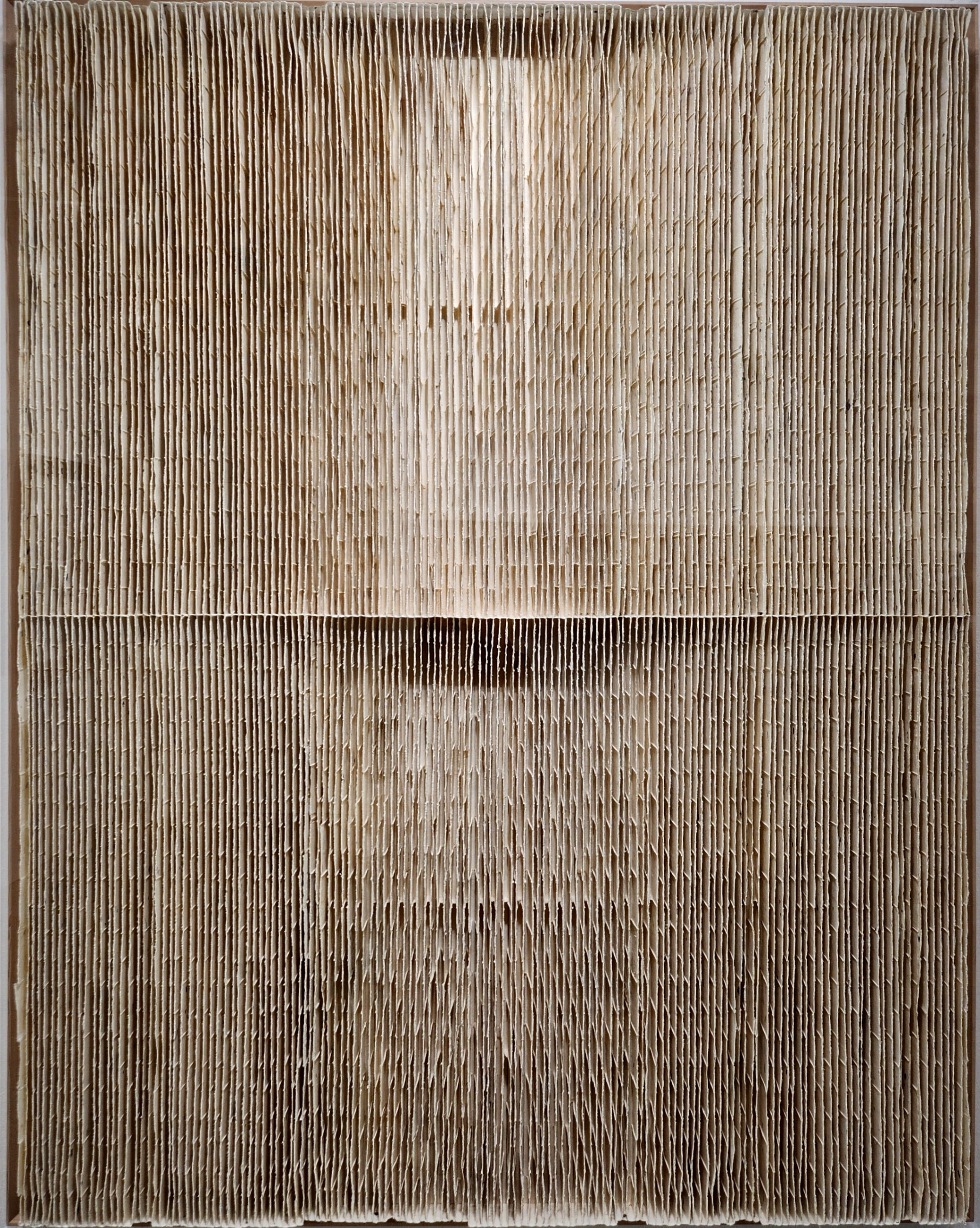
Kwangik Song works primarily with paper, especially hanji—traditional Korean paper made from the inner bark of paper mulberry trees—which embodies time shaped by sunlight, wind, and the breath of the land. Once the direction of a work is set, his consciousness and body become fully immersed in the process. His suspended compositions, structured through thread-like flows of time, subtly vibrate in the gaps between pieces of hanji. The verticality of the paper creates depth, generating shifting lines and planes.