Boree Hur
Seoul, South Korea, b. 1981
Biography
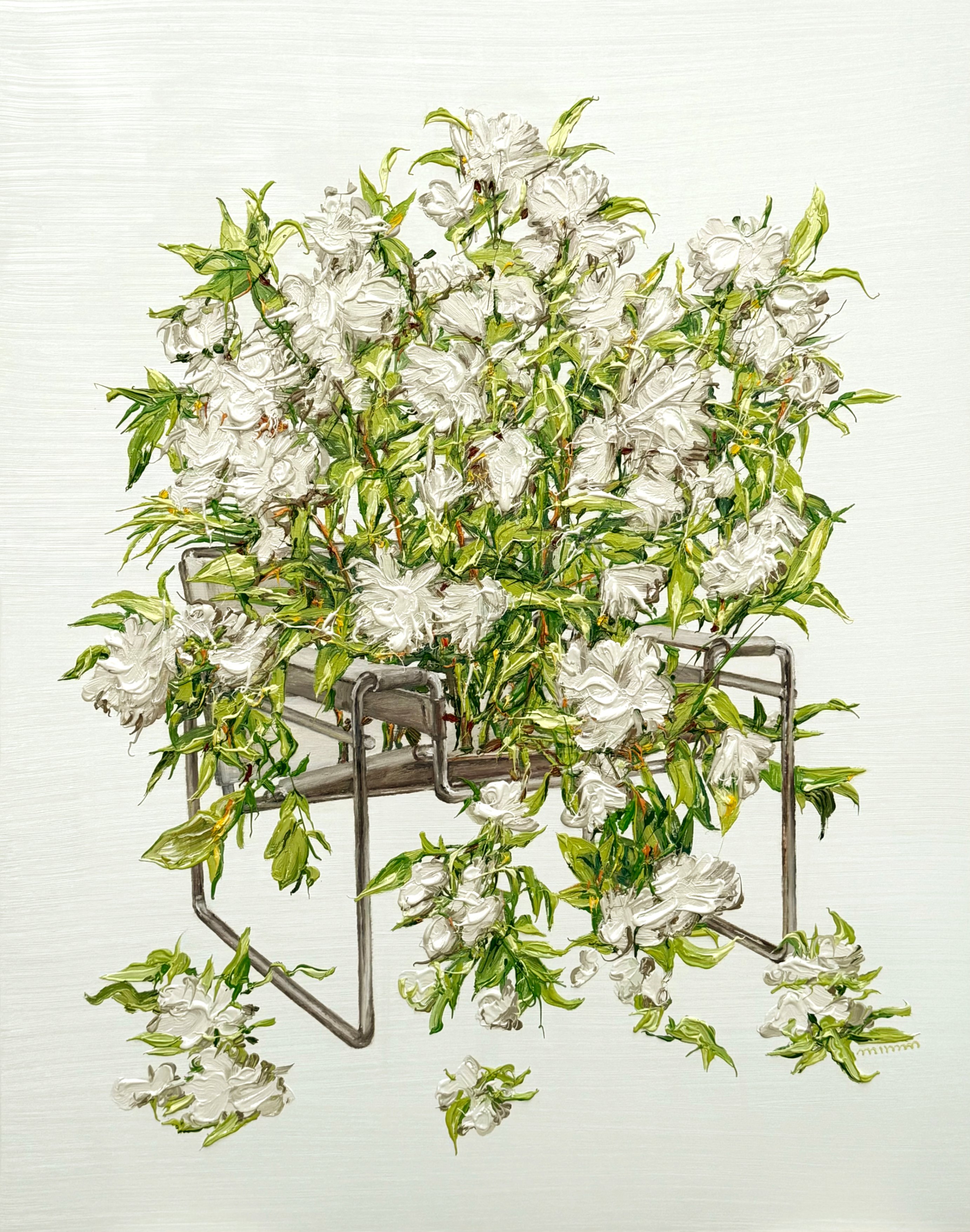
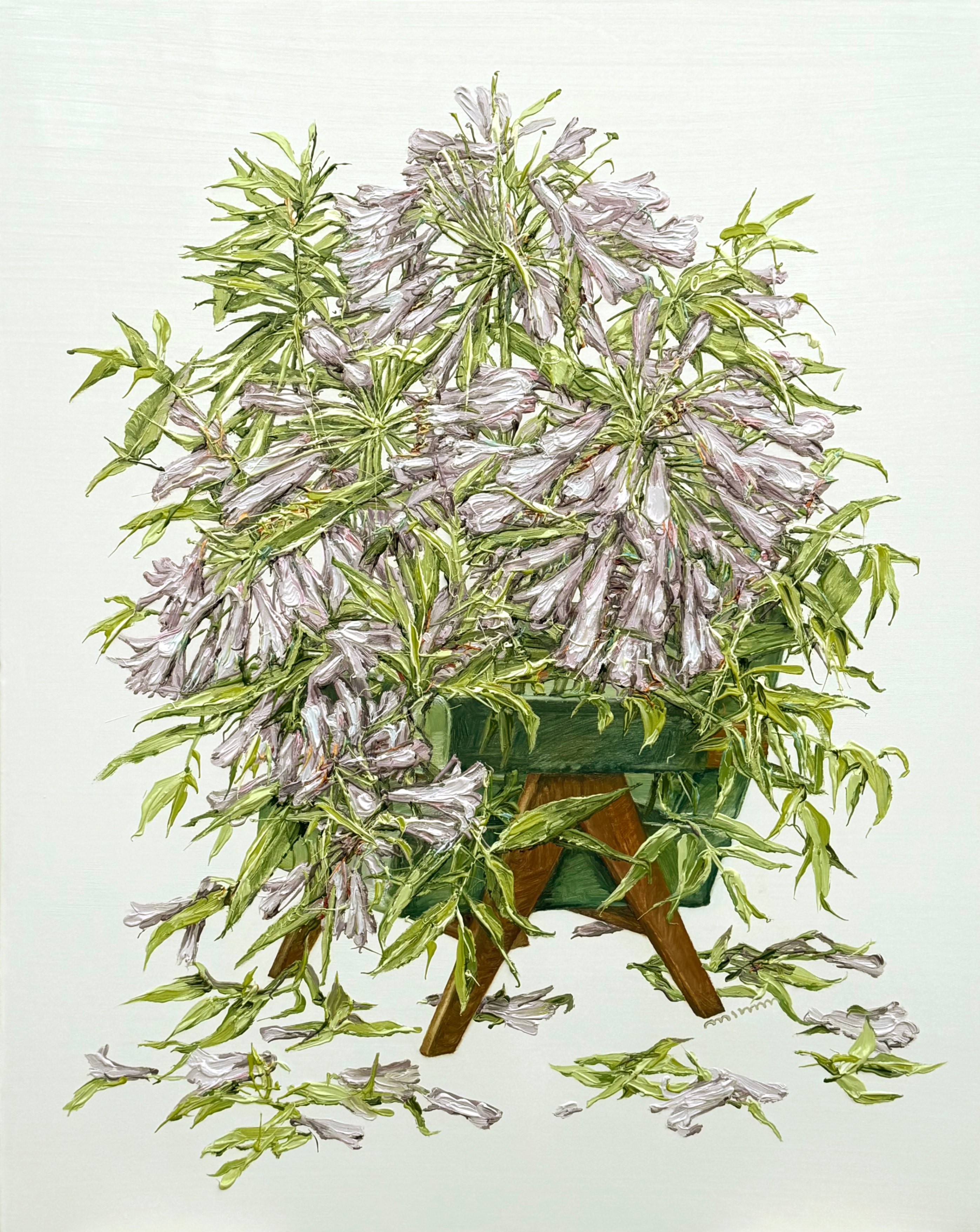
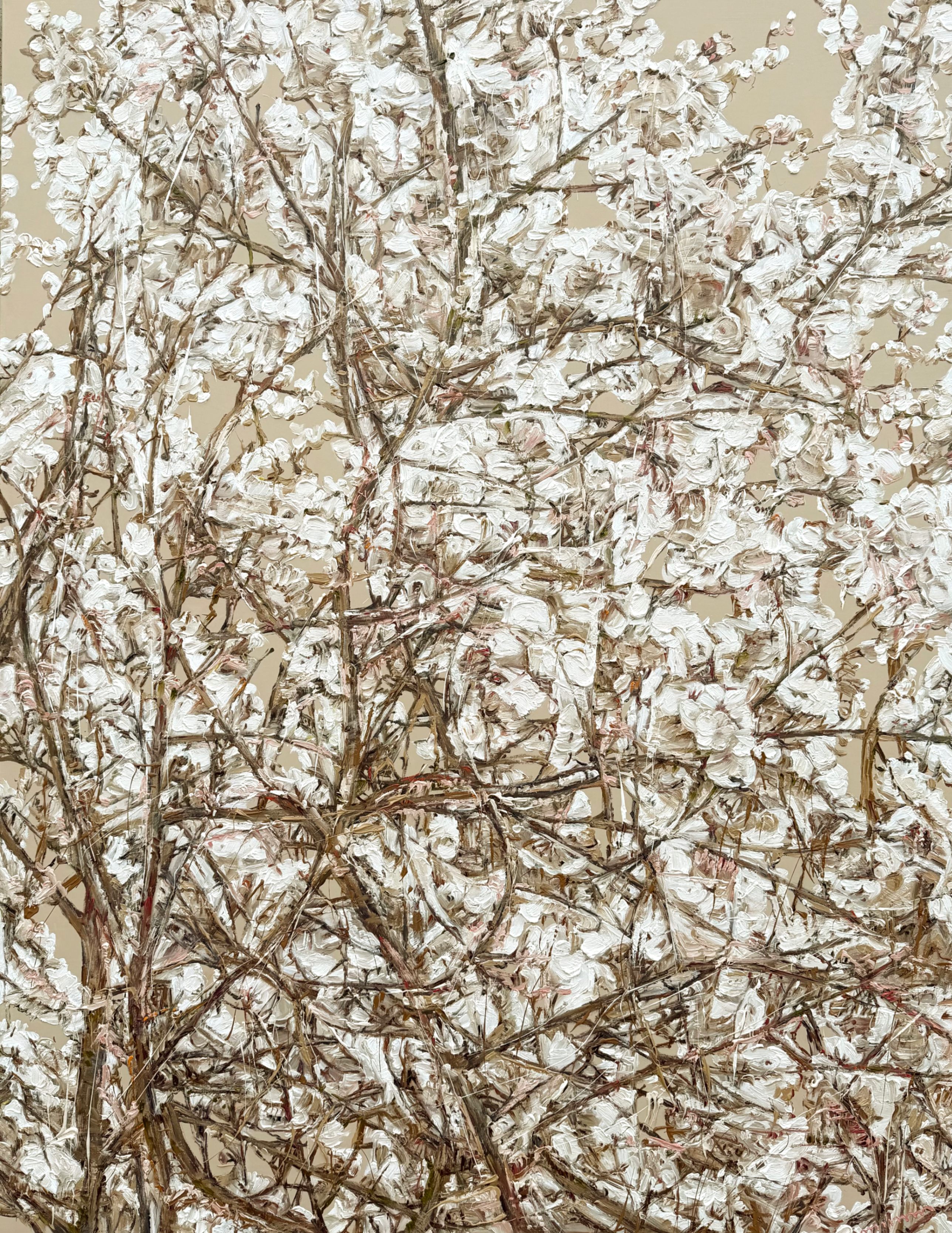
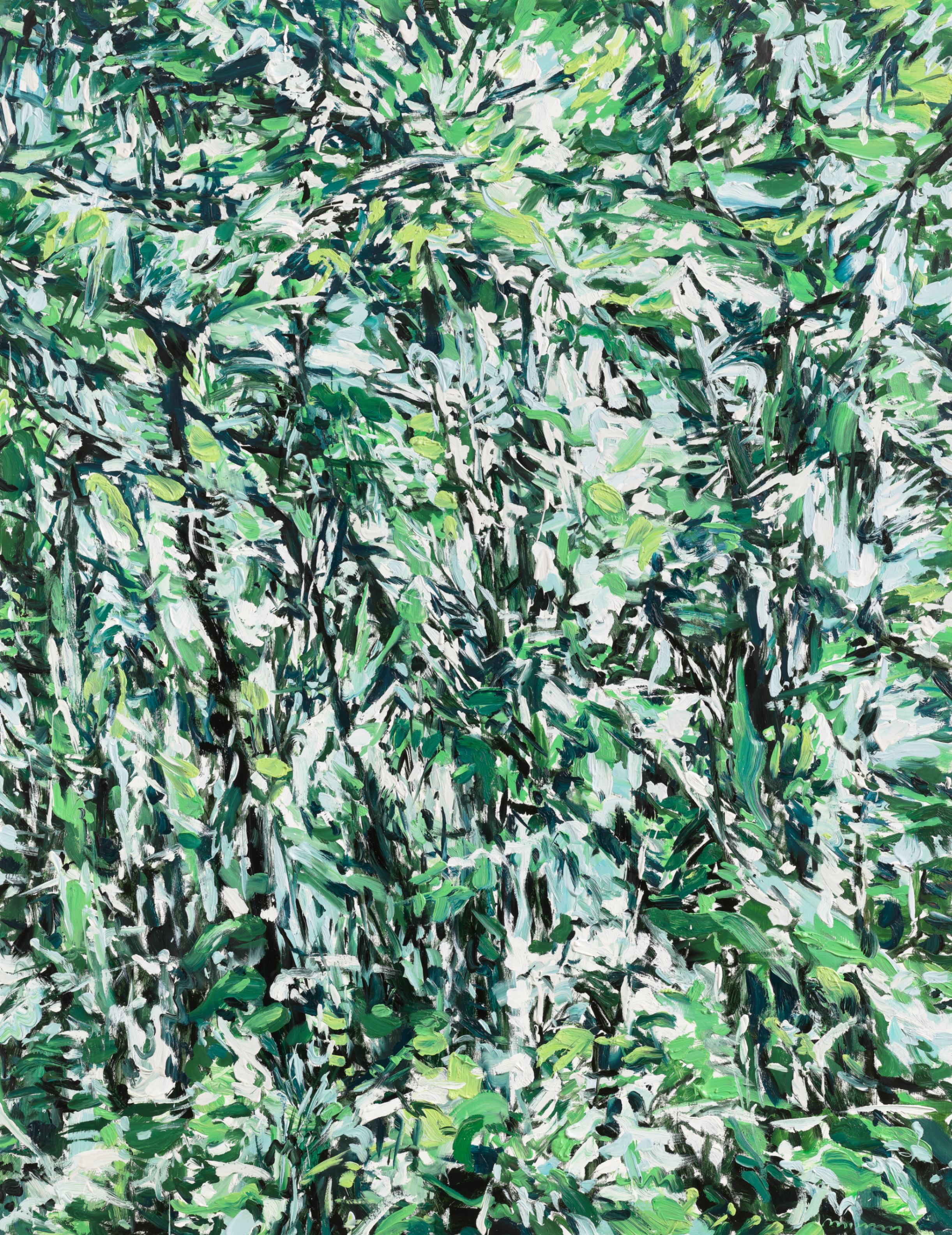
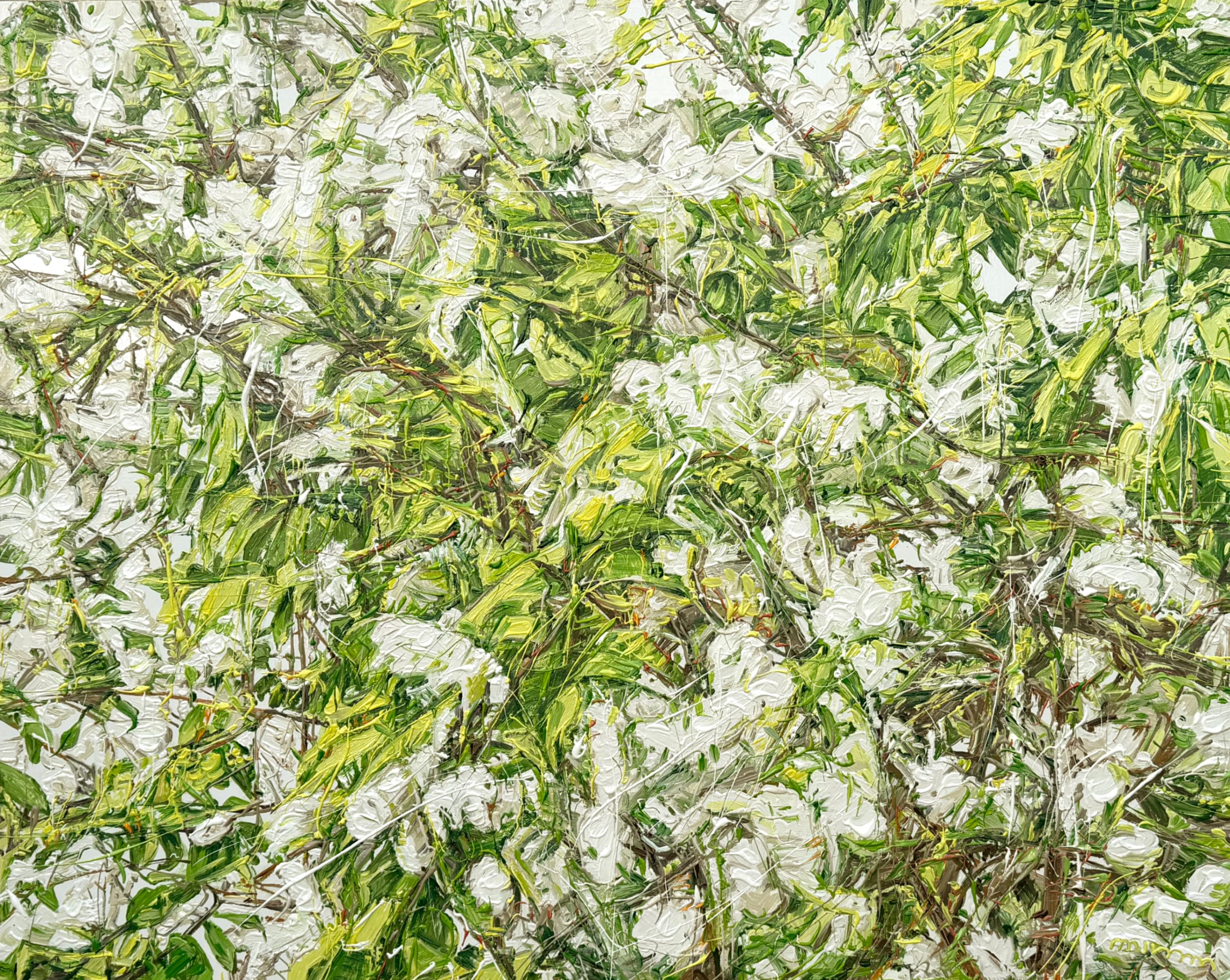
In recent years, Boree Her has focused on expanding the expressive potential of abstract painting, using flowers as her primary motif. At first glance, her works may appear to belong to the familiar genre of “flower paintings,” as they are based on real flowers such as plum blossoms, daffodils, lavender, chrysanthemums, and roses. However, they diverge sharply from figurative depictions. Rather than rendering flowers as recognizable forms, she constructs them through vigorous brushstrokes and layers of splattered, smeared, and poured paint. Viewed up close, these works scarcely resemble flowers at all, instead presenting dense, chaotic accumulations of material. This effect is further amplified by the monumental scale of her canvases, which often exceed human proportions. This approach reflects a central tension within her practice: her sustained engagement with everyday life alongside her commitment to abstract painting, a genre deeply embedded in the fine arts canon. This tension helps explain the absence of a single, fixed style in her work. Since completing her undergraduate and master’s degrees in Western Painting at Seoul National University in 2006, she has worked across sculpture, installation, performance, and drawing. Despite these shifts in form, her work has consistently remained grounded in lived experience. A representative example is Soft K9 (2017), in which she deconstructed worn men’s suits, shirts, and neckties and reassembled them into soft sculptures resembling the K9 Thunder self-propelled howitzer. The project originated from the artist’s encounter with her husband’s aged clothing, where sweat-stained fabrics bore traces of sustained labor and survival. Rather than representing these garments through painting, she transformed them into sculptural material, linking the realities of work, the body, and endurance to the imagery of warfare. Her floral paintings are likewise rooted in reality. On one level, they draw from the landscapes she encounters in Jeju, where she lives. At the same time, they function as an ongoing investigation into painting itself. The works emerge through repetitive physical labor—countless brushstrokes applied over long periods, only to dissolve into flatness. This process-oriented practice resists conventional notions of beauty, emphasizing instead painting as a rigorous and demanding inquiry. Taken together, Her practice demonstrates not merely an expansion across media, but a vertical depth grounded in the fundamental conditions of living—eating, working, enduring. Her art persistently translates lived reality into artistic form, navigating the space where life and art intersect without resolution.