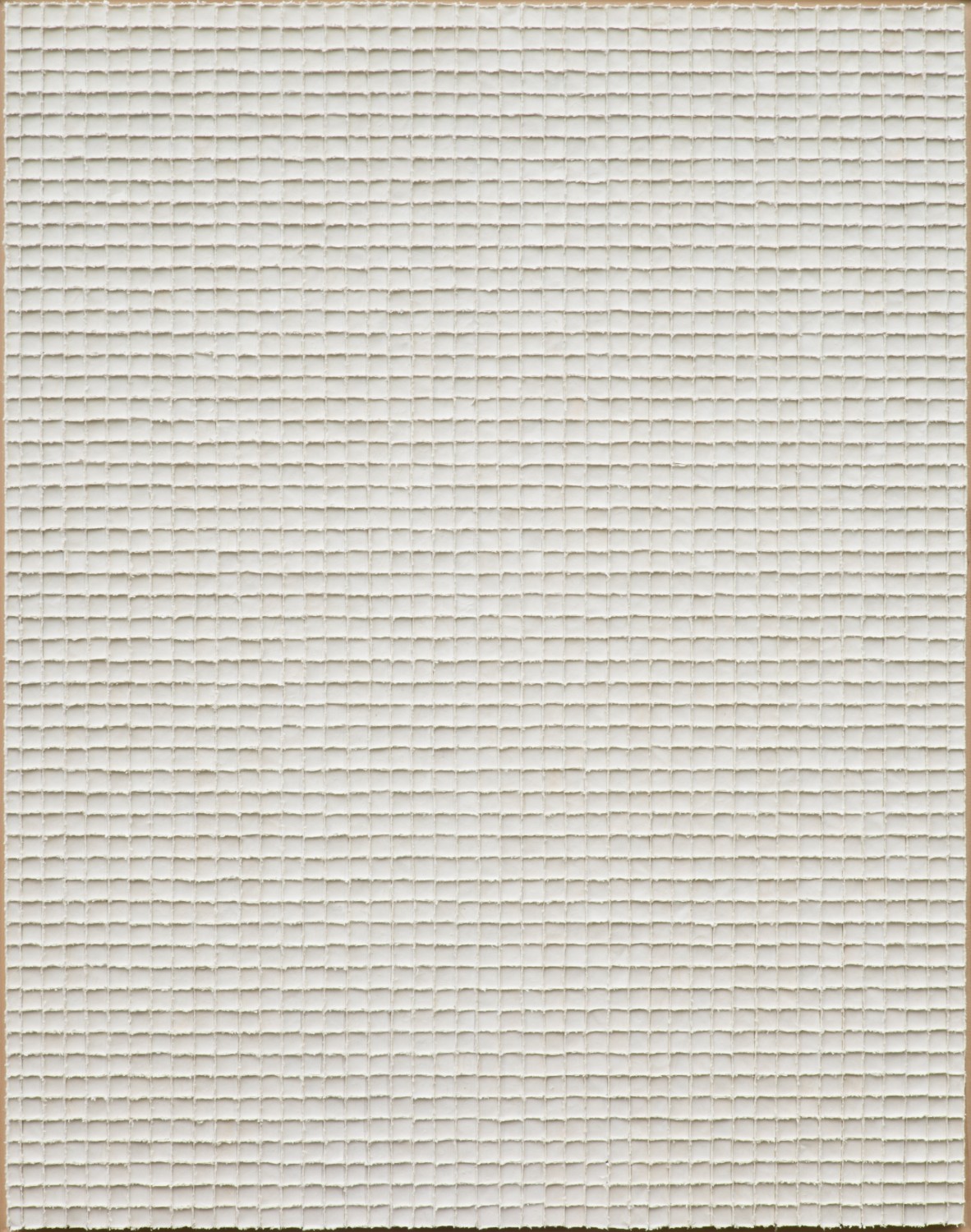
Kwangik Song
Daegu, South Korea, b. 1950
Biography
Kwangik Song uses paper as the primary medium for his work. Applying or scattering paint on paper serves merely as the point of departure for his practice. In his art, this quality stems from naturalness and historicity. Hanji—traditional Korean paper made from the inner bark of paper mulberry trees—embodies time, in which life is nurtured by the wind, sunlight, and the breath of the land. He does not cut the paper with precision. Instead, he applies paint to the reverse side to revive the serenity and plainness inherent in hanji. He does not fill empty spaces with color, even when certain areas remain less saturated due to the entangled fibers of the paper. Rather, he intuitively seeks out points where the work can settle in accordance with the intrinsic grain of hanji. For him, materials are more than mere objects. He notes that once the direction and structure of a work are established, his consciousness becomes unified with his body, and he fully immerses himself in the process. In these moments, his existence is revealed not only through his own life, but also through the world that surrounds him. His narratives are formed gradually, becoming embedded within each scene. They relate to the spaces and times in which his work encounters his body. His scenes, suspended within thread-like time, vibrate in the gaps between pieces of hanji. The depth that arises from the verticality of the erected paper generates a range of resonances. Depending on the viewer’s perspective and the spatial context, these forms shift between lines and planes.
Selected Works
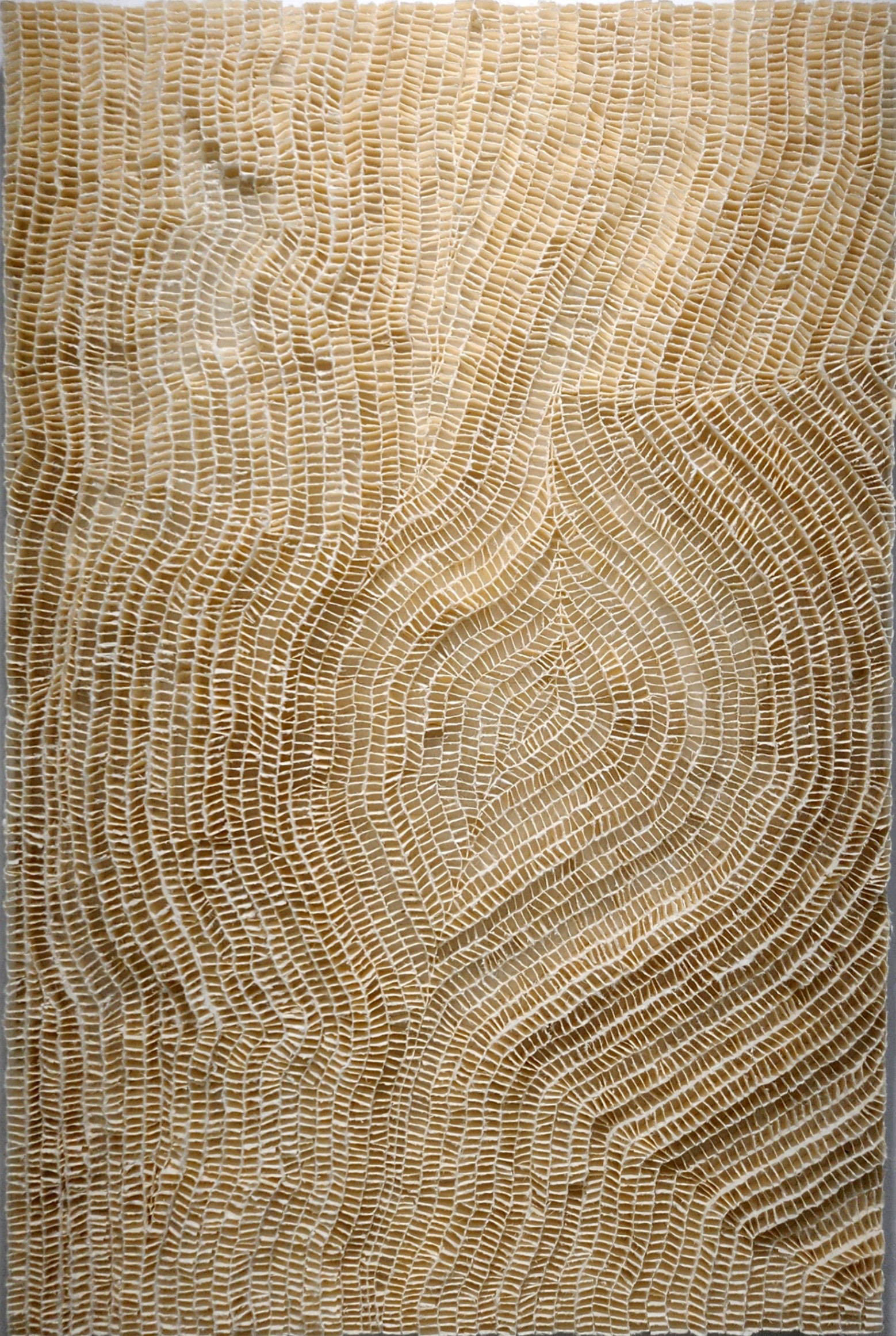
Paper things
2025 · Hanji(traditional Korean paper)
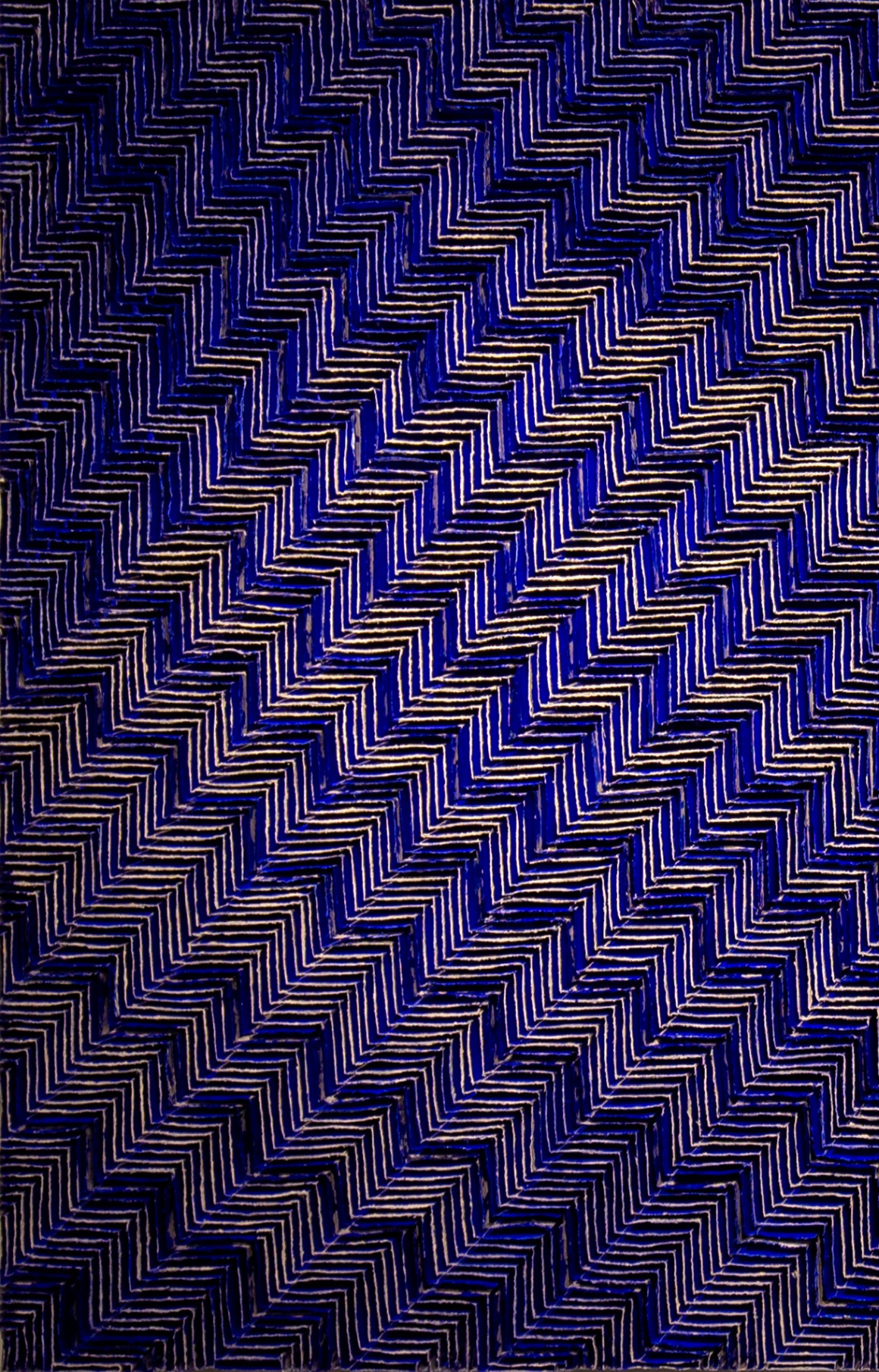
Paper things
2025 · Hanji(traditional Korean paper)
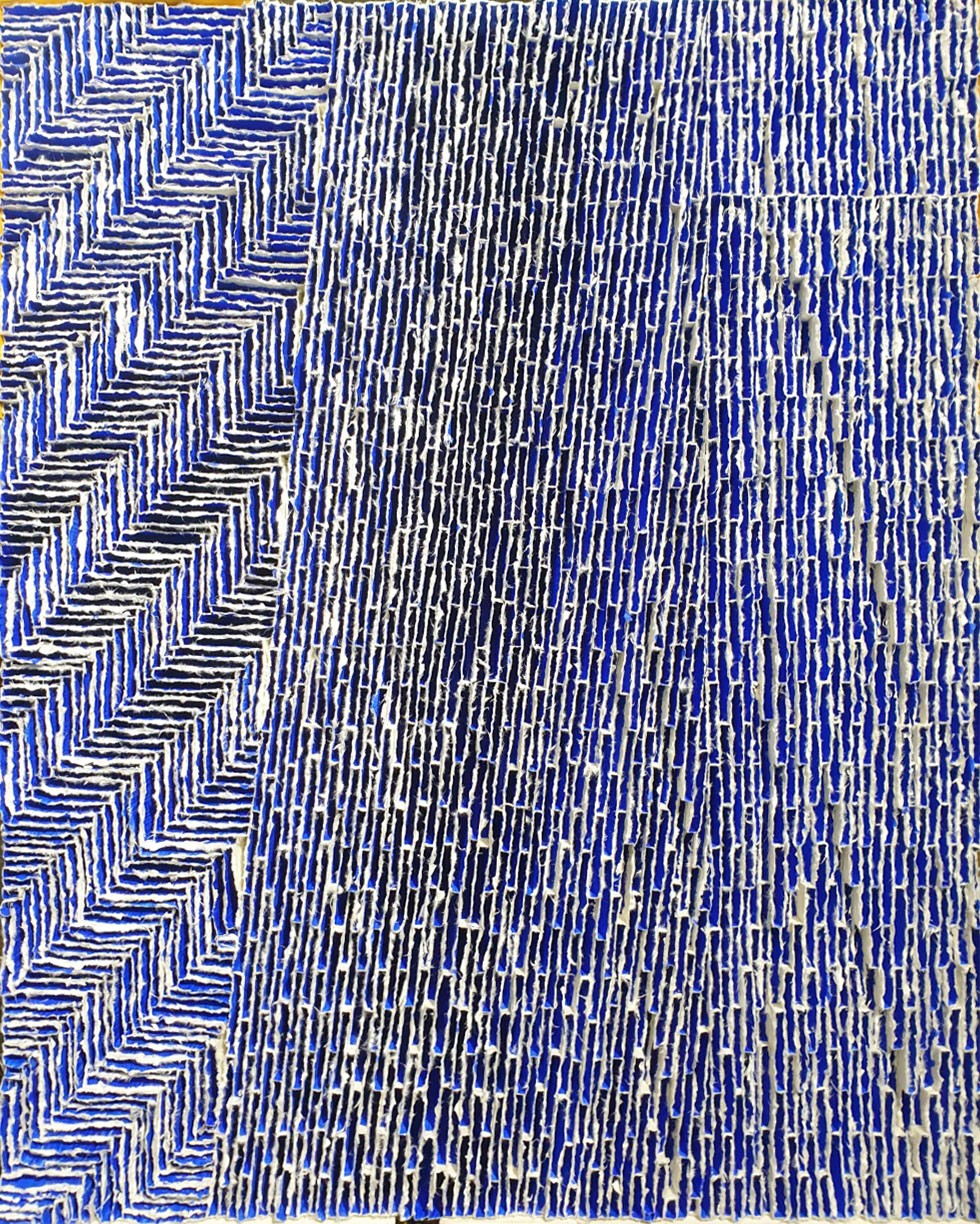
Paper things
2025 · Hanji(traditional Korean paper)
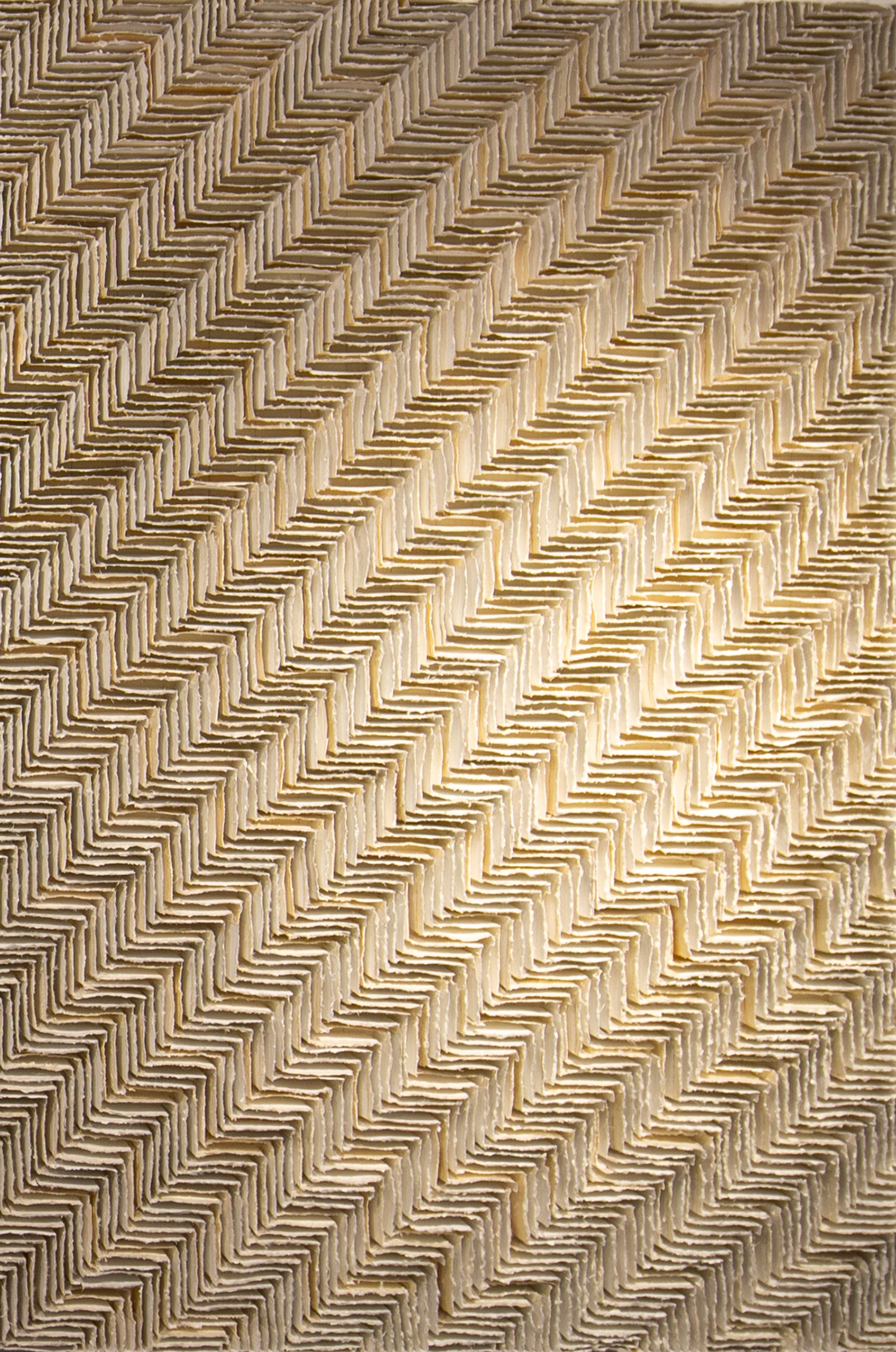
Paper things
2025 · Hanji(traditional Korean paper)
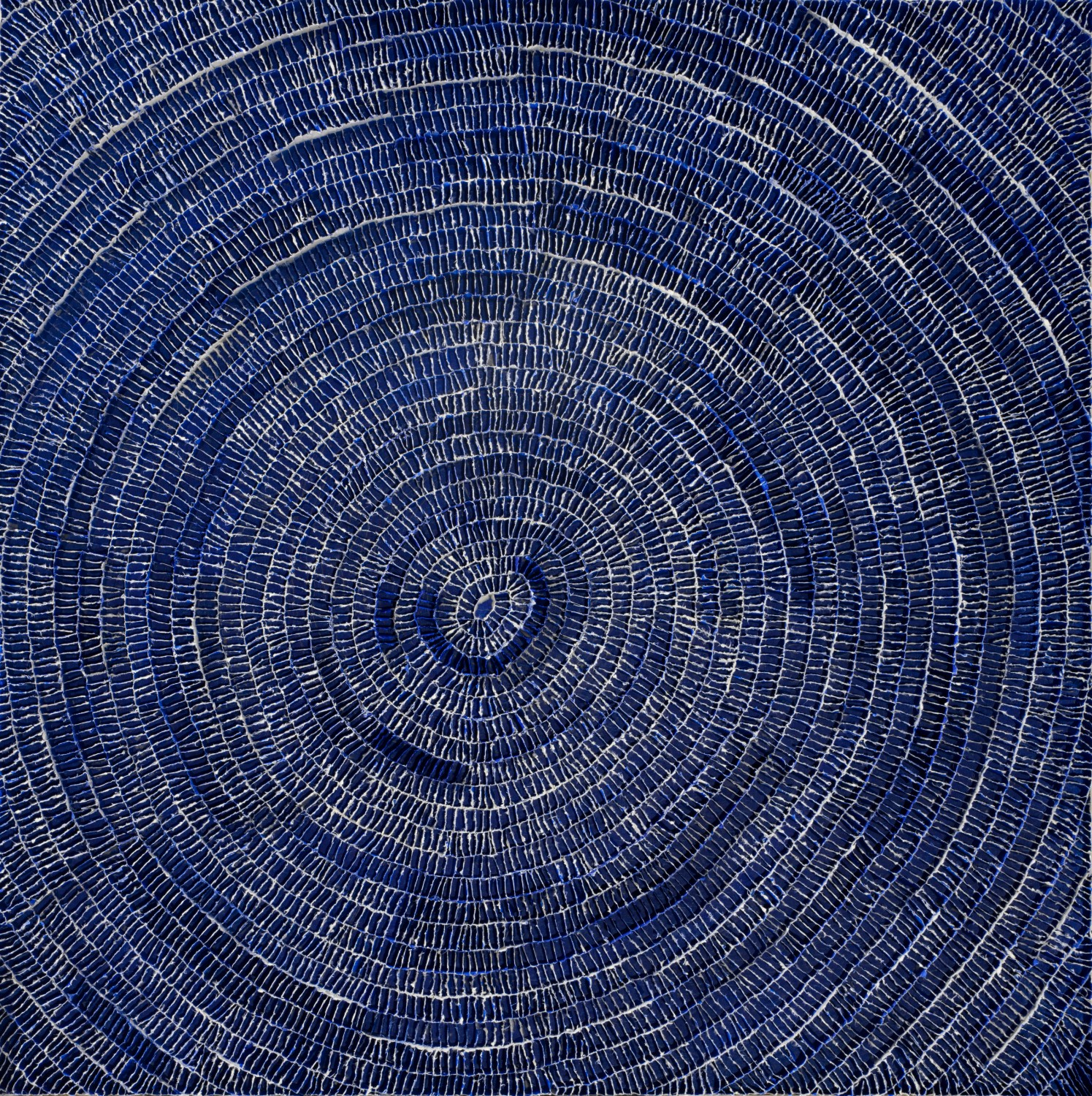
Paper things
2025 · Hanji(traditional Korean paper)
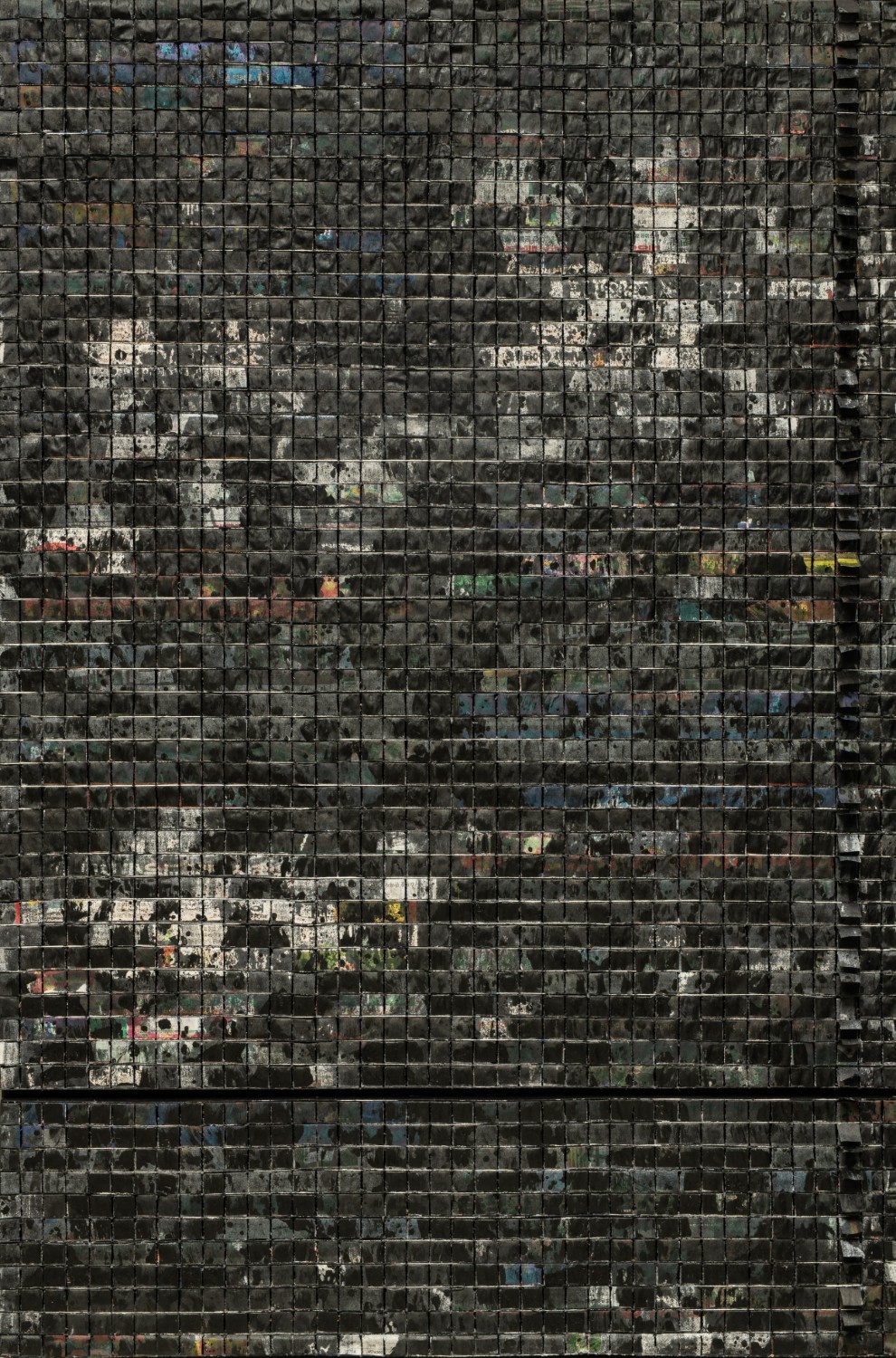
Paper things
2025 · Hanji(traditional Korean paper)
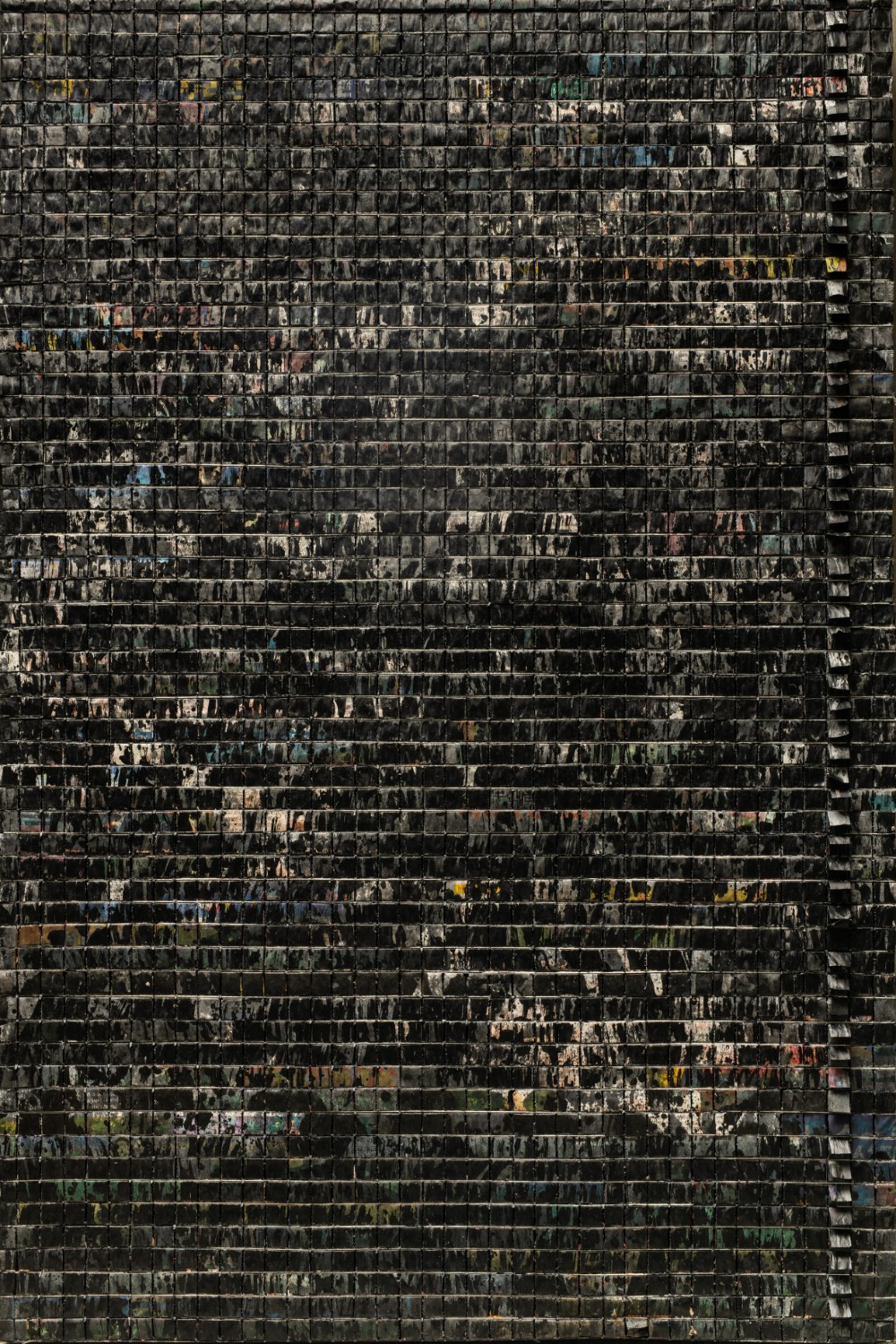
Paper things
2025 · Newspaper, ink
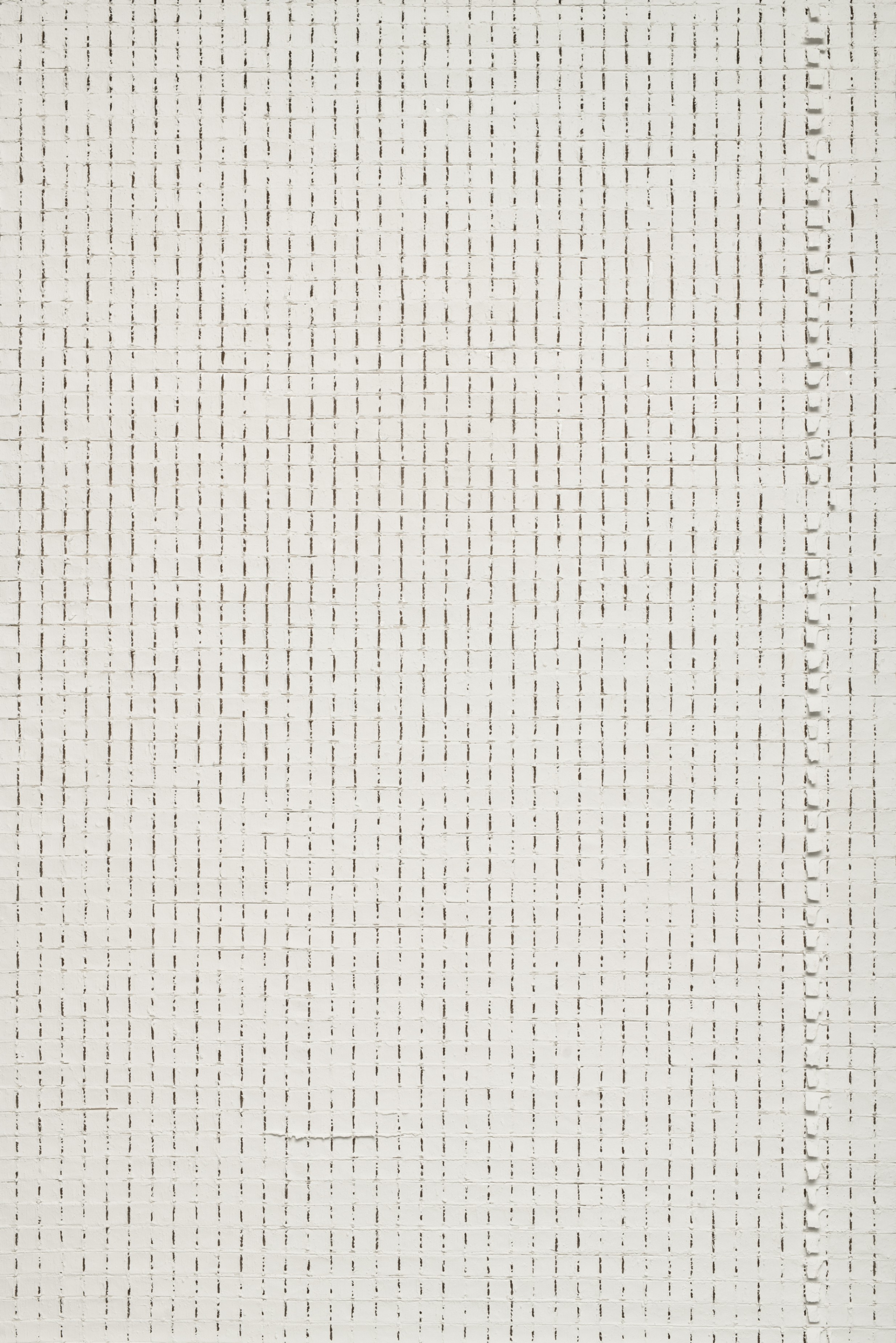
Paper Things
2025 · Hanji(traditional Korean paper)
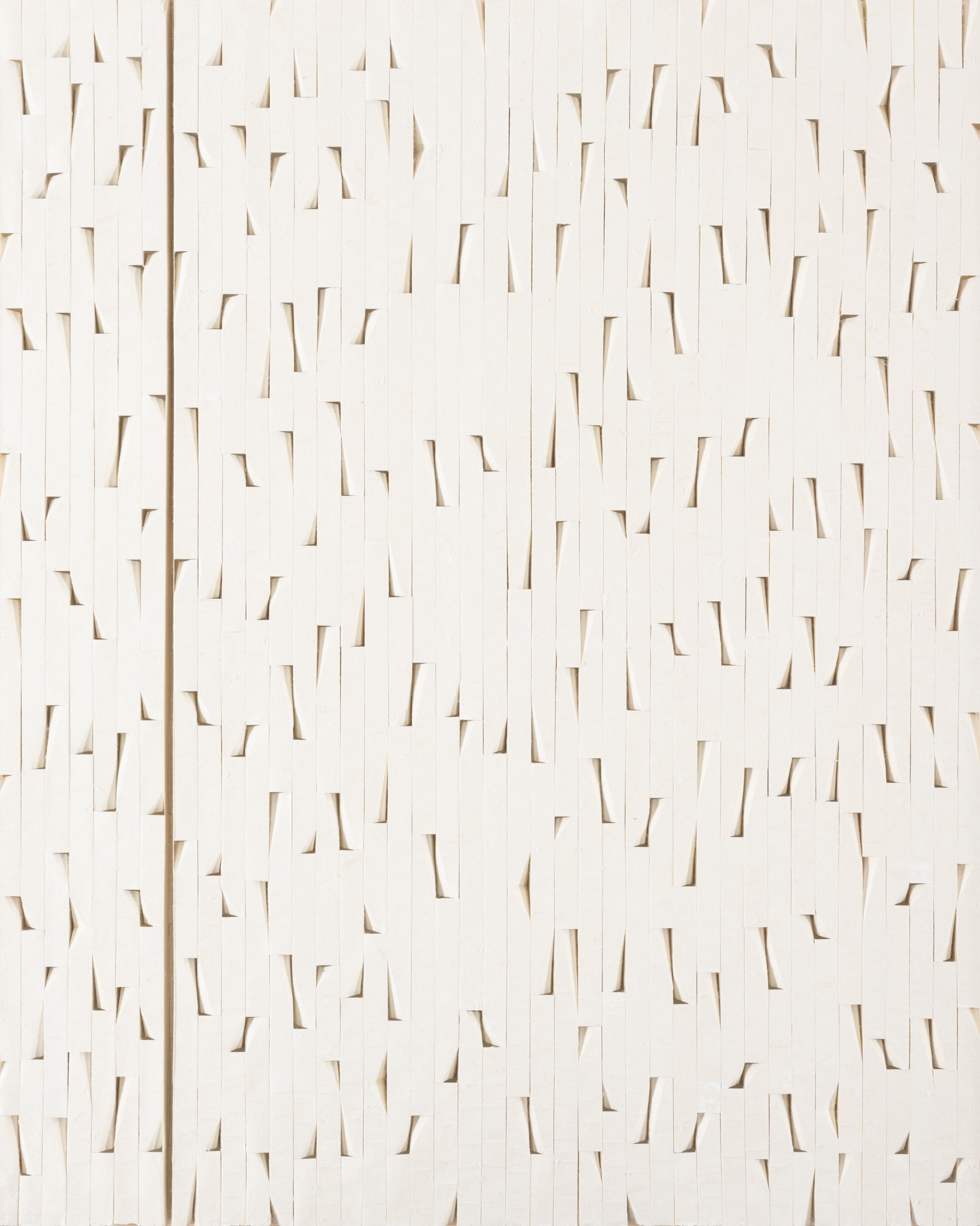
Paper things
2023 · Hanji(traditional Korean paper)
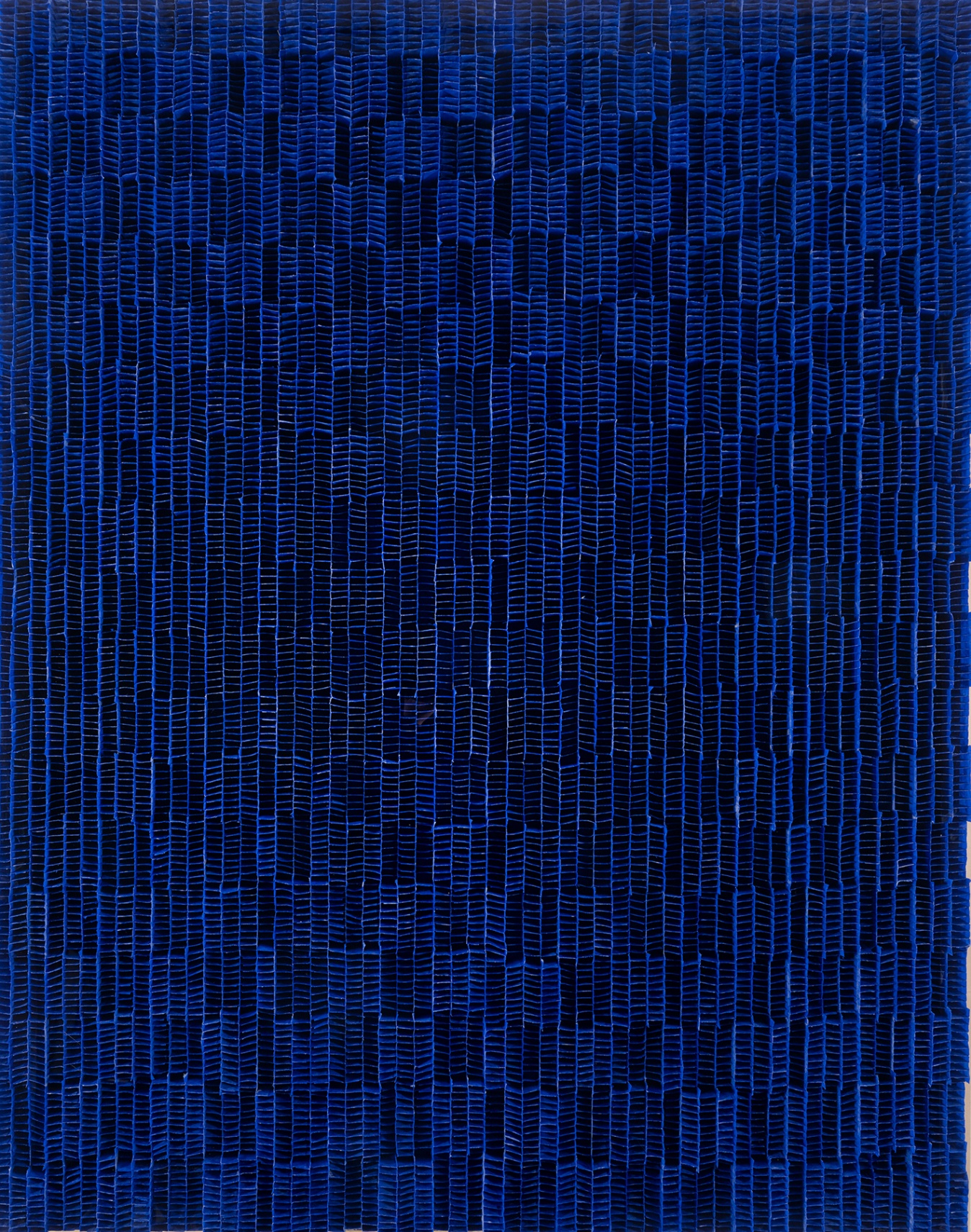
Paper things
2022 · Hanji(traditional Korean paper)
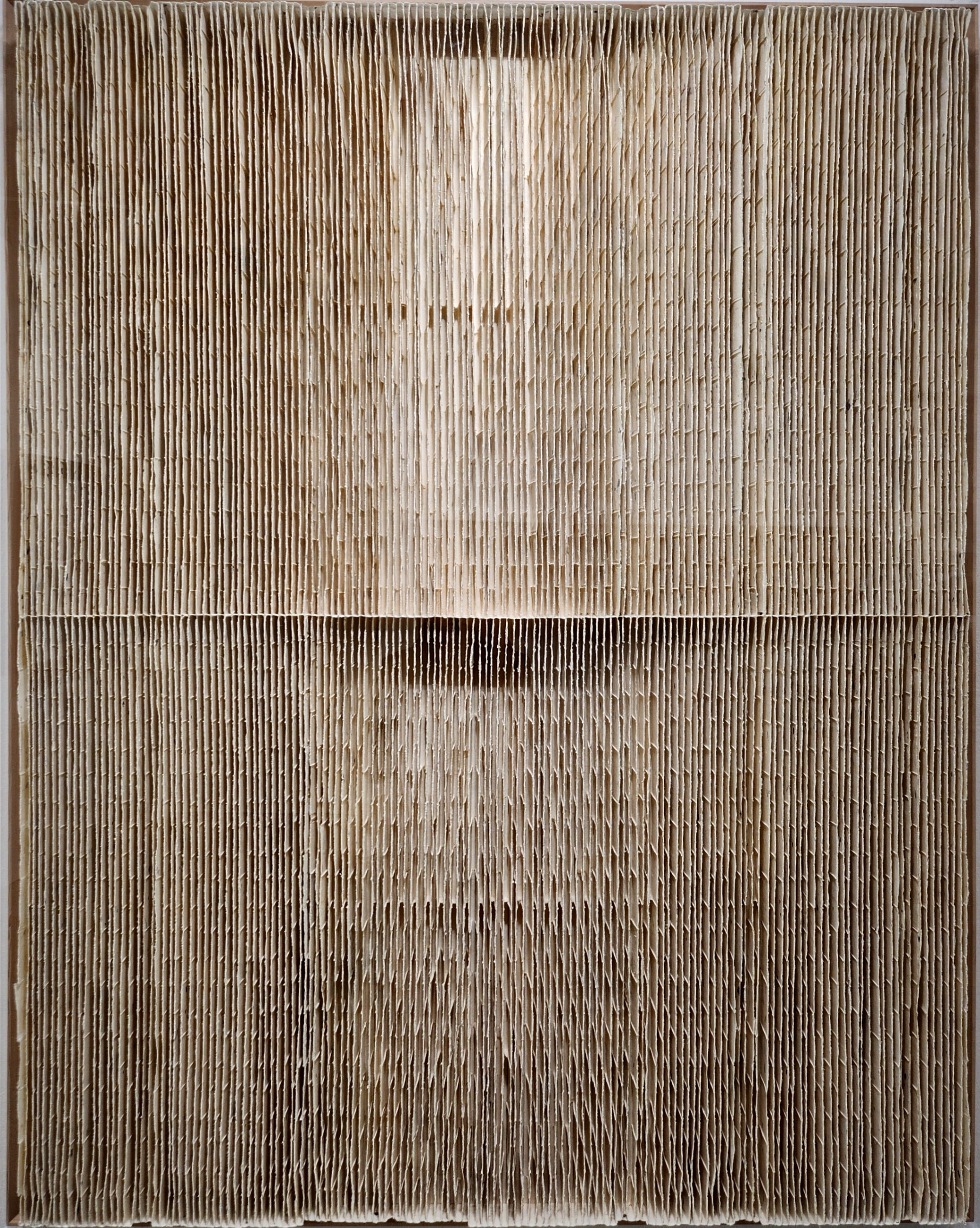
Paper things
2021 · Hanji(traditional Korean paper)
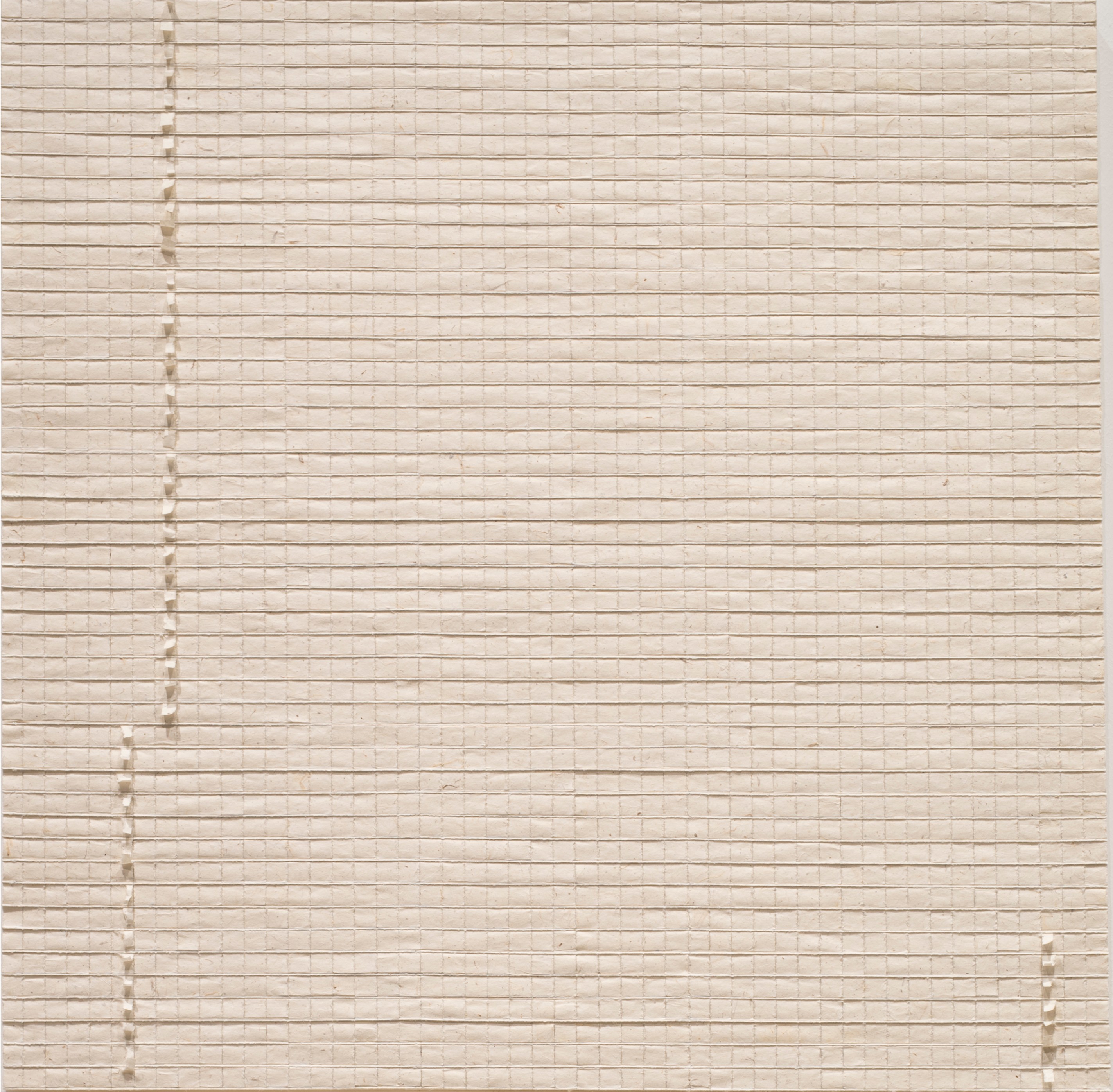
Paper things
2021 · Hanji(traditional Korean paper)
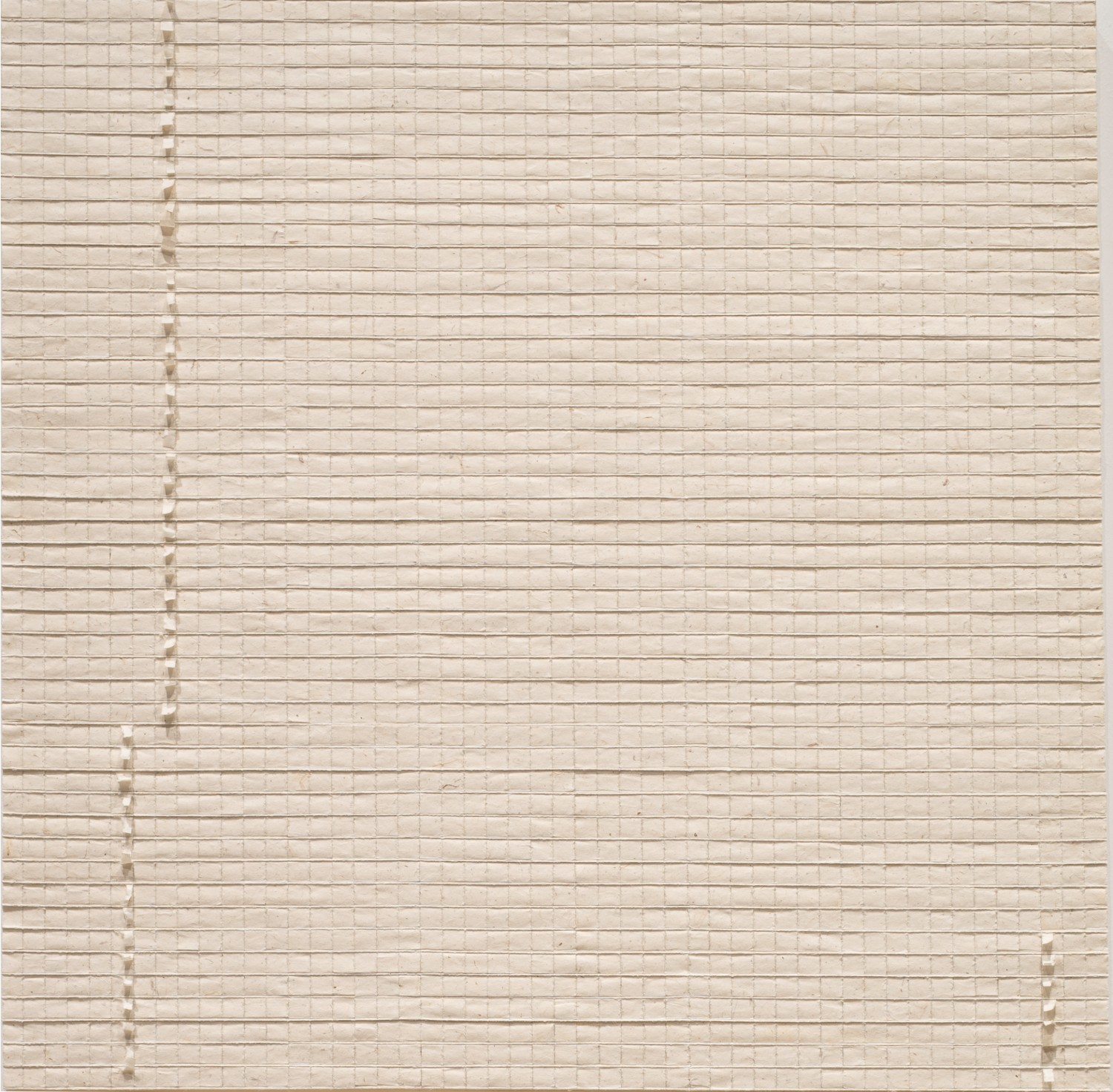
Paper things
2021 · Hanji(traditional Korean paper)
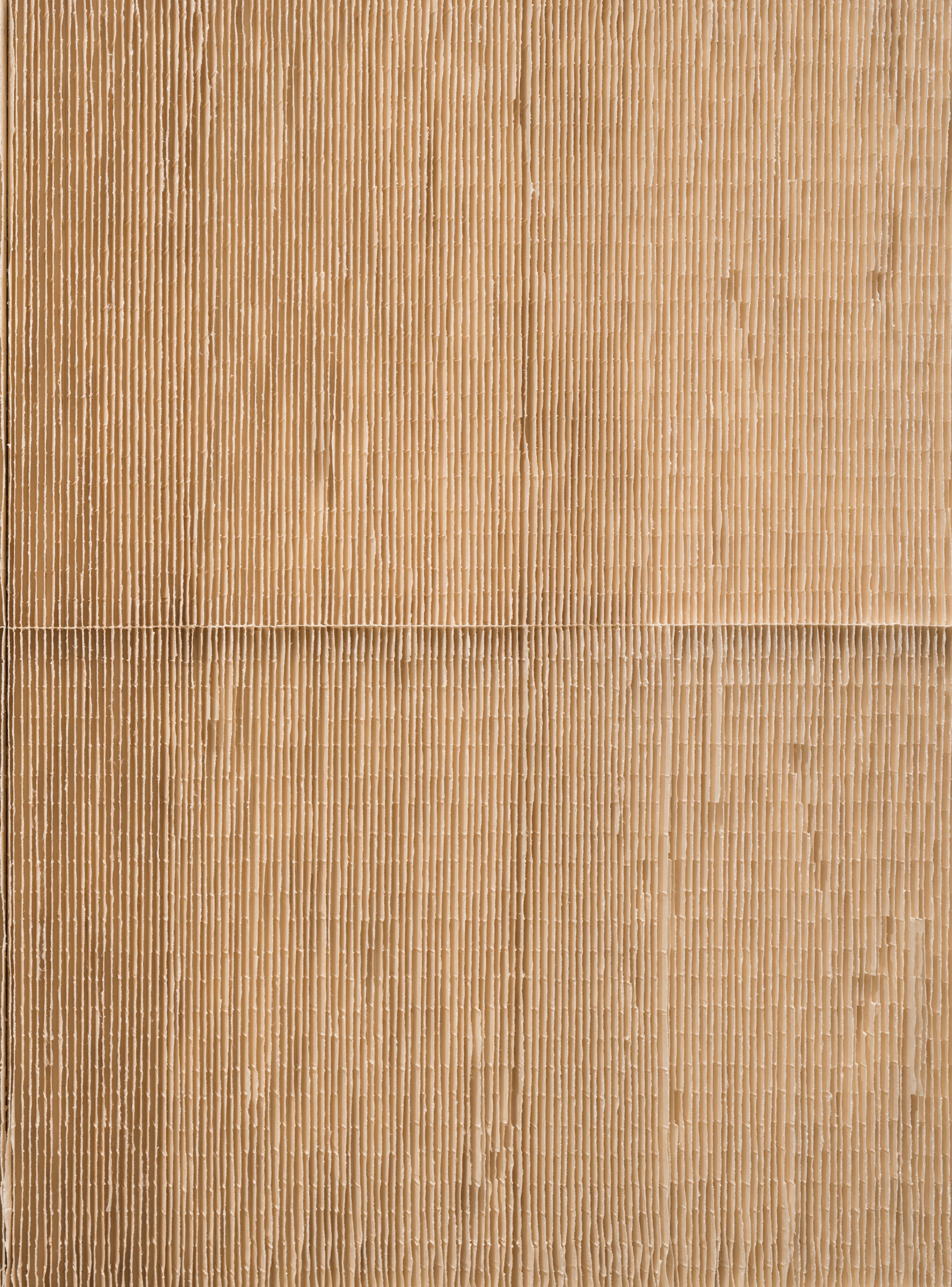
Paper things
2021 · Hanji(traditional Korean paper)
Paper things
2019 · Hanji(traditional Korean paper)
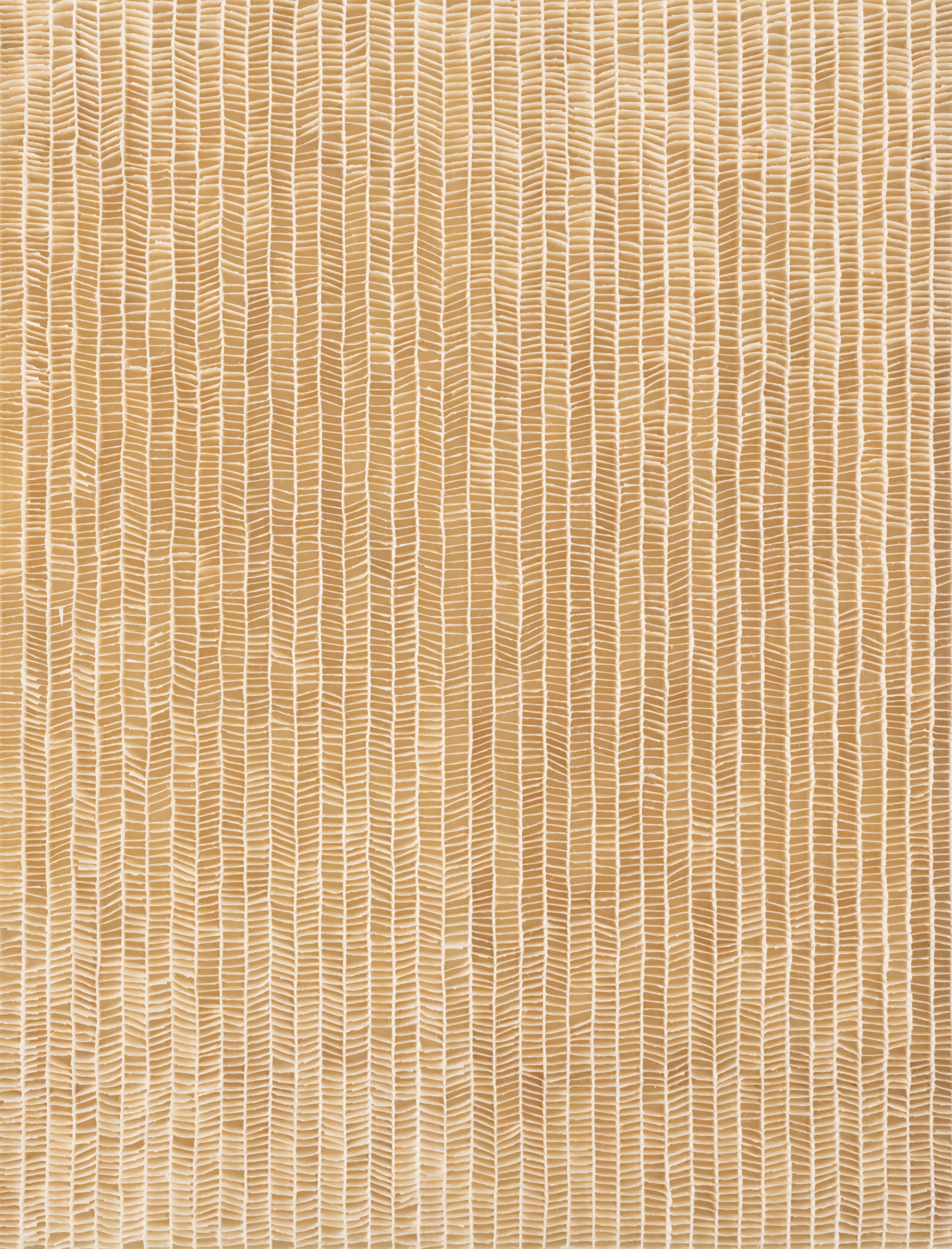
Paper things
2018 · Hanji(traditional Korean paper)