Jay Choi
Seoul, South Korea, b. 1975
Biography
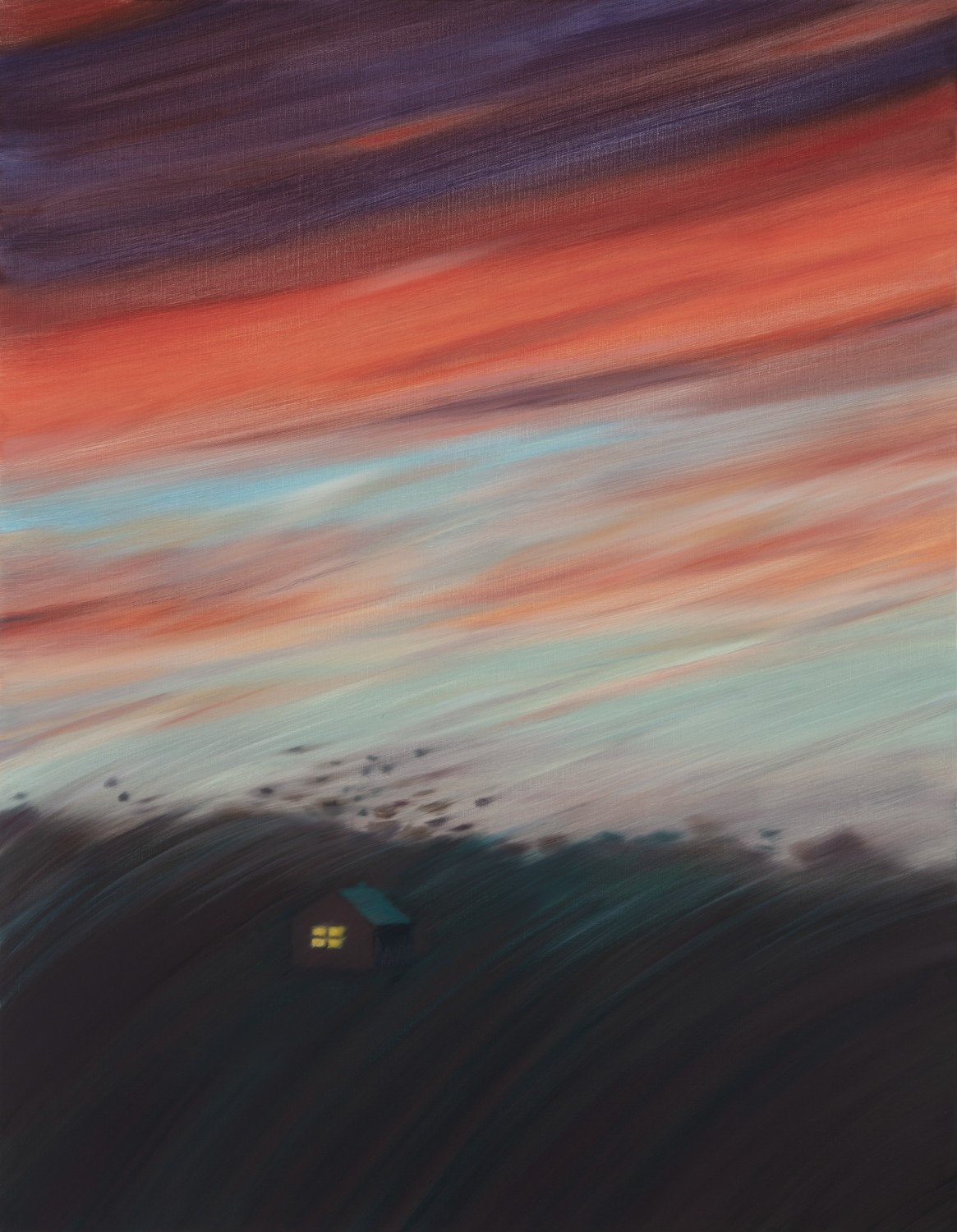
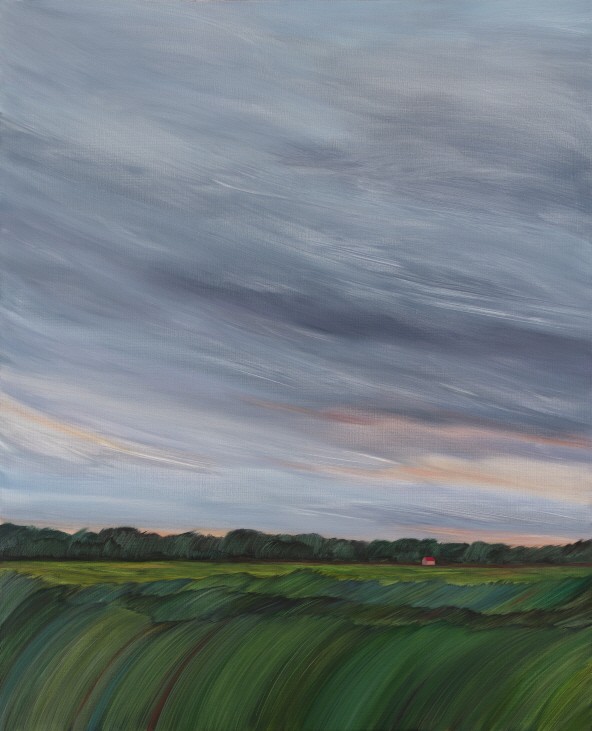
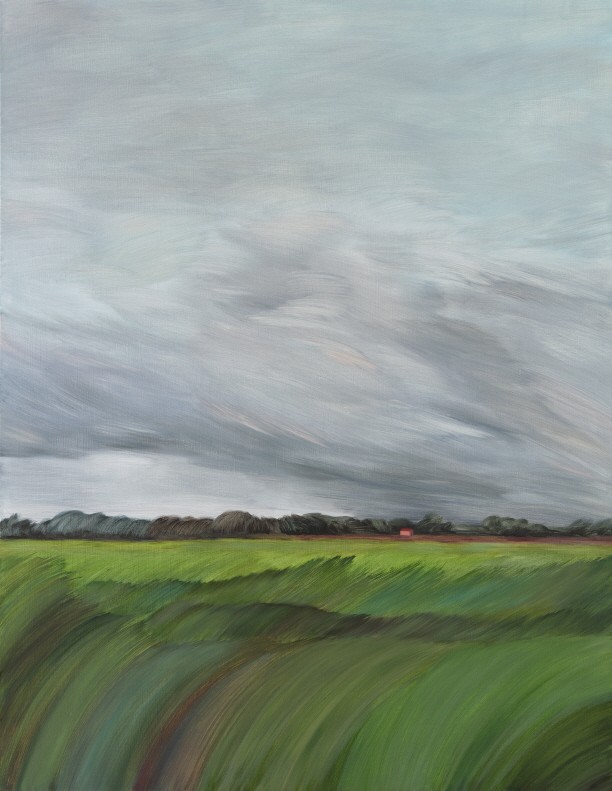
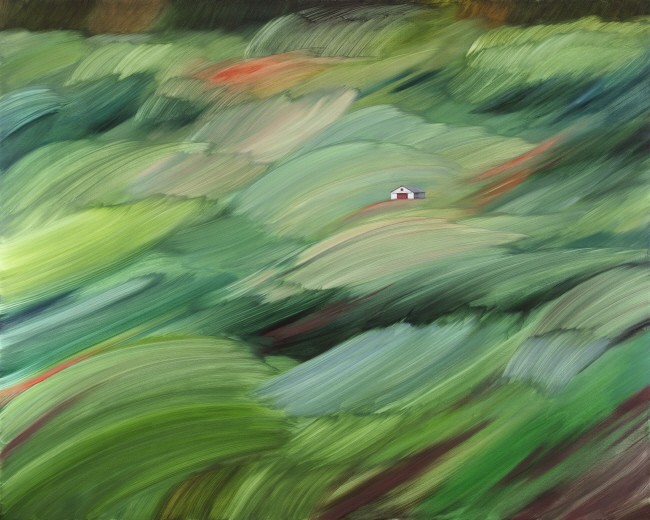
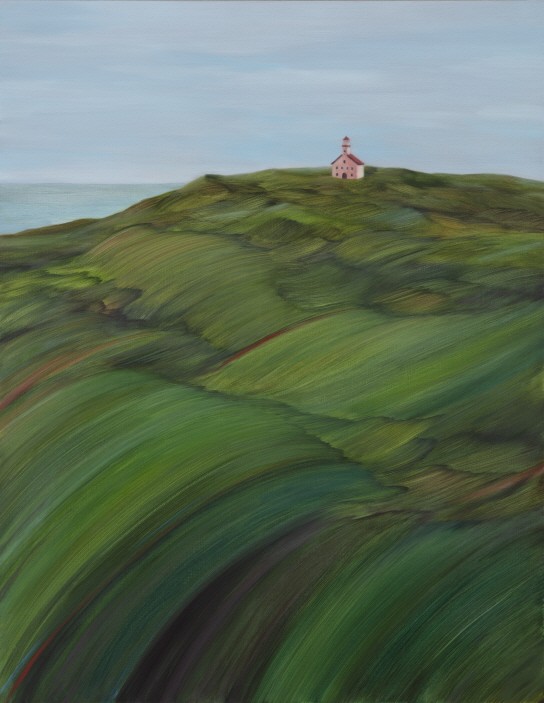
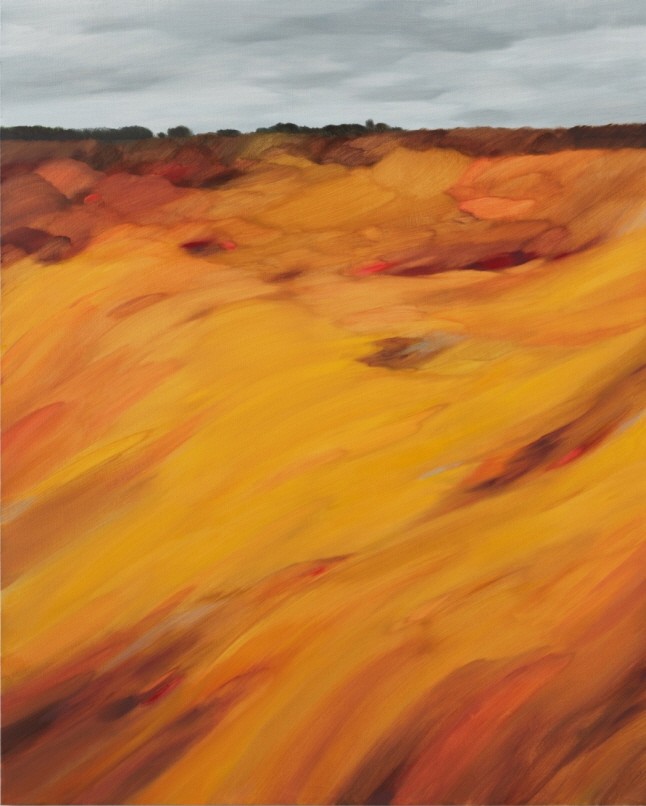
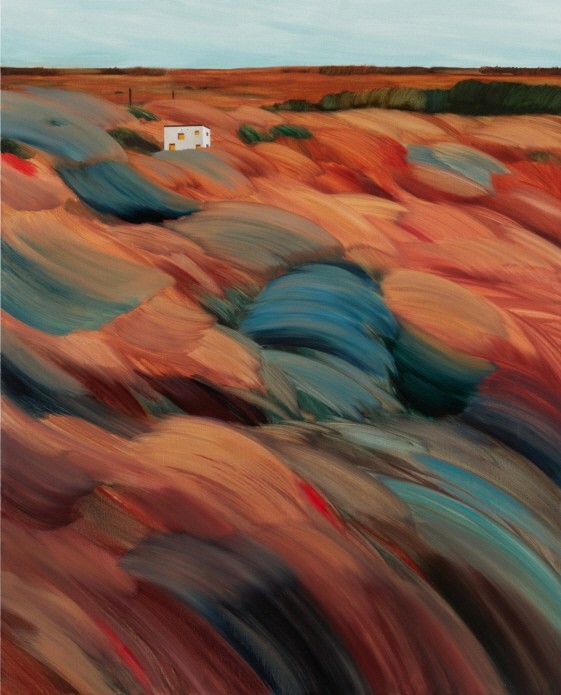
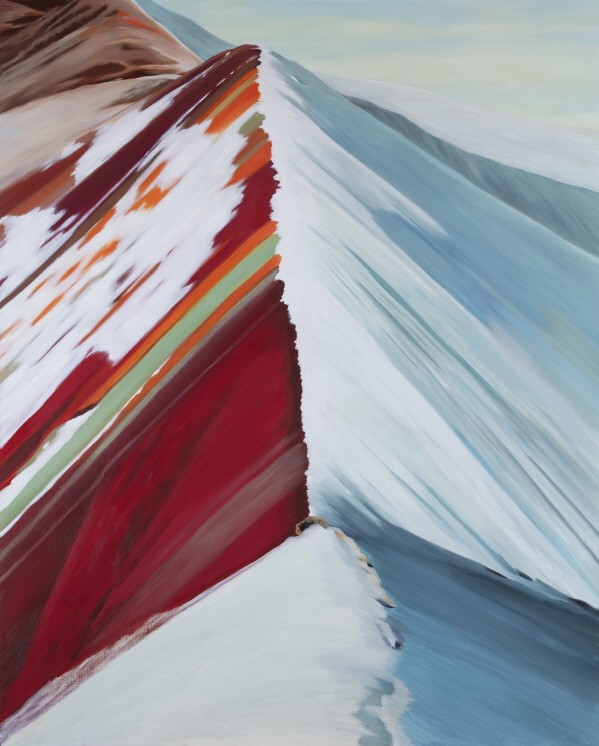
Jay Choi does not begin her work with sketches. Instead, she photographs landscapes that inspire her and keeps them beside her canvas, responding intuitively with brushstrokes as she paints the wind. Once the first trace of wind appears on the previously empty canvas, she spends a long time gazing at the surface—somewhere between the landscape and the painting. Before the pigment dries, she erases the wind and paints it again, repeating this process countless times until the work takes form. This process draws viewers into the world of the canvas while allowing the artist herself to focus fully on her inner emotions and 흐름. Her practice is a continuous sequence of unplanned gestures, relying entirely on momentary sensation. She often describes her work as resembling life itself. What life has taught her is the wisdom of accepting situations as they unfold differently from what was planned, and of moving forward by surrendering to the flow. This lesson is directly reflected in her working process: the spontaneous direction of wild grasses or reeds, decided in an instant, becomes a more natural expression of wind. Once the direction of the wind is set, she traces its texture as if drawing the grain of emotion, entrusting herself to the movement of her brush. Each brushstroke becomes both an act of painting and a record of the sounds arising from within. Amid the plants swaying in the ever-blowing wind, a solitary house stands firmly in place, functioning as the final destination of all processes and emotions. It serves as a shelter, a refuge, and a sanctuary. While some works are celebrated for grand social discourses, monumental narratives that challenge their times, or critically rational frameworks, her work turns inward. It is deeply personal, subjective, and emotional—and precisely for that reason, it resonates with viewers. Offering quiet comfort to the heart becomes the role entrusted to her work.