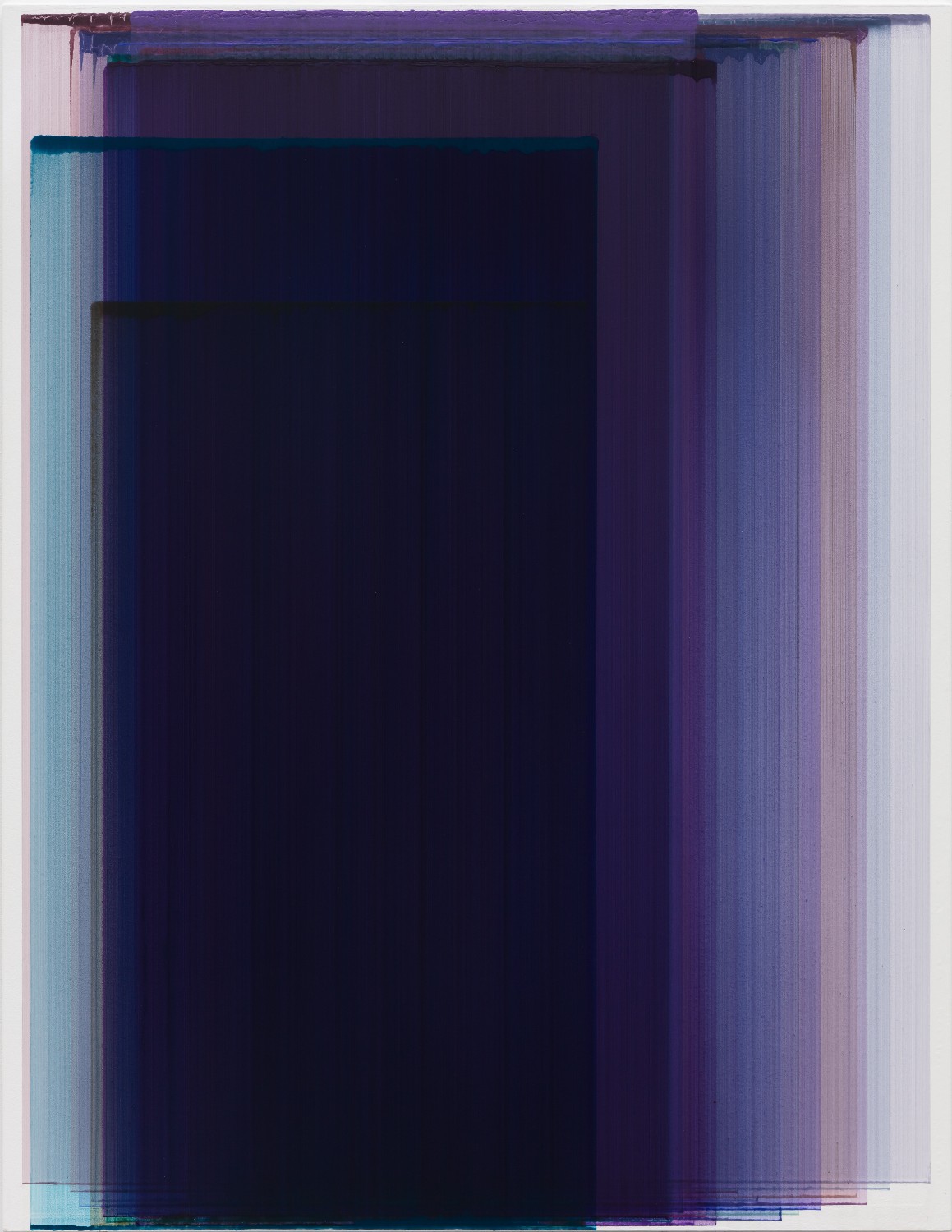
Seungtaik Jang
Pocheon, South Korea, b. 1959
Biography
<Layer Colors Painting> series lies at the culminating point in the artist’s long painting career. The topic of the work, the black, which has become as dark as an abyss through overlapping of countless brush strokes and acrylic paints with 20~30% opacity, looks like an equivalent of the universe that is itself full of life. The universe consists of overlapping of present moment that is constantly changing. If we compare the entire universe rolling from the infinite past to the present, each present moment corresponds to each individual scene from an infinitely long roll of film. The Universe is composed of infinitely overlapped present universes that are infinitely being segmented. The second law of thermodynamics says time does not exist in the physical reality. Time is a phenomenon that is recognized by the existence ruled by the irreversible principle of thermodynamics like humans. Perception, memory, and intuition of time take the form of overlapping. That is the most basic condition to constitute the ontological and epistemological characteristic of human being. Perception of time constructs the form of nowness that makes up a vast boundary between what has passed, what is to come, and what is in between. The act of perception is vast and vain. Connecting and aligning several flat brushes, Jang draws them in acrylic paint mixed with medium and makes a translucent membrane. Then he repeats the same act with a different color. Each brush stroke amounts to each individual present. The pictorial act of the artist in <Layer Colors Painting> constitutes a form of reaction to the way the world and time exist as humans perceive. Jang’s work has not been fully appreciated in spite of its inherent completeness, stylistic originality and significance within the context of contemporary painting. His artistic world reminds us of the continuity of the Informel or abstract expressionist painting and at the same time implies a methodology of minimalism and conceptualism in terms of a new interpretation of painting through industrial media. The overlapping of layers or construction of immeasurably transparent or reflexive canvas in fact entails controversial issues regarding the structural qualities of painting. What we see is a self-perfecting and relational work calling for internal elements that penetrate the whole theory of painting at the same time. Through disproportional rhetoric, it creates a new type of visual narrative that operates like an index to the world, or symbol or sign. It is certain that Jang’s work constitutes a totally important momentum in contemporary painting of Korea. We’ll eventually understand that.
Selected Works
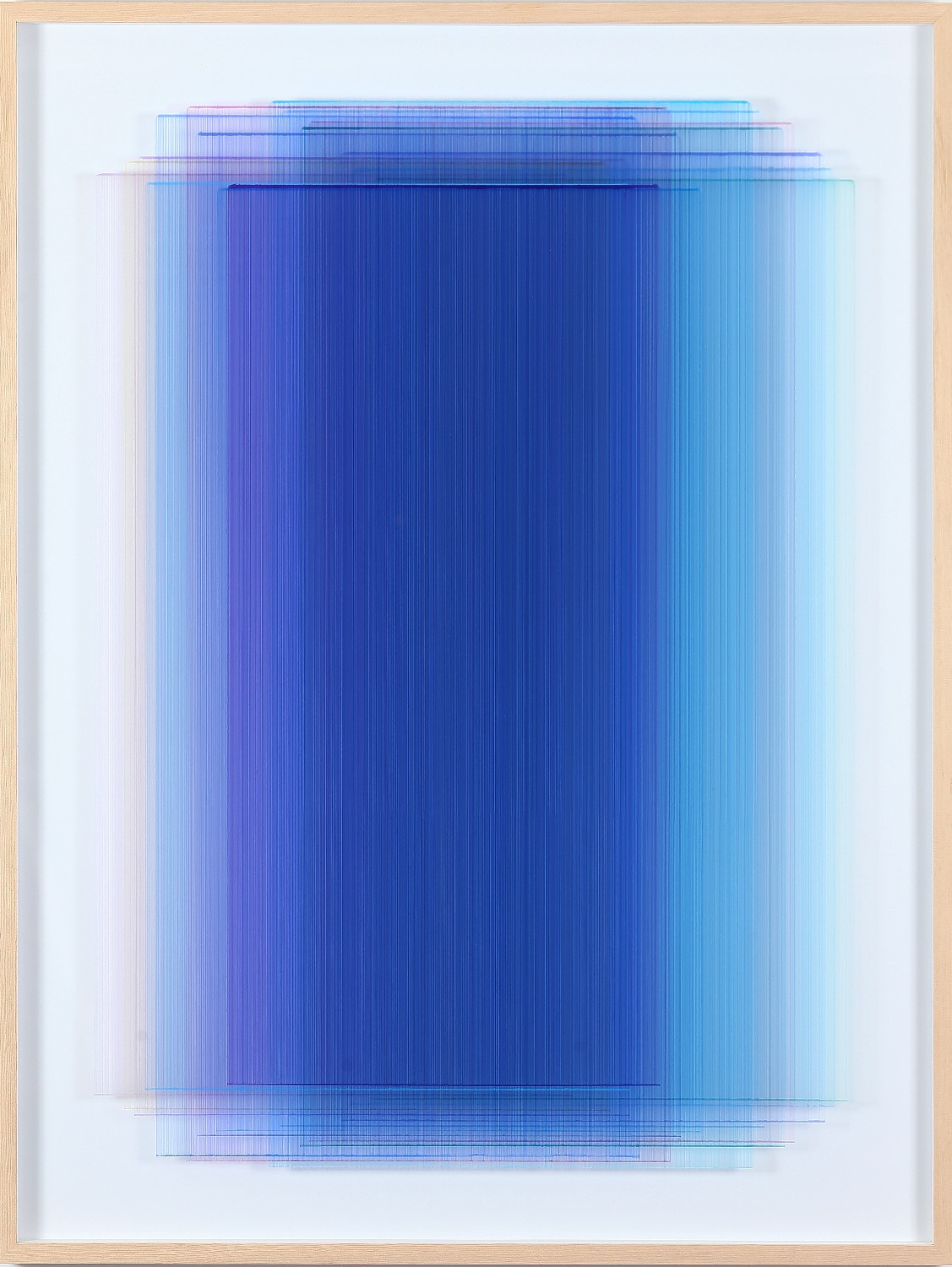
Layered Painting G 60-67
2022 · Acrylic on glass
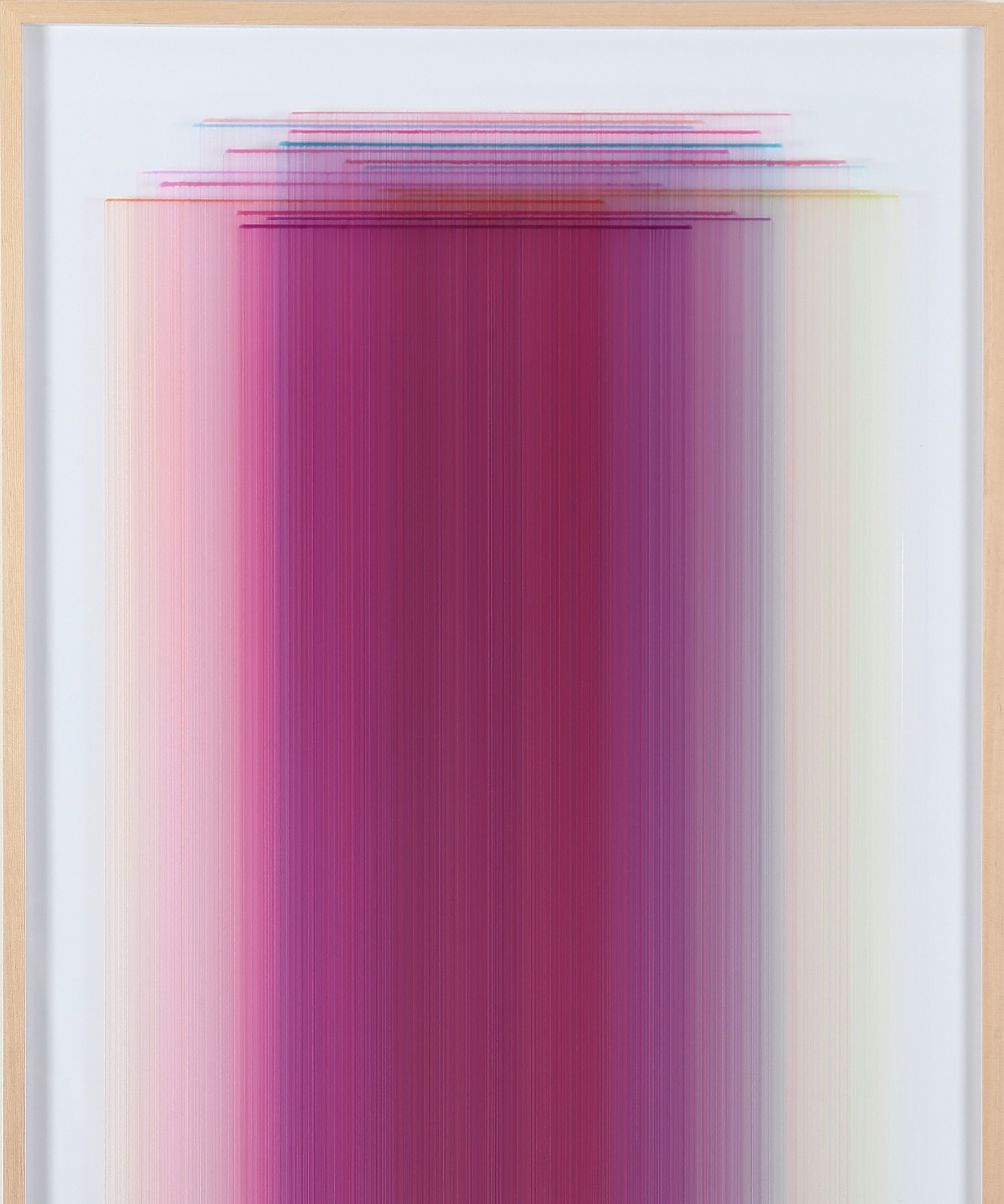
Layered Painting G 60-64
2022 · Acrylic on glass
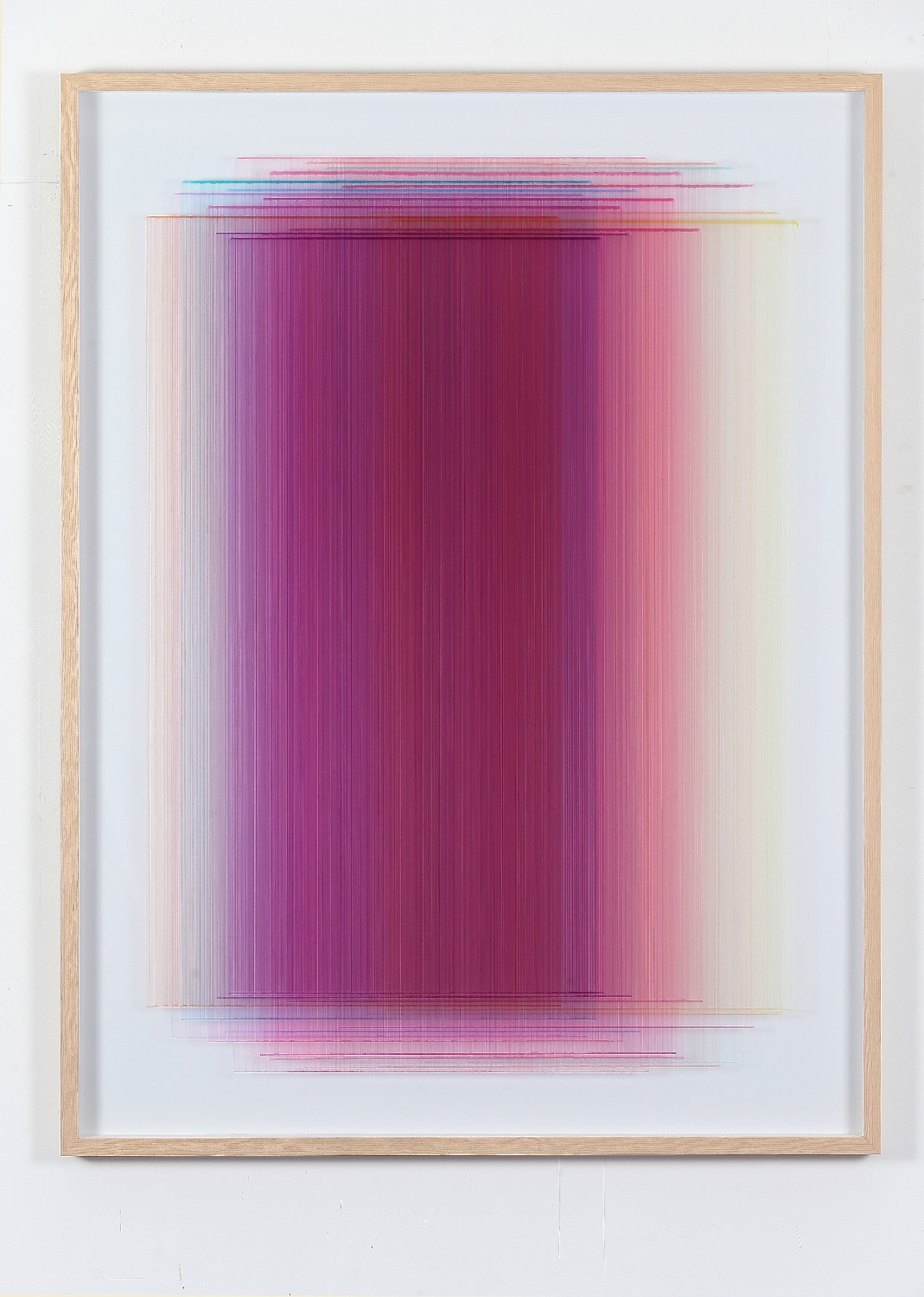
Layered Painting G 60-65
2022 · Acrylic on glass
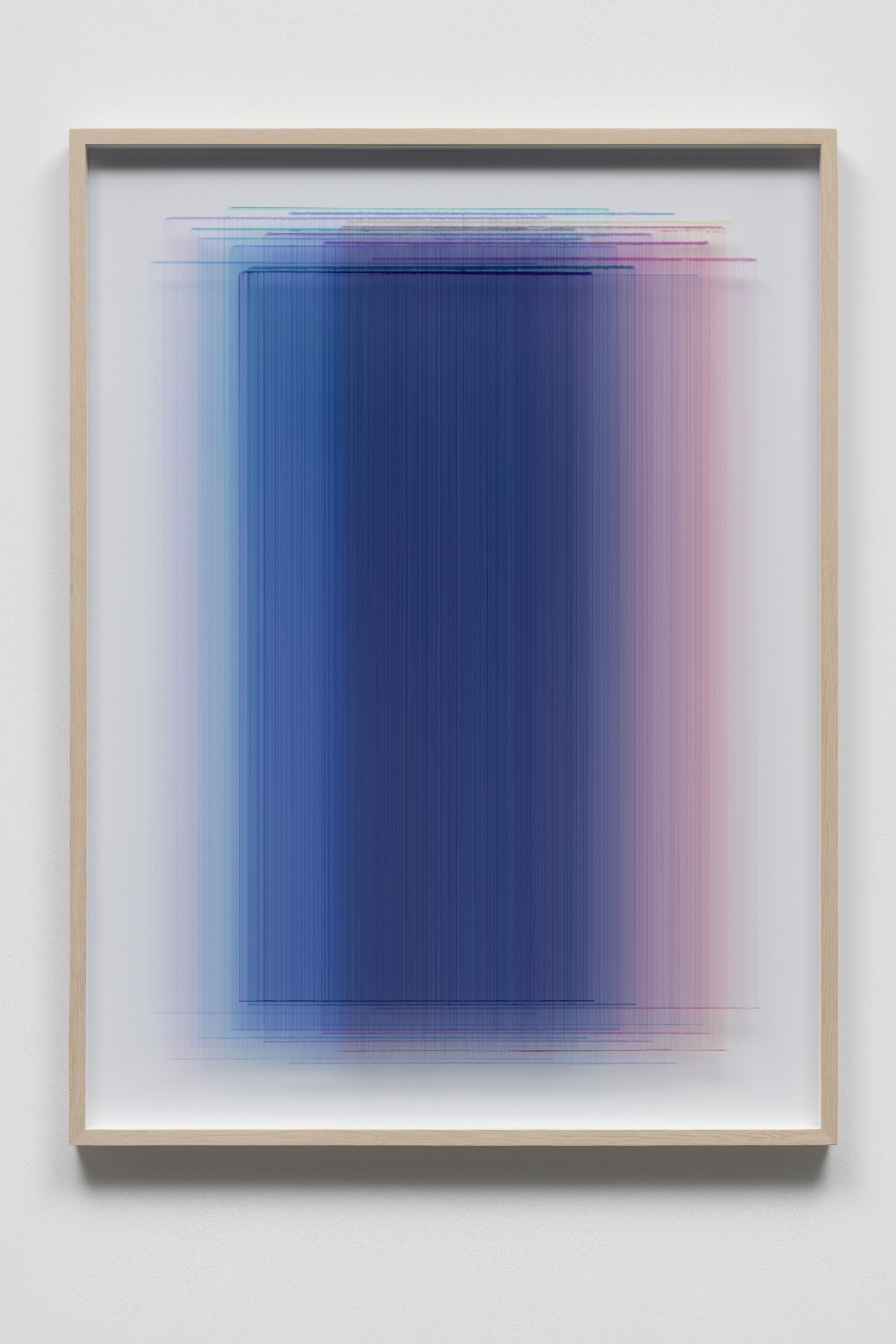
Layered Painting G 60-59
2022 · Acrylic on glass
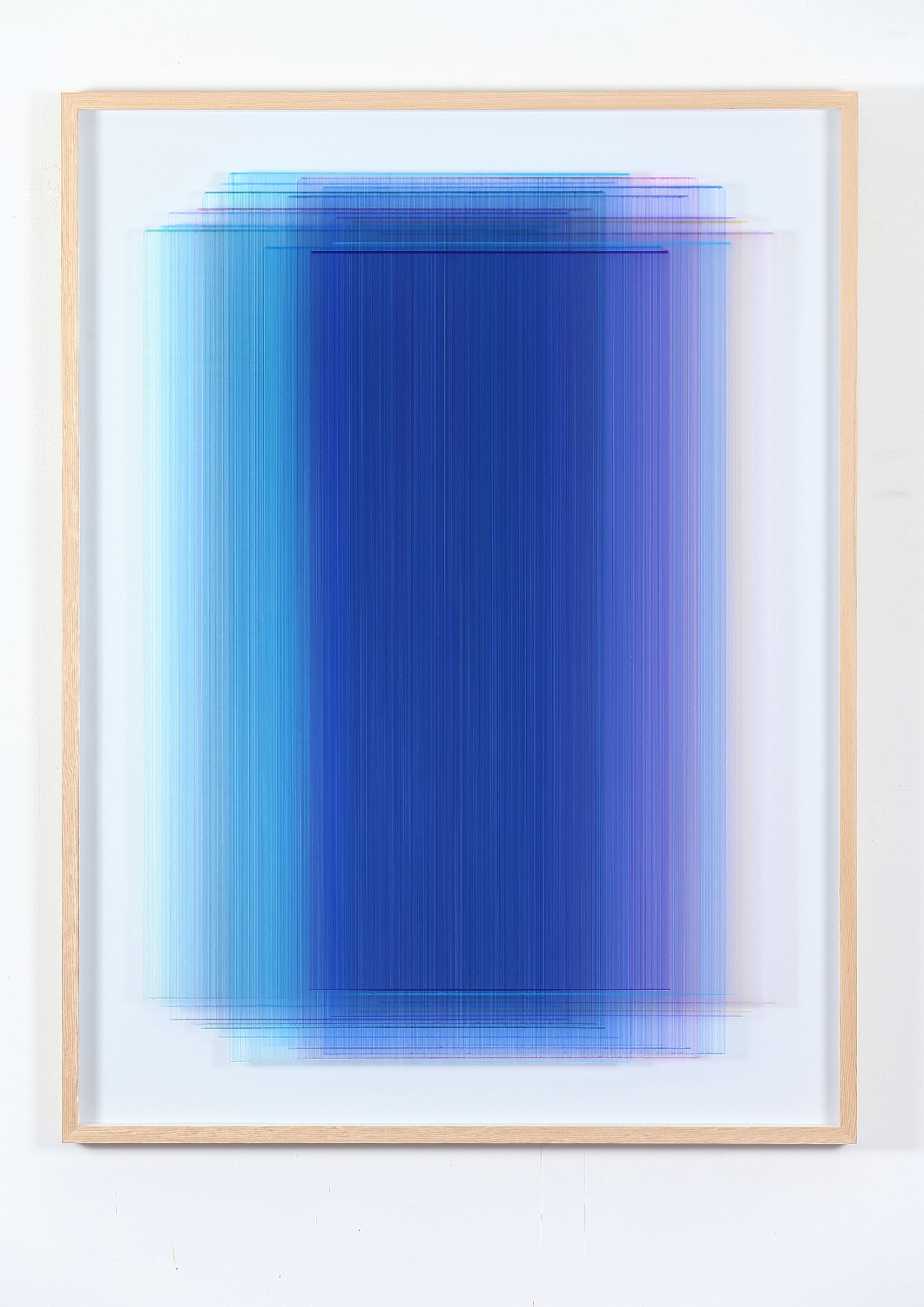
Layered Painting G 60-66
2022 · Acrylic on glass
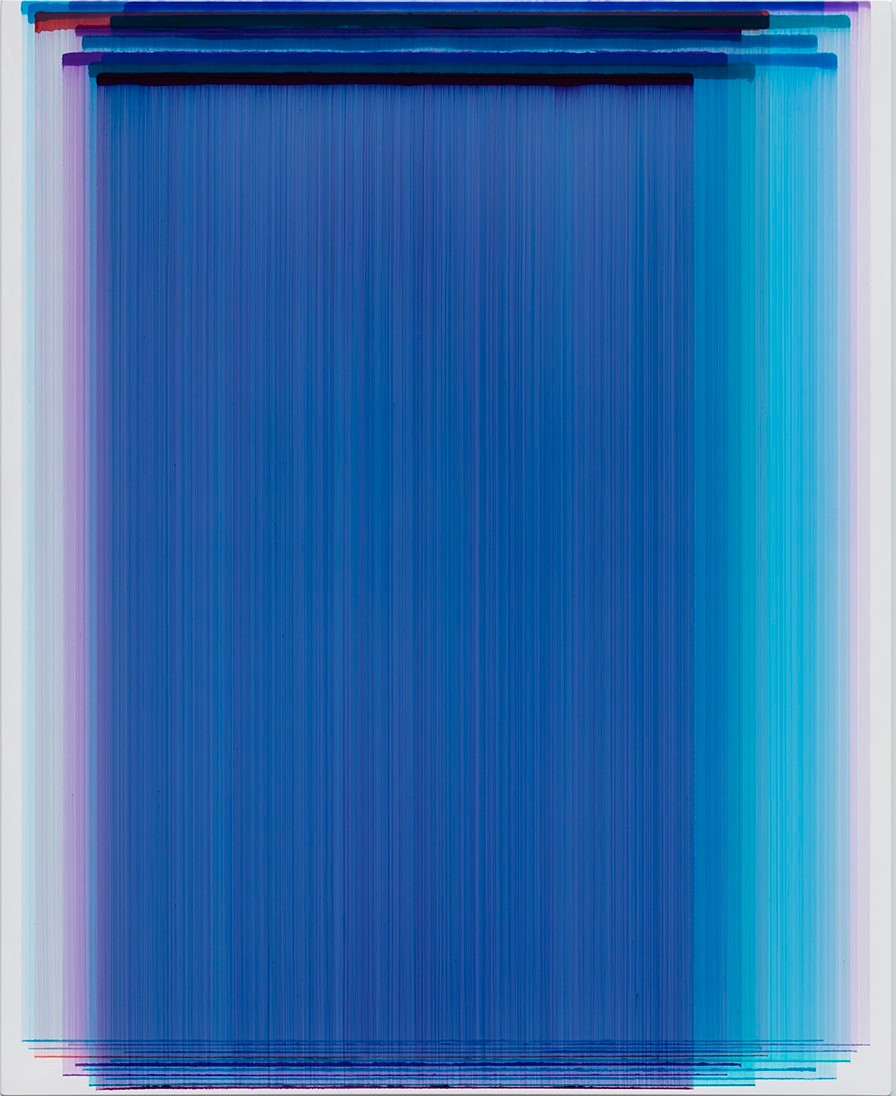
Layered Painting 100-77
2022 · Acrylic on canvas
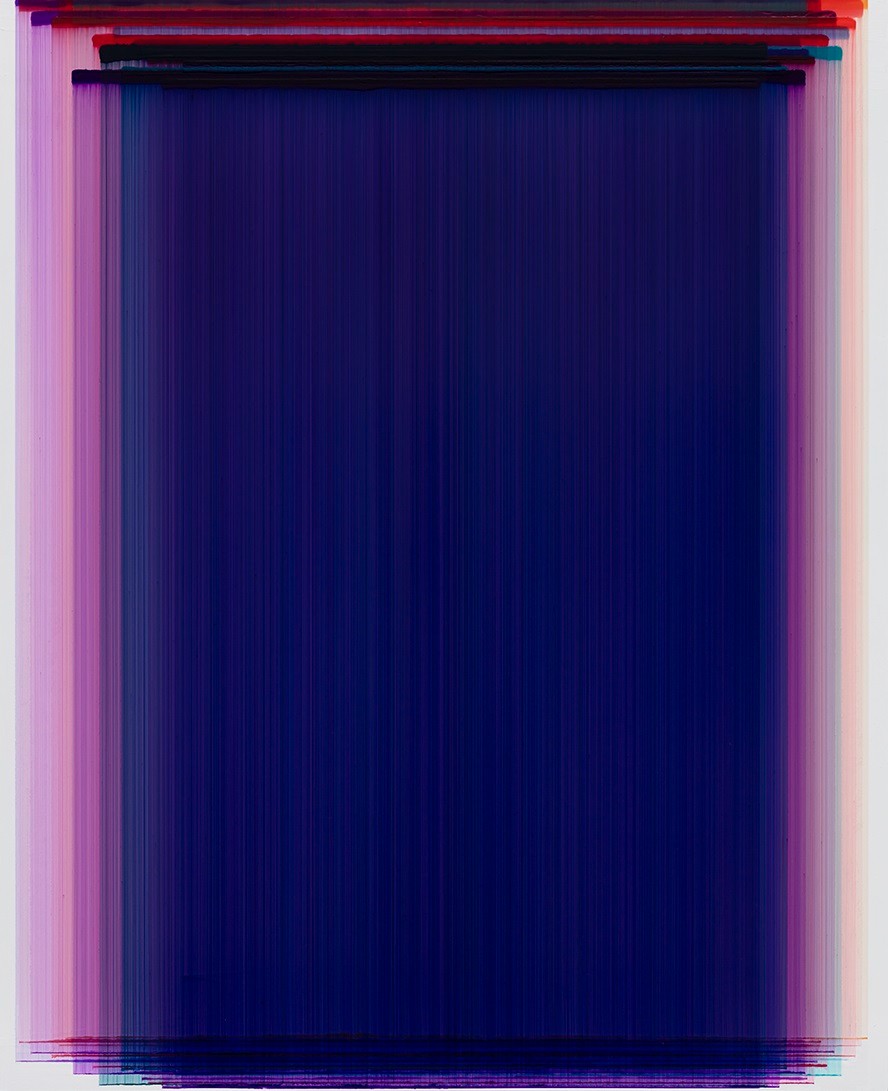
Layered Painting 100-80
2022 · Acrylic on canvas
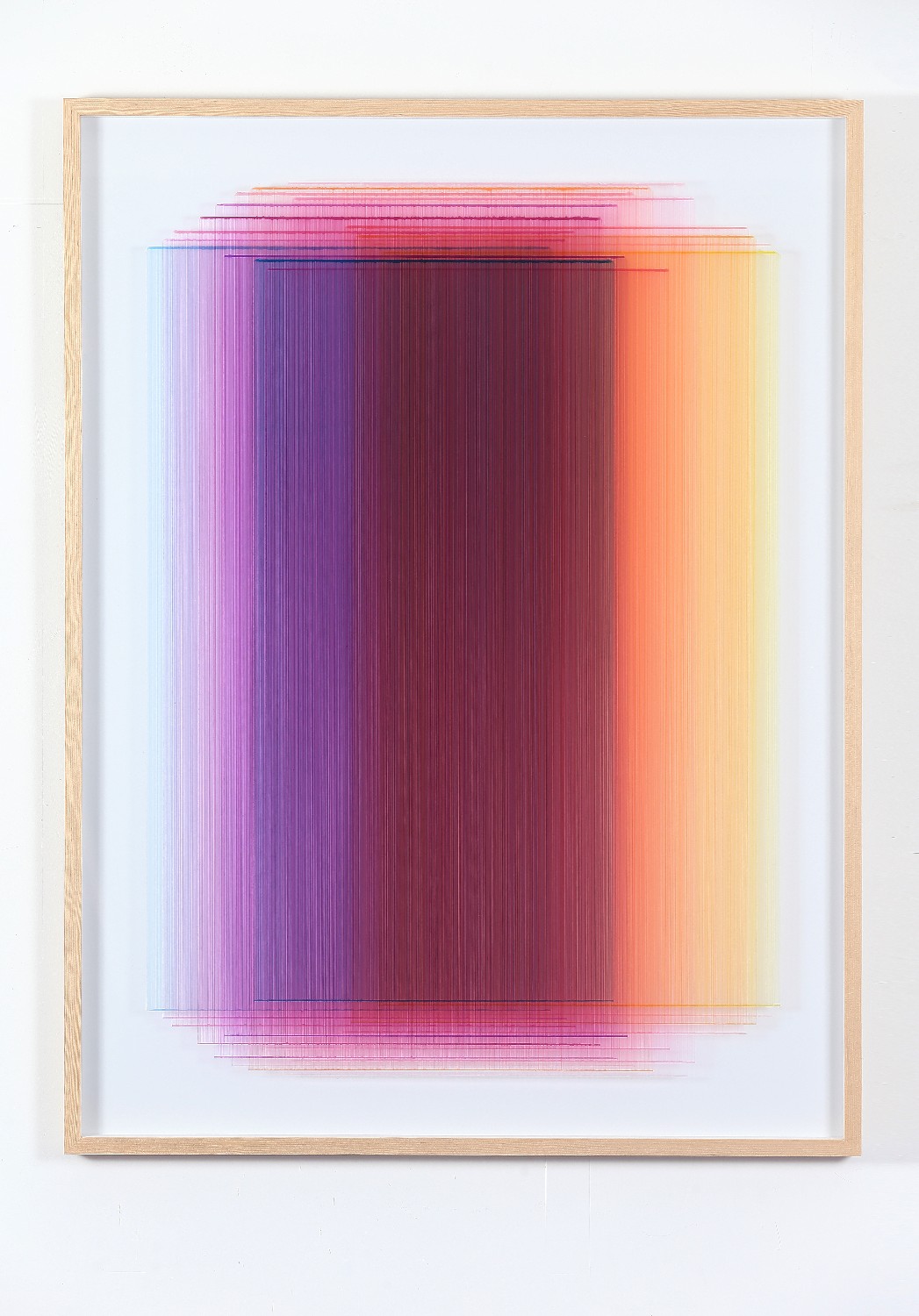
Layered Painting G 60-63
2022 · Acrylic on glass
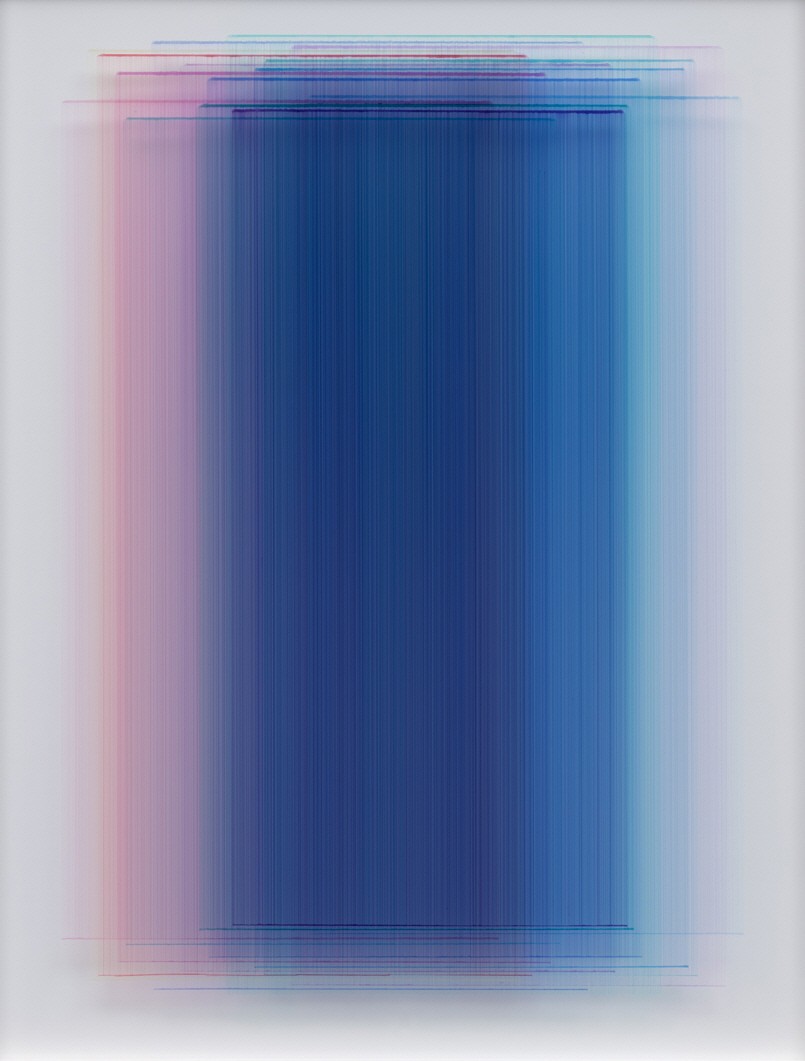
Layered Painting G 60-57
2022 · Acrylic on glass
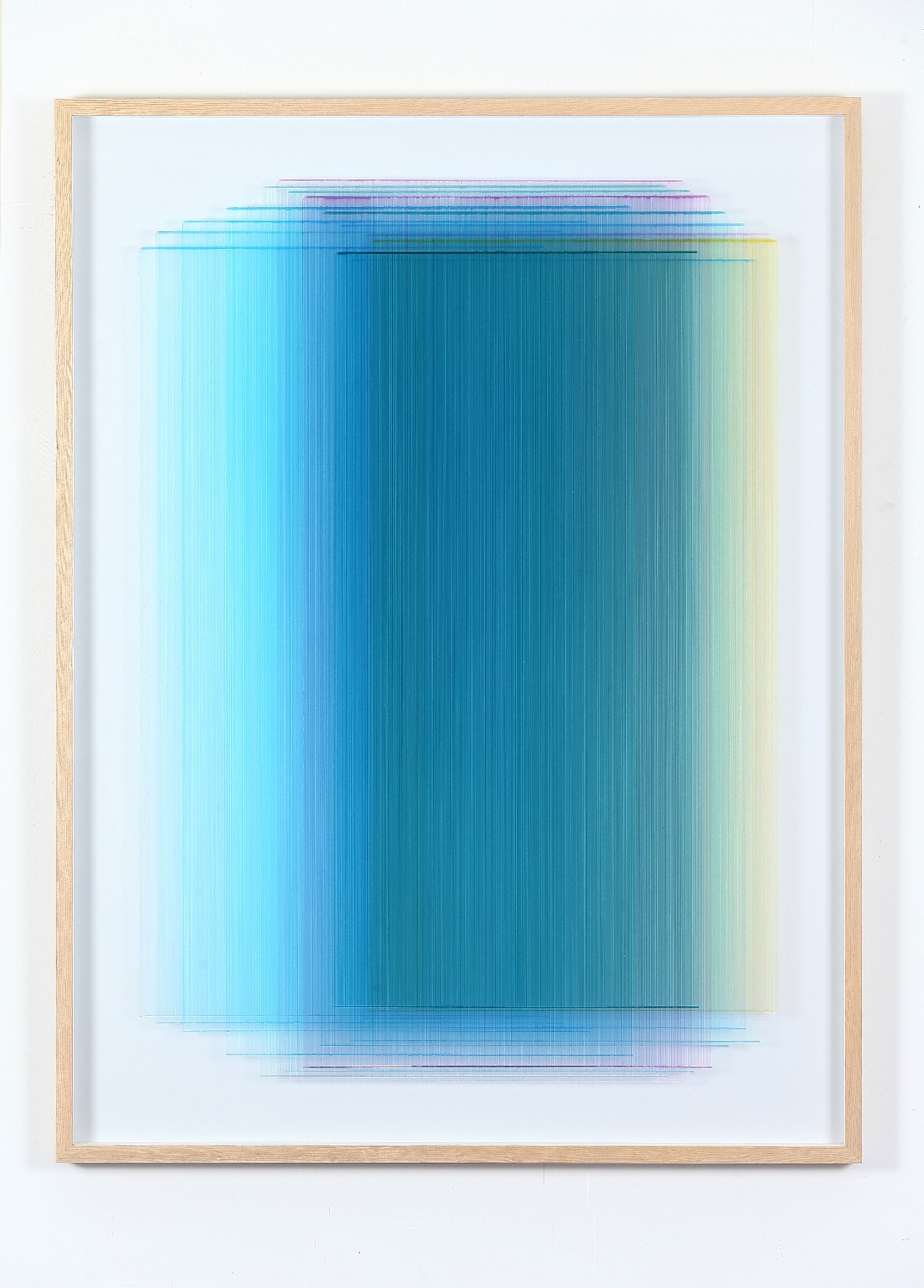
Layered Painting G 60-68
2022 · Acrylic on glass
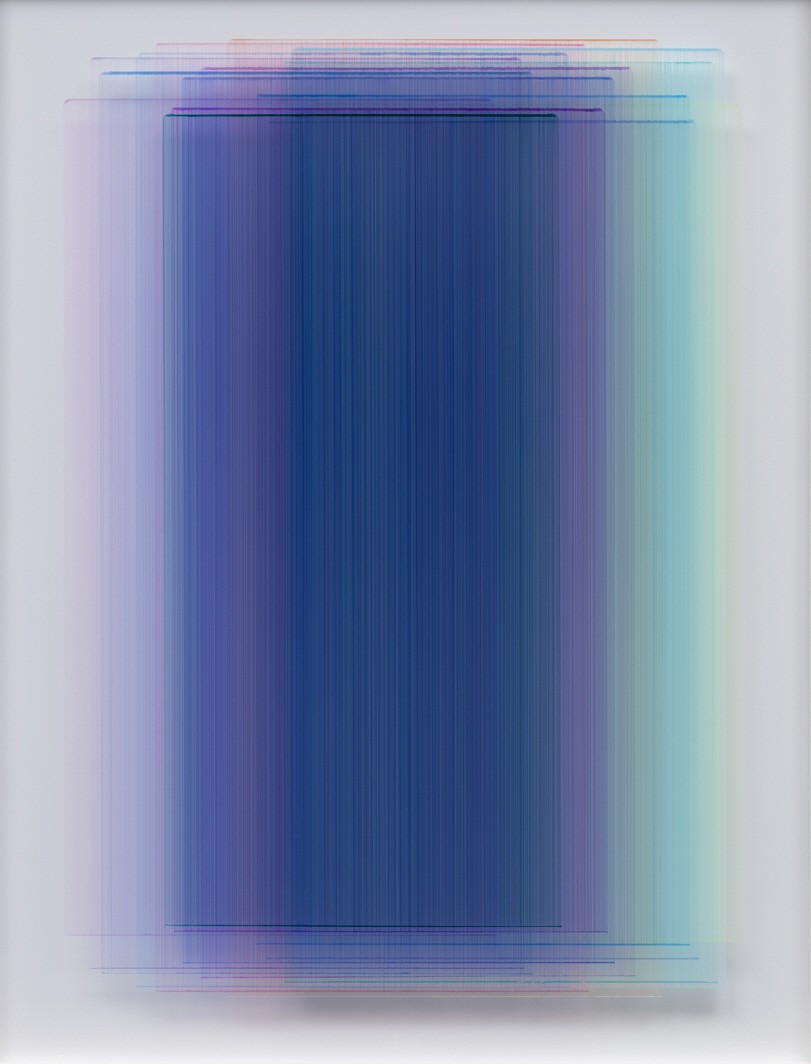
Layered Painting G 60-56
2022 · Acrylic on glass
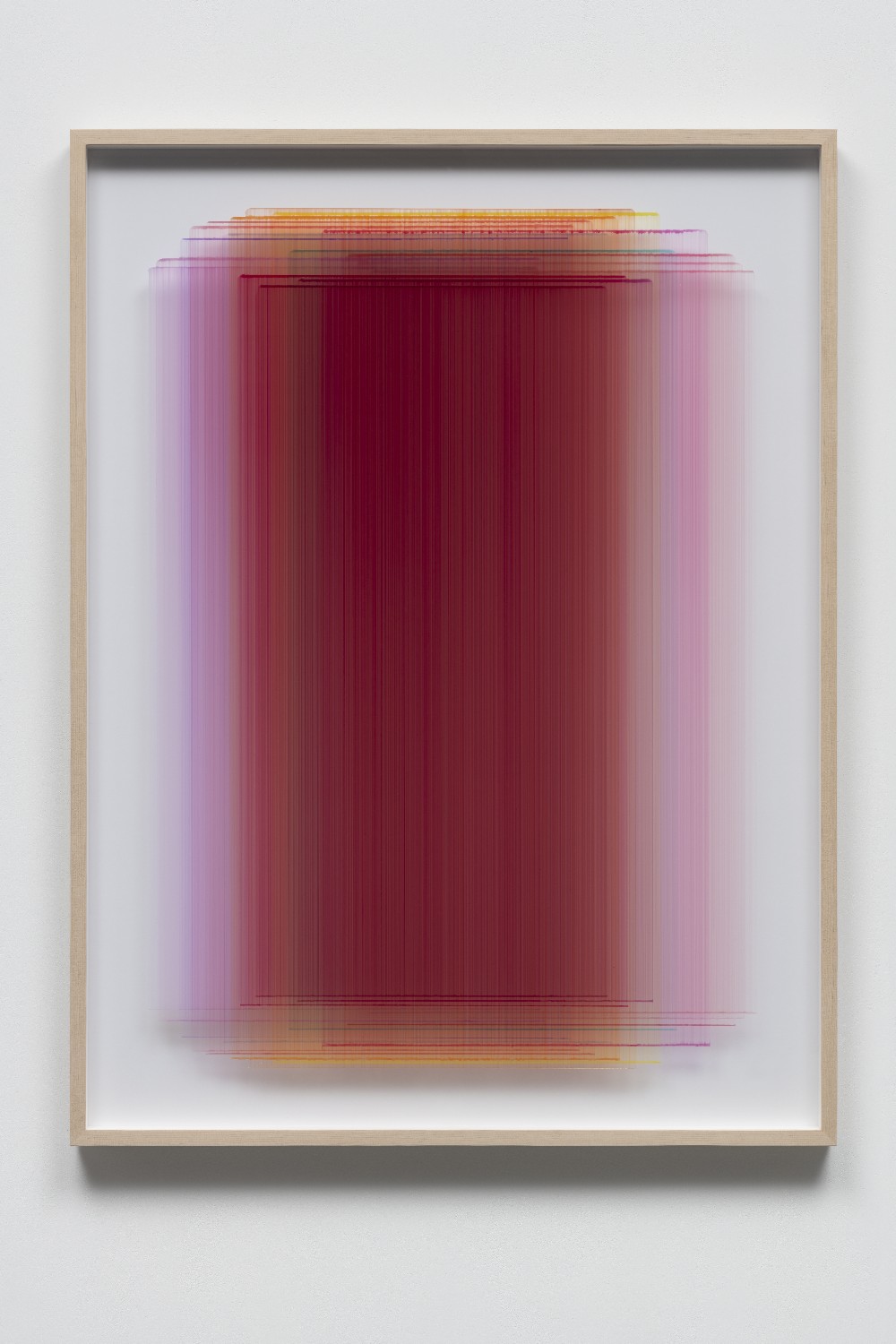
Layered Painting G 60-60
2022 · Acrylic on glass
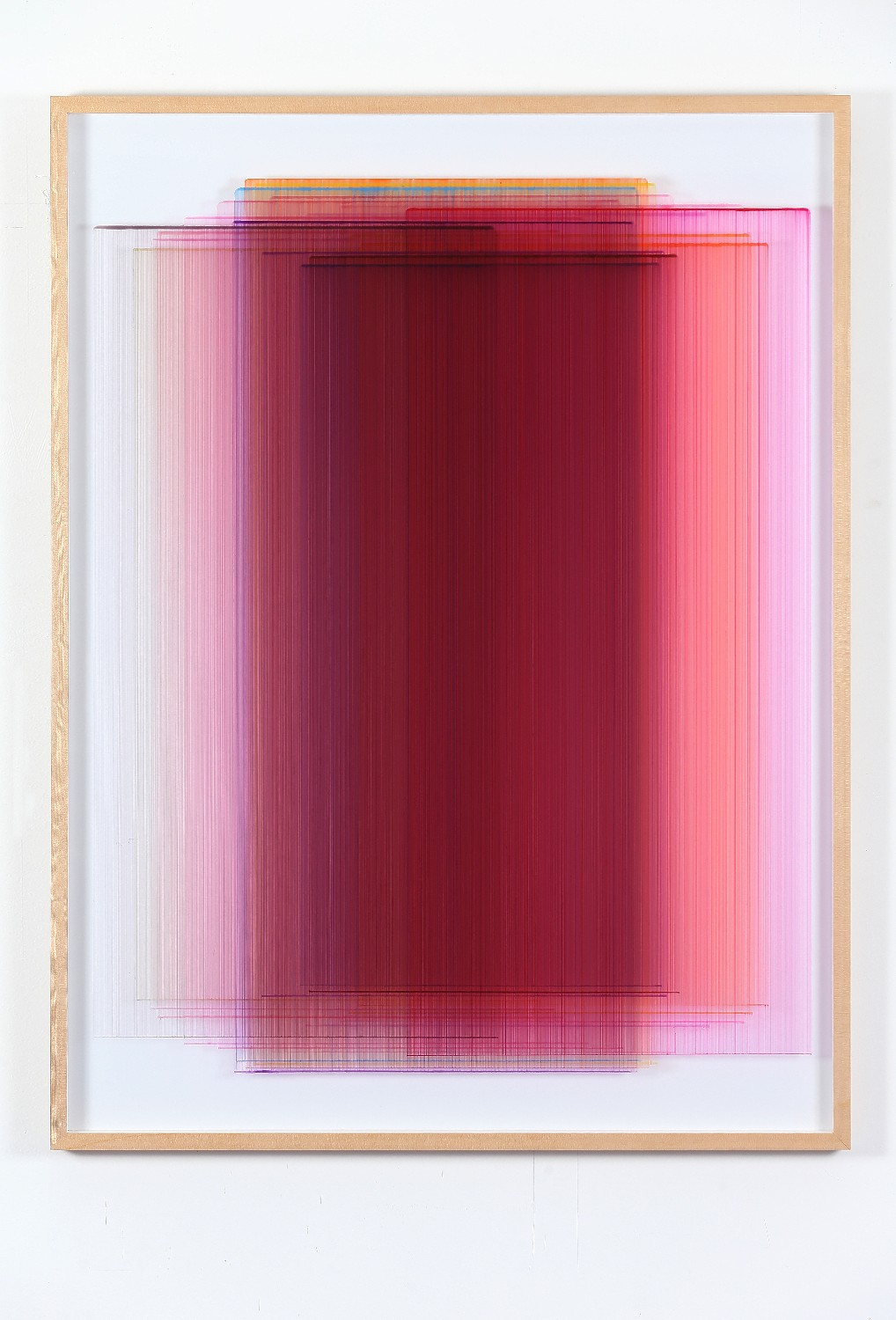
Layered Painting G 60-45
2022 · Acrylic on glass
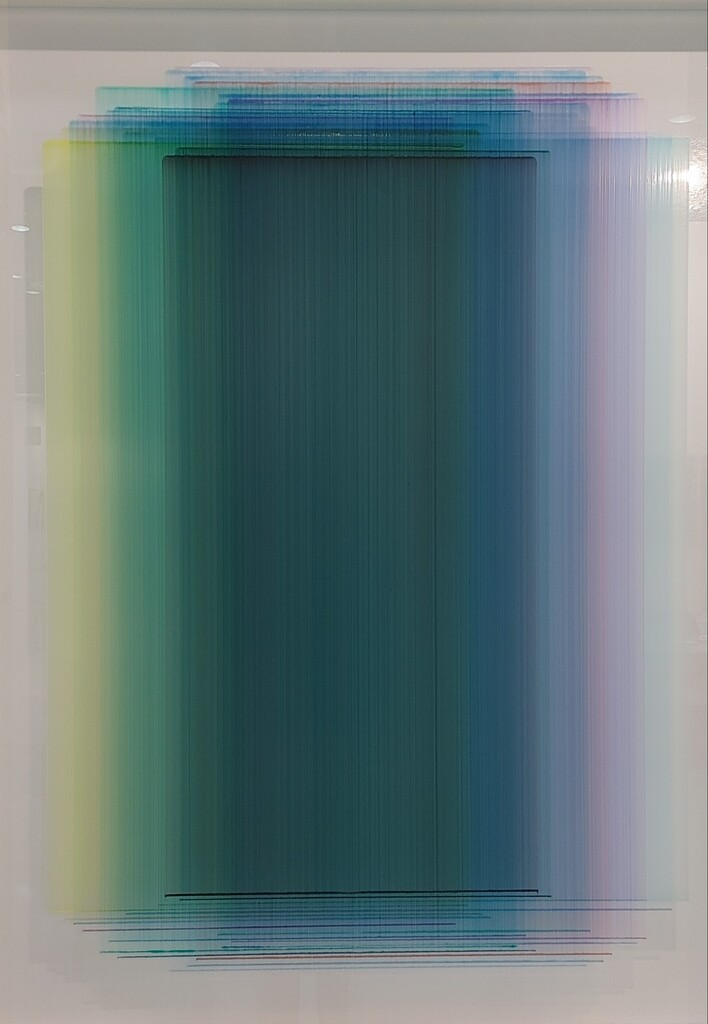
Layered Painting G 60-27
2021 · Acrylic on glass
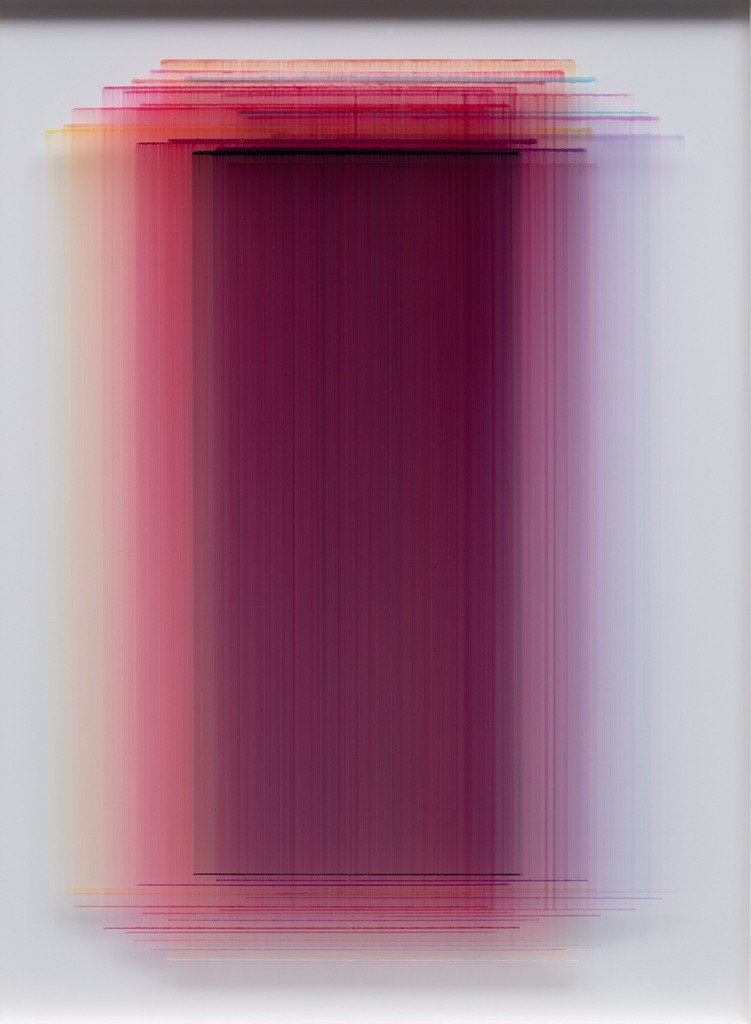
Layered Painting G 60-25
2021 · Acrylic on glass
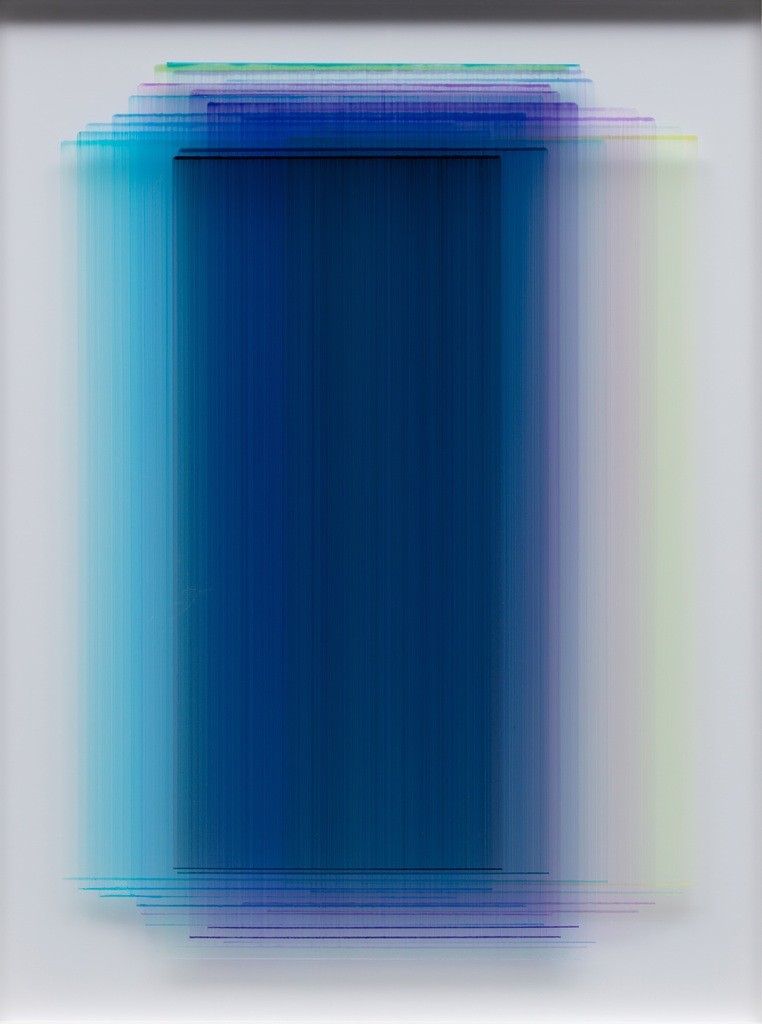
Layered Painting G 60-26
2021 · Acrylic on glass
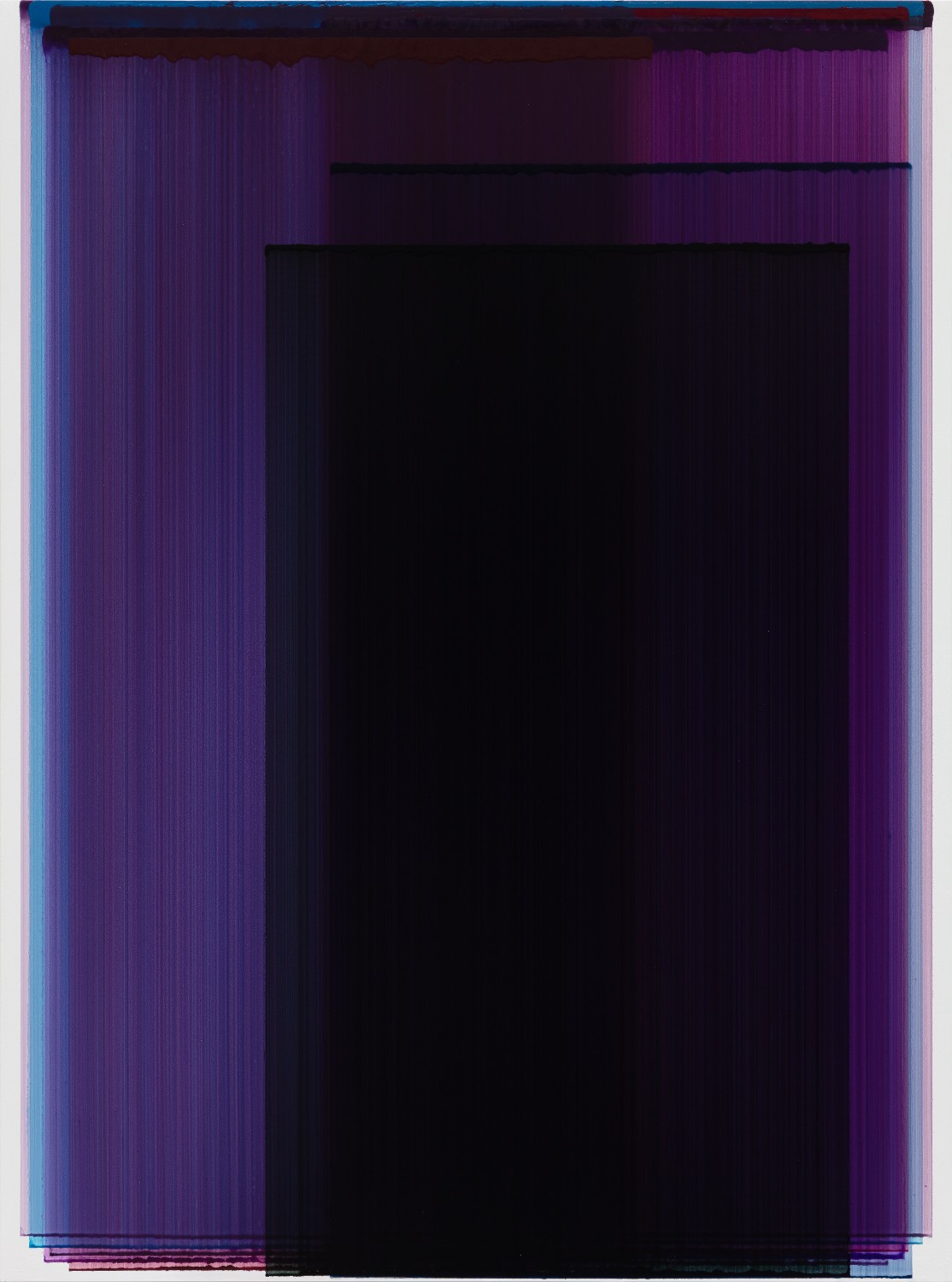
Layered Painting 130-3
2020 · Acrylic on canvas
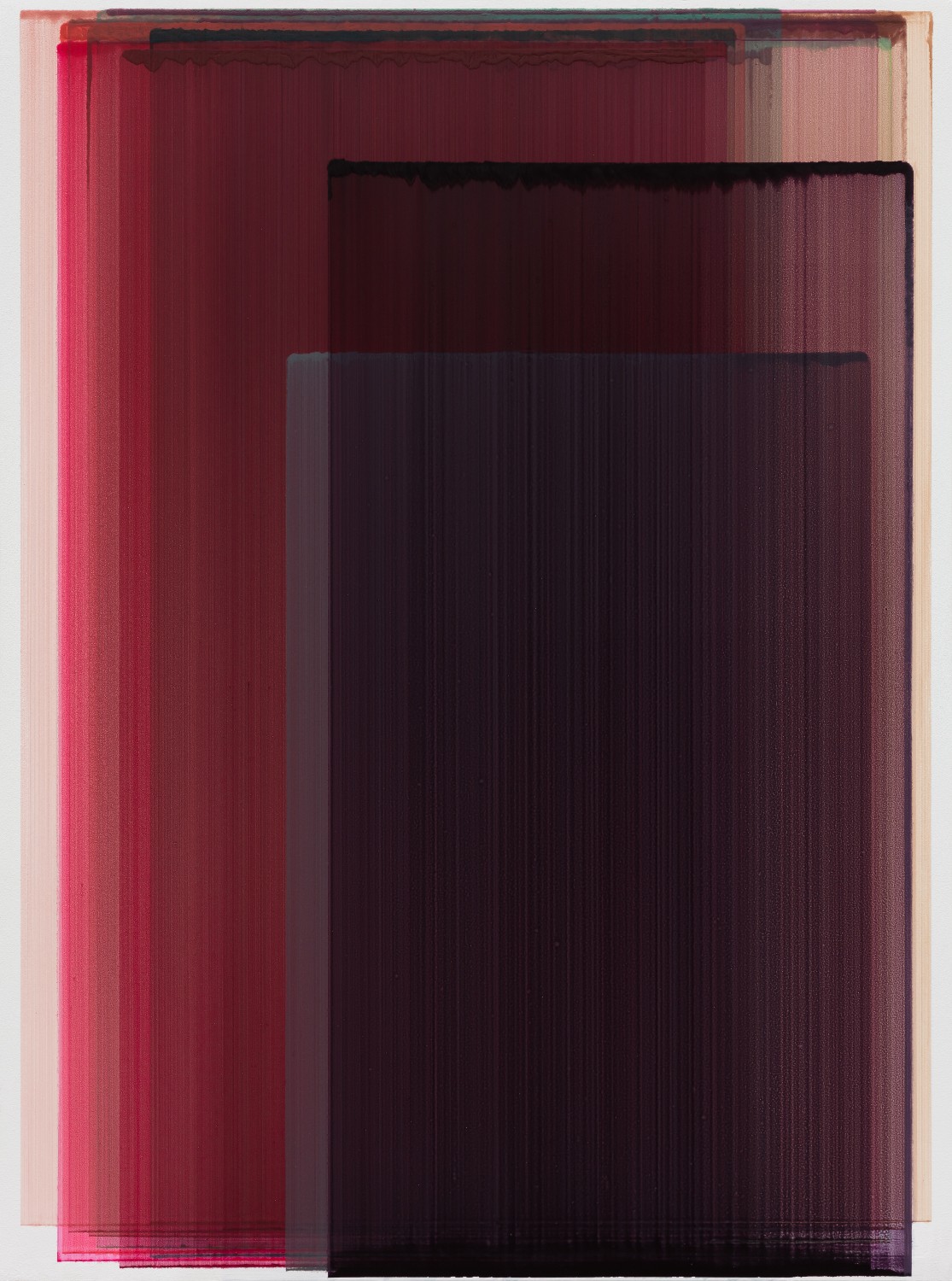
Layered Painting 130-2
2020 · Acrylic on canvas
Layered Painting 150-10
2020 · Acrylic on canvas
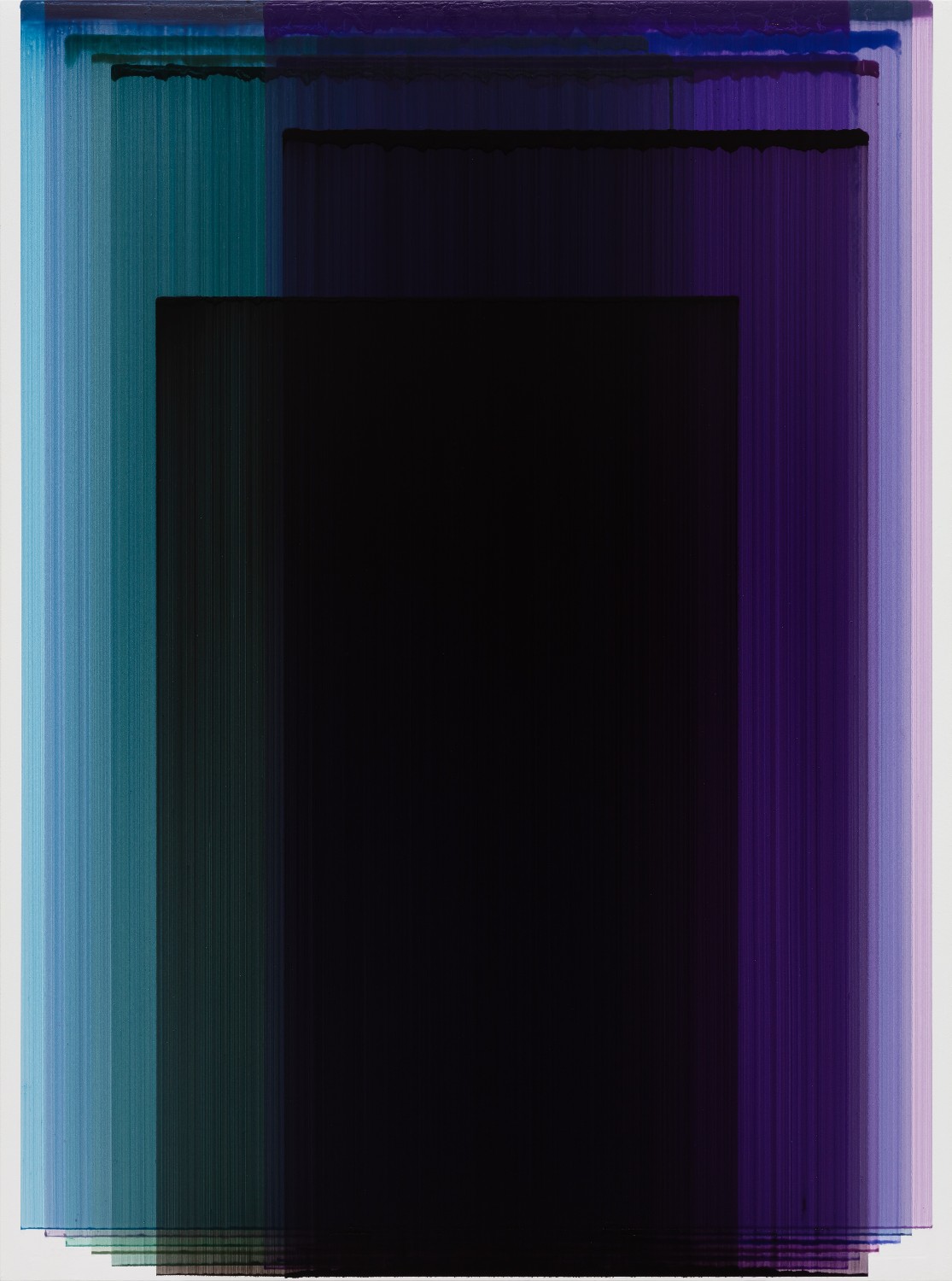
Layered Painting 130-5
2020 · Acrylic on canvas
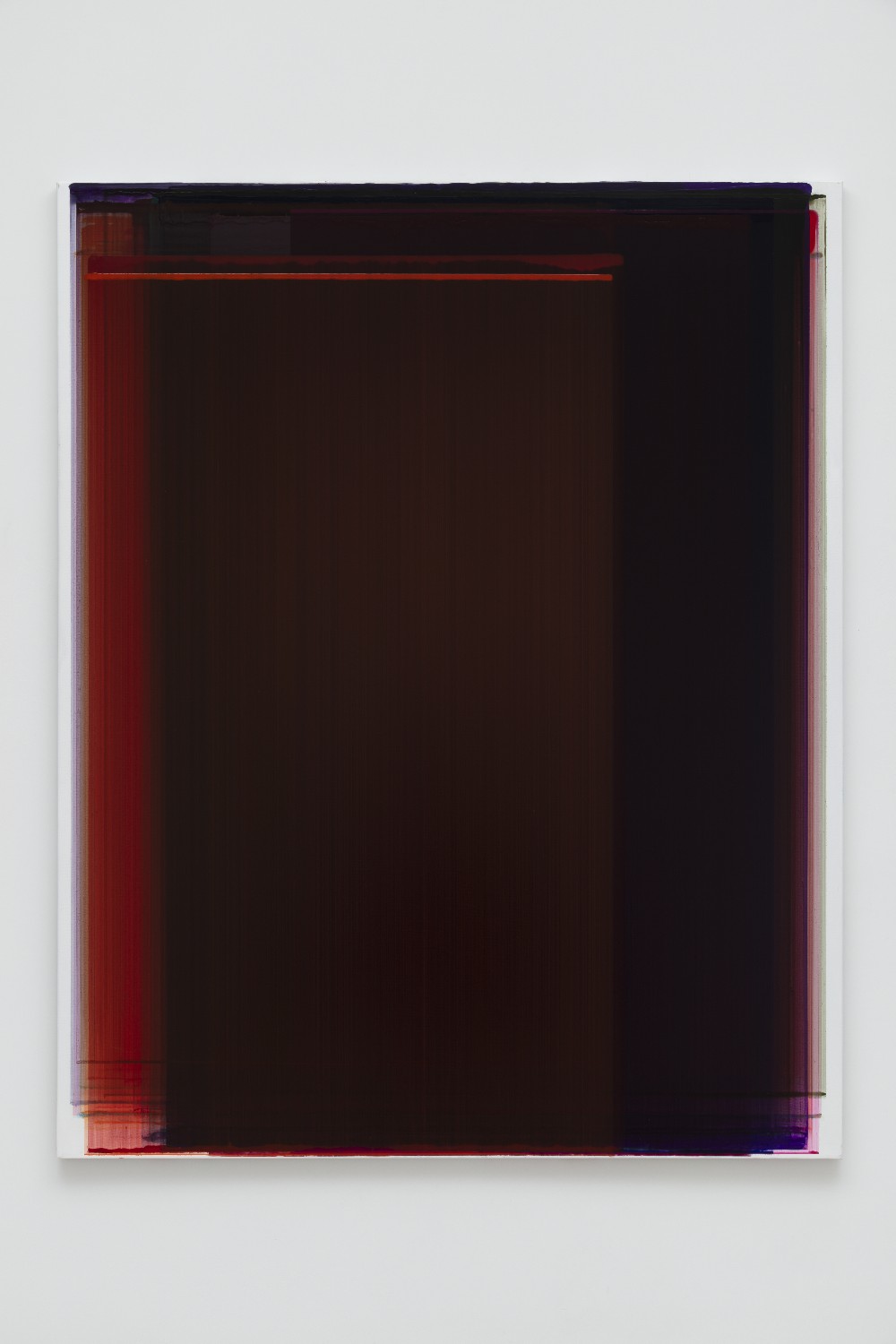
Layered Painting 100-24
2019 · Acrylic on canvas
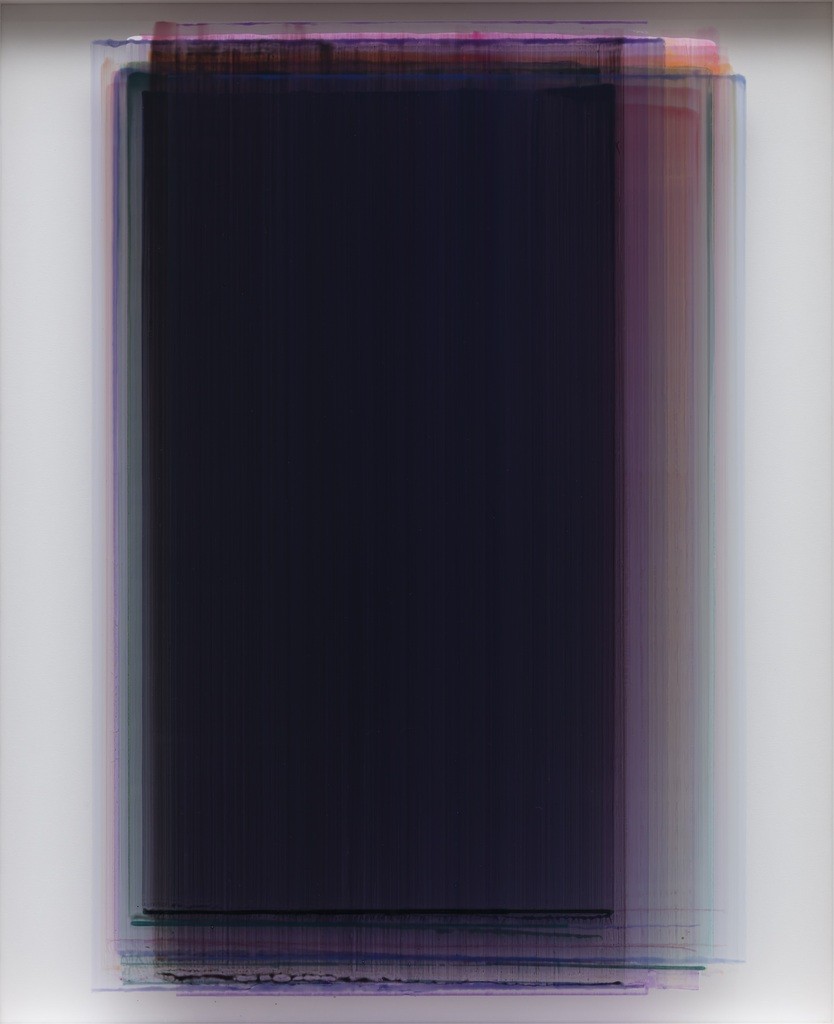
Layered Painting G2
2019 · Acrylic on glass
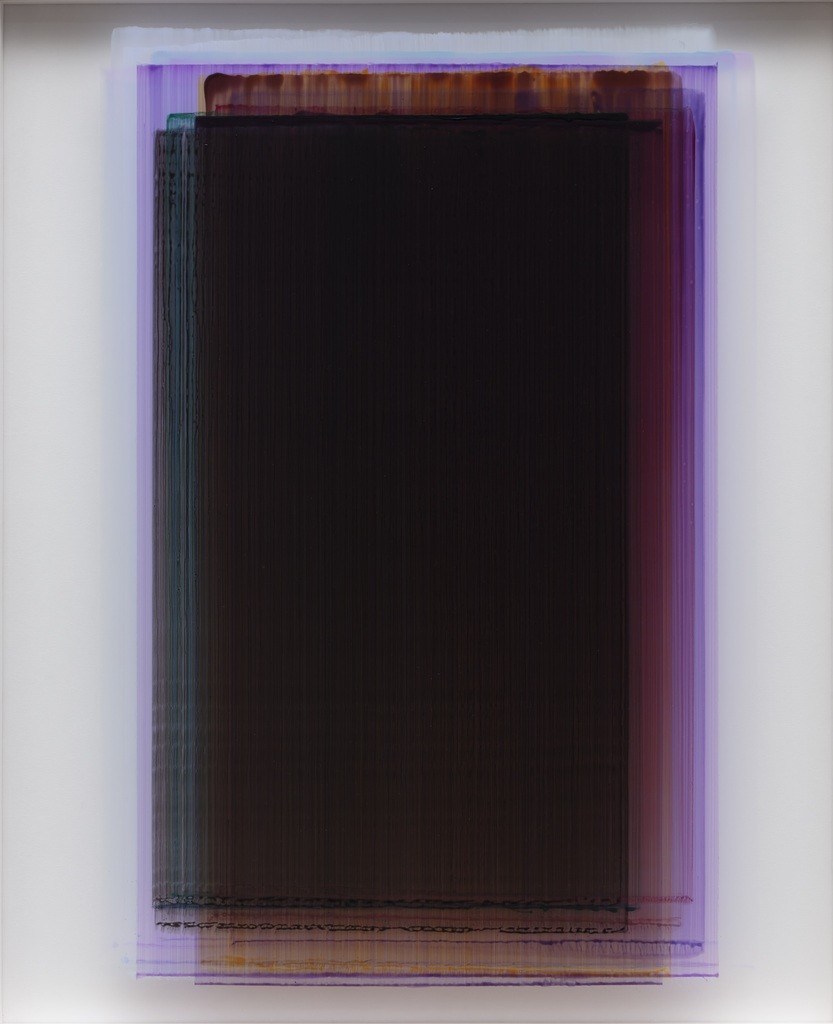
Layered Painting G1
2019 · Acrylic on glass
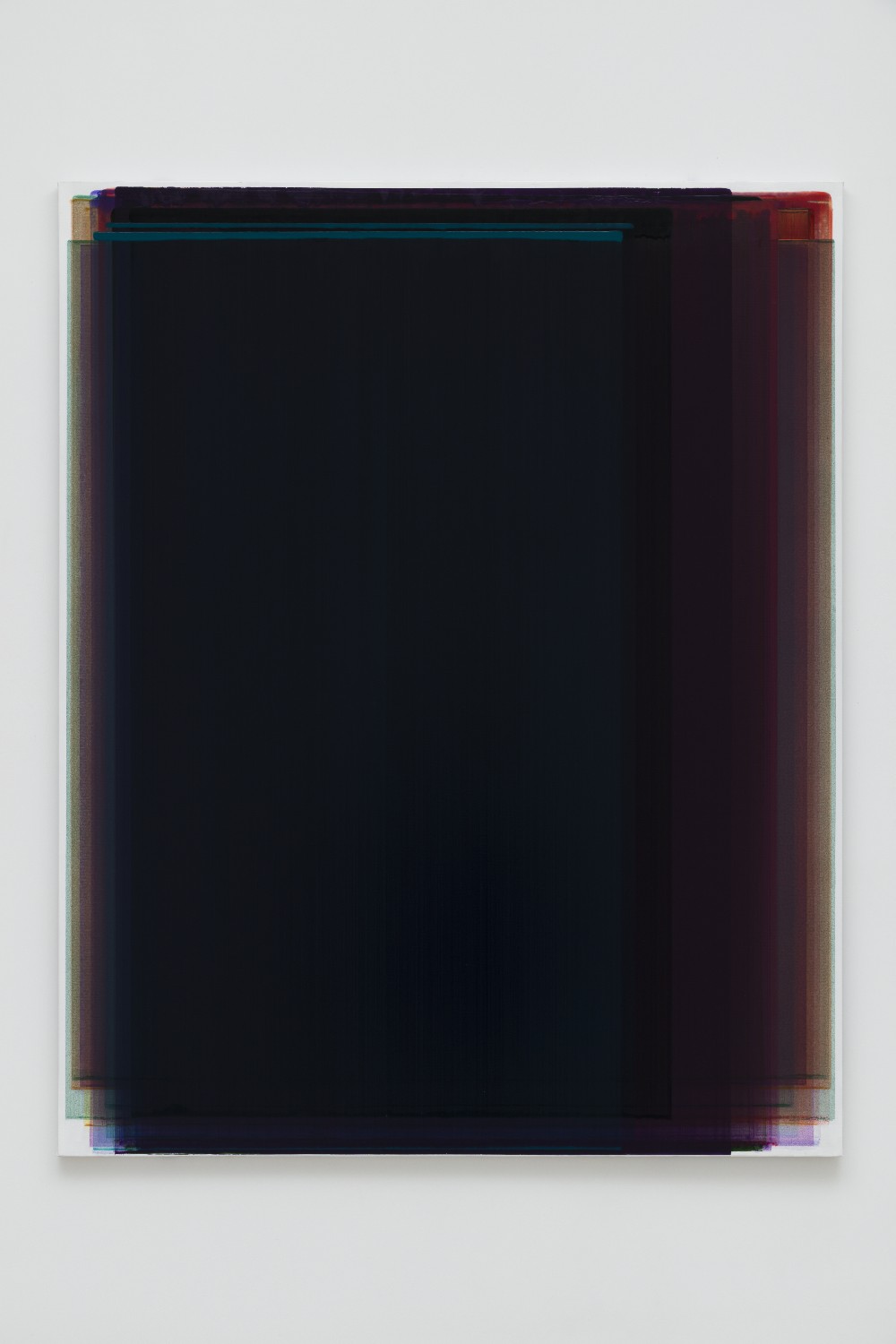
Layered Painting 100-27
2019 · Acrylic on canvas
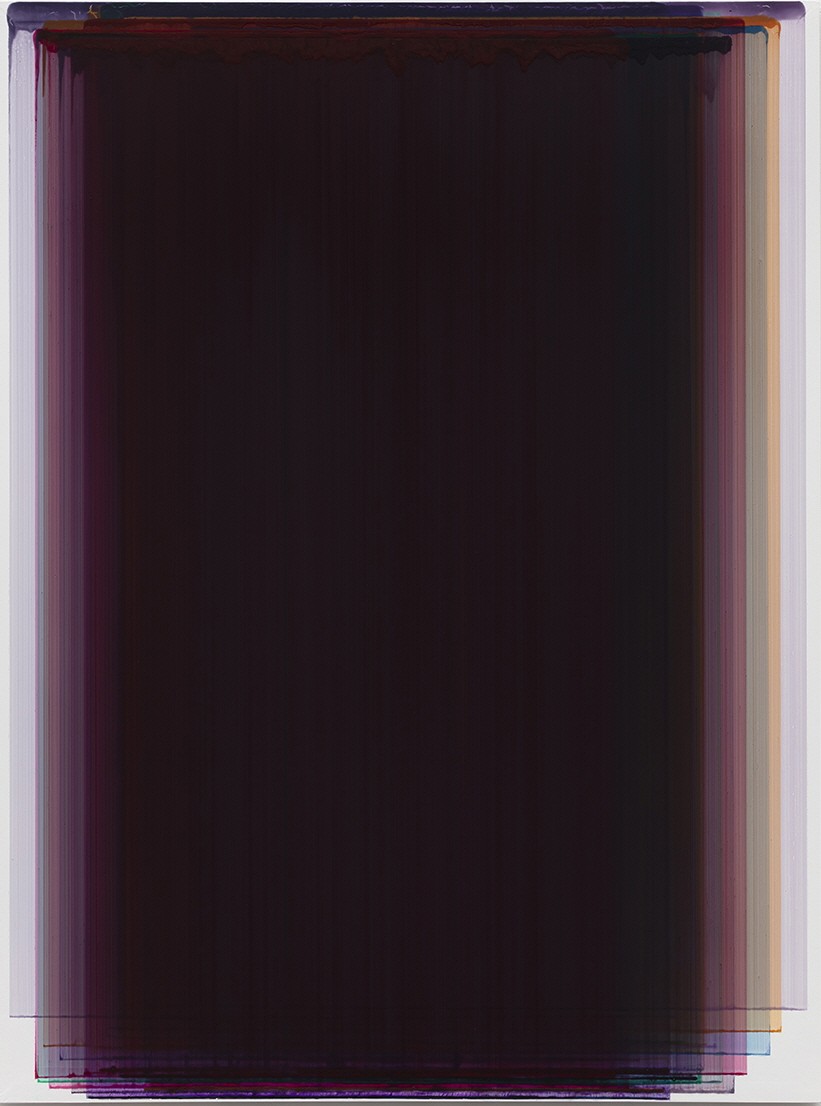
Layered Painting 130-10
2019 · Acrylic on canvas
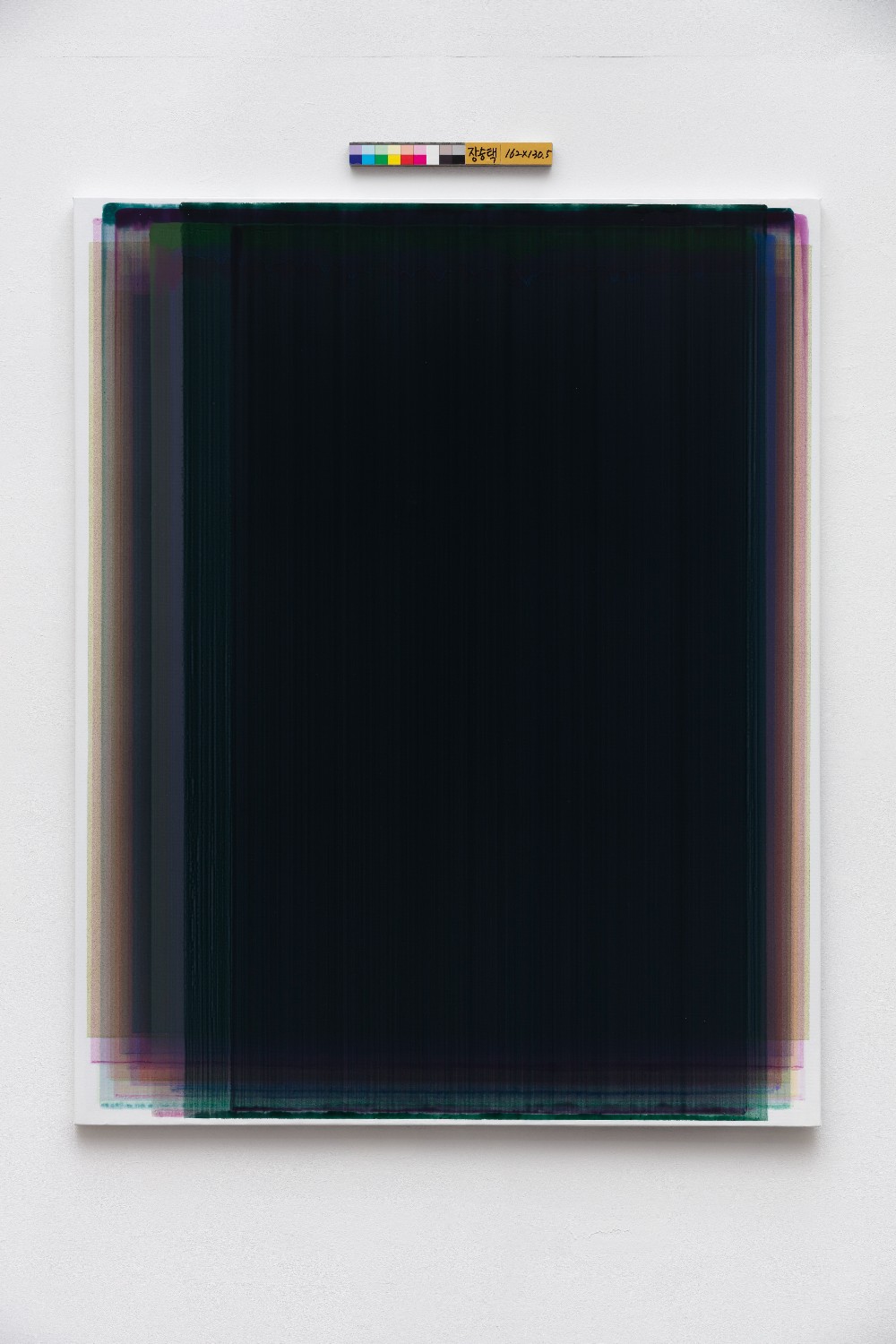
Layered Painting 100-49
2019 · Acrylic on canvas