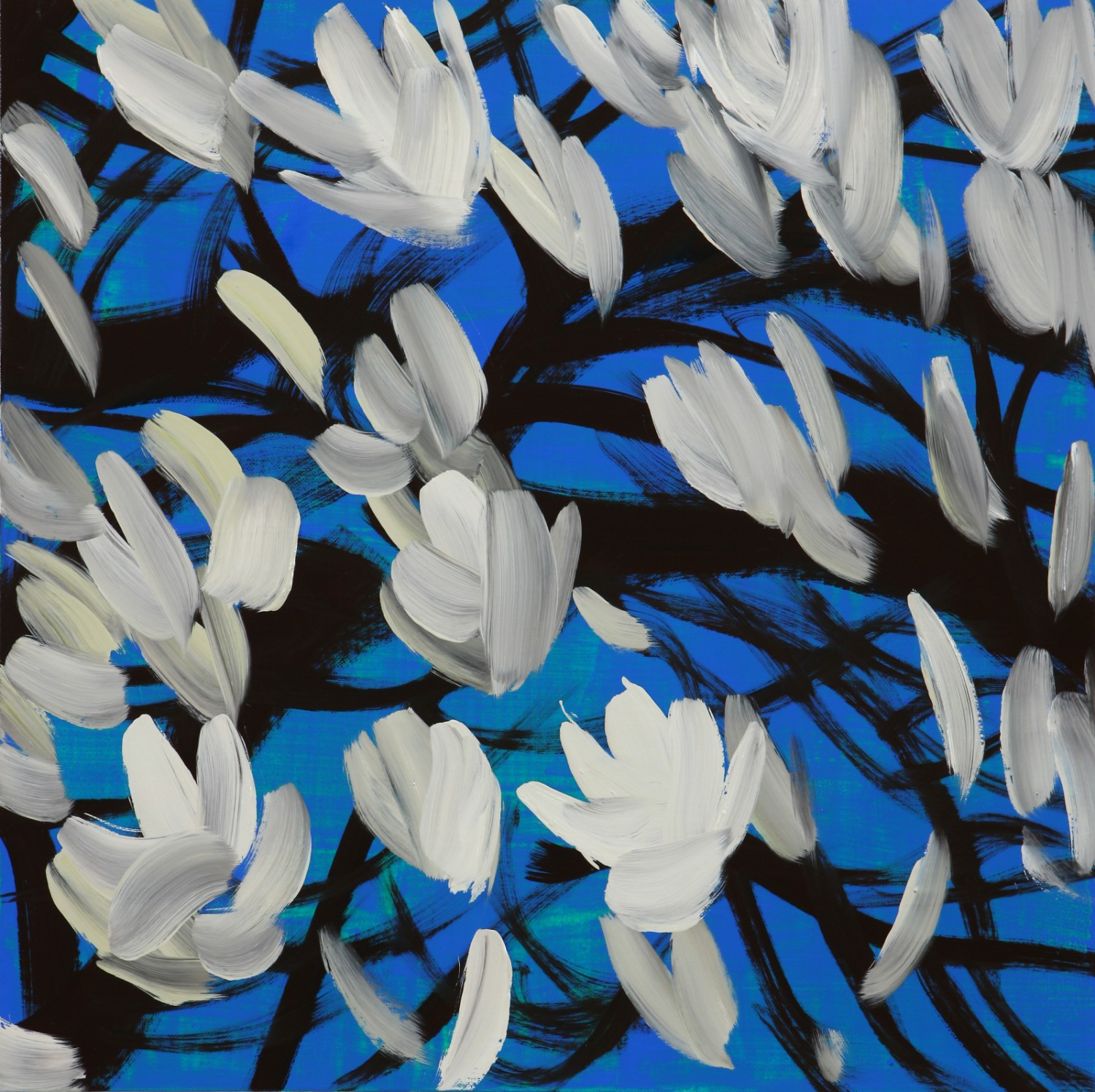
Zikseong Jeong
Seoul, South Korea, b. 1976
Biography
For Jeong Zik Seong, the two-dimensional canvas is an aesthetic extension for paint and brush maneuvering and a platform to express her concerns on societal issues. Painting, this traditional art medium, had become Jeong's intrigue and tool to reflect on since she was five. Drifting between abstraction and realism, Jeong's works always reveal the painter's disquiet on social inequality, attribution of Korea, and the uneasiness of being a female artist. Semidetached Houses are Jeong's first painting series that came to be known to the public; produced in 2002, the series is an abstract representation of gentrification in Seoul. Set in a monotone of burgundy, the seemingly deconstructed and reconstructed features of stairs, roofs, and blocks of architecture are abstract and geometric representations of the hillside row houses inhabited by people experiencing poverty. The abstract brushstrokes of urban landscapes became her signature style for expressing the entangled emotion of social injustice and hierarchy. Urbanization often casts a greater impact on the underprivileged ones. Living in the accelerated urbanized Seoul, Jeong is inevitably confronted with the inconvenience brought by the gentrification; and had to move and find an affordable place to rent; unwilling relocation happened not just once but more than 40 times. This debuted series reveals that the attribution of the minjung style is the essence of Jeong's practice. Often translated as 'people,' minjung in the Korean context usually refers to those who are oppressed politically, exploited economically, marginalized sociologically, despised culturally, and condemned religiously. The notion is derived from the series of Minjung Movements of Korea in the 1970s and 1980s, which were protests of people and students against Park Chung-hee's and Chun Doo-Hwan's dictatorships. During the Minjung Movement, visual expressions, such as slogans and signage, were produced by artists in the protests; they were later developed into minjung art styles, which refer to artists utilizing art to respond to the social-political milieu of the time. Minjung art sees many mediums, including oil painting, woodblock print, collage, photomontage, and readymade; the art is primarily figurative and realistic maneuvers. Jeong's paintings are rarely realistic apprehensions, yet they share the intention of minjung art of advocating for the unheard and disadvantaged. Her experience of unwilling removal transpired into another two-painting series, namely Blue Collar/Blue Color (2009 - 2010) and Construction Site Abstract (2010 - 2014). The notion of blue in Blue Collar/Blue Color is a two-fold connotation; the blue, on the one hand, refers to the working class - the blue-collar - the color, on the other hand, denotes the melancholic and exploited life of the working class in the social hierarchy. The blue mechanical features a feeling of denseness and obliteration, resonating with the predicament of being marginalized during urbanization and industrialization. Those in the lower places of the social hierarchy often strive to be marginalized or even invisible; this notion of erasure is informed in Construction Site Abstract. The series is laden with traces and architectural abstractness of drawing and erasing, which, to Jeong, is an interpretation of deconstruction and reconstruction of redevelopment areas in Seoul; the removal and relocation of people, who often have less capacity to negotiate, are in some sense being erased from the urbanization and marginalized. Gender inequality is another underpinning of Jeong's painting. The abstractness and the utilization of monotone color in the series of Semidetached Houses and Blue Collar/Blue Color is the painter's reflection on the male-dominant art history, namely the abstract expression art and dansaekhwa (monochrome painting) in Korea. The two significant prevalences in Korean art history are represented entirely by male artists; Jeong tried to break the historical boundary that shut away female artists by applying the styles in her paintings. The concept of non-conforming is informed once again in Jeong's later series Contemporary Mother-of-Pearl Paintings, which goes beyond Jeong's iconic practice of pure painting and combines mother of pearl - a crystallized mineral compound that forms on the inner seashell layer - and painting as collage. On the surface of the collage painting, Jeong depicts the traditional symbols, such as willow and mandarin duck, in realistic attribution with the mother of pearl; the conventional symbols, however, are set against an abstract backdrop. The amalgamation of various notions and mediums is her exploration of tradition, craft, and medium; the painter always emphasizes that the idea of Korea is always the main subject in her artistic exploration, be it social-political changes, urbanization, and other significant issues concerning Korea.
Selected Works
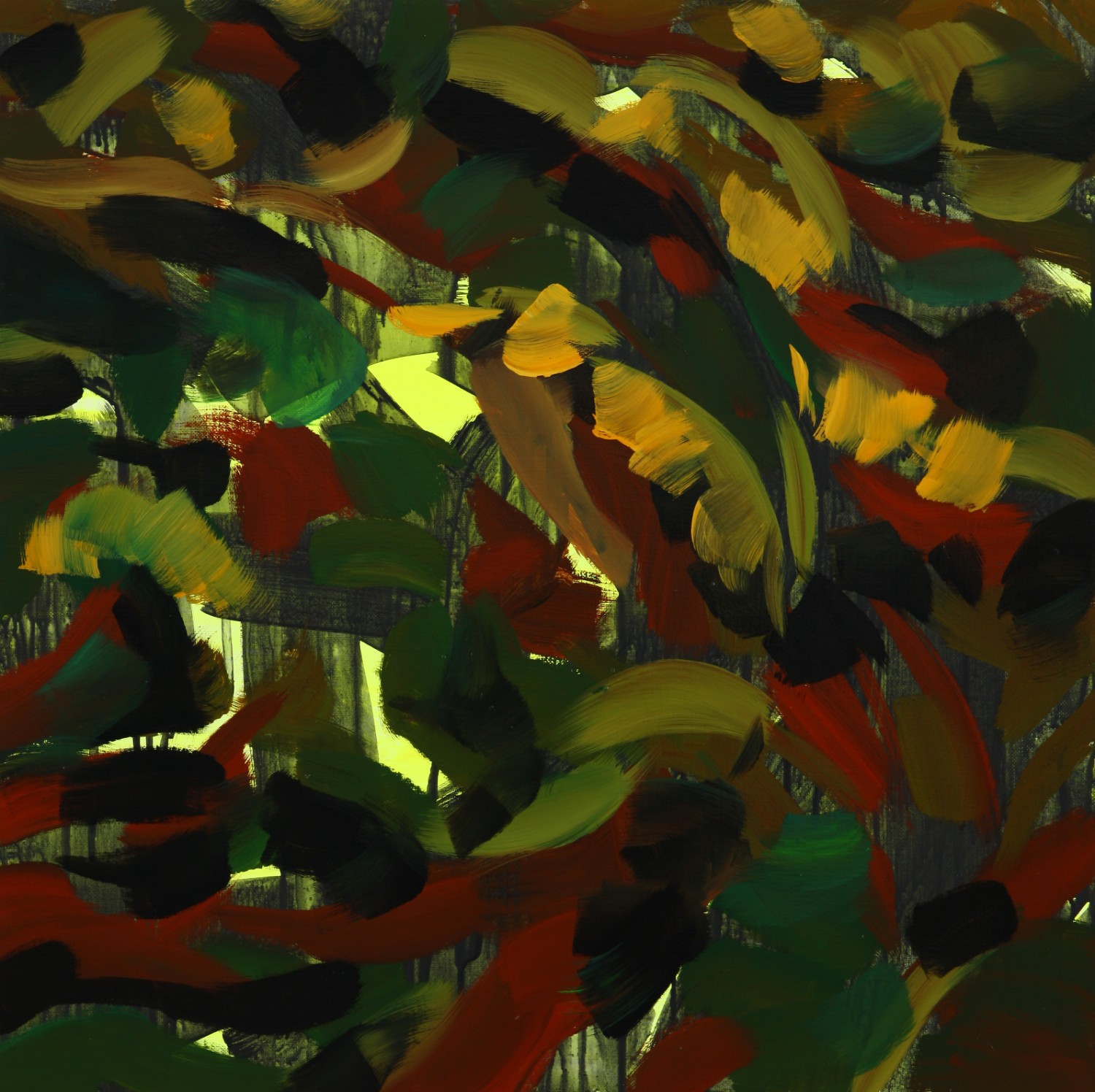
Sunflowers 202311
2023 · Acrylic and oil on canvas
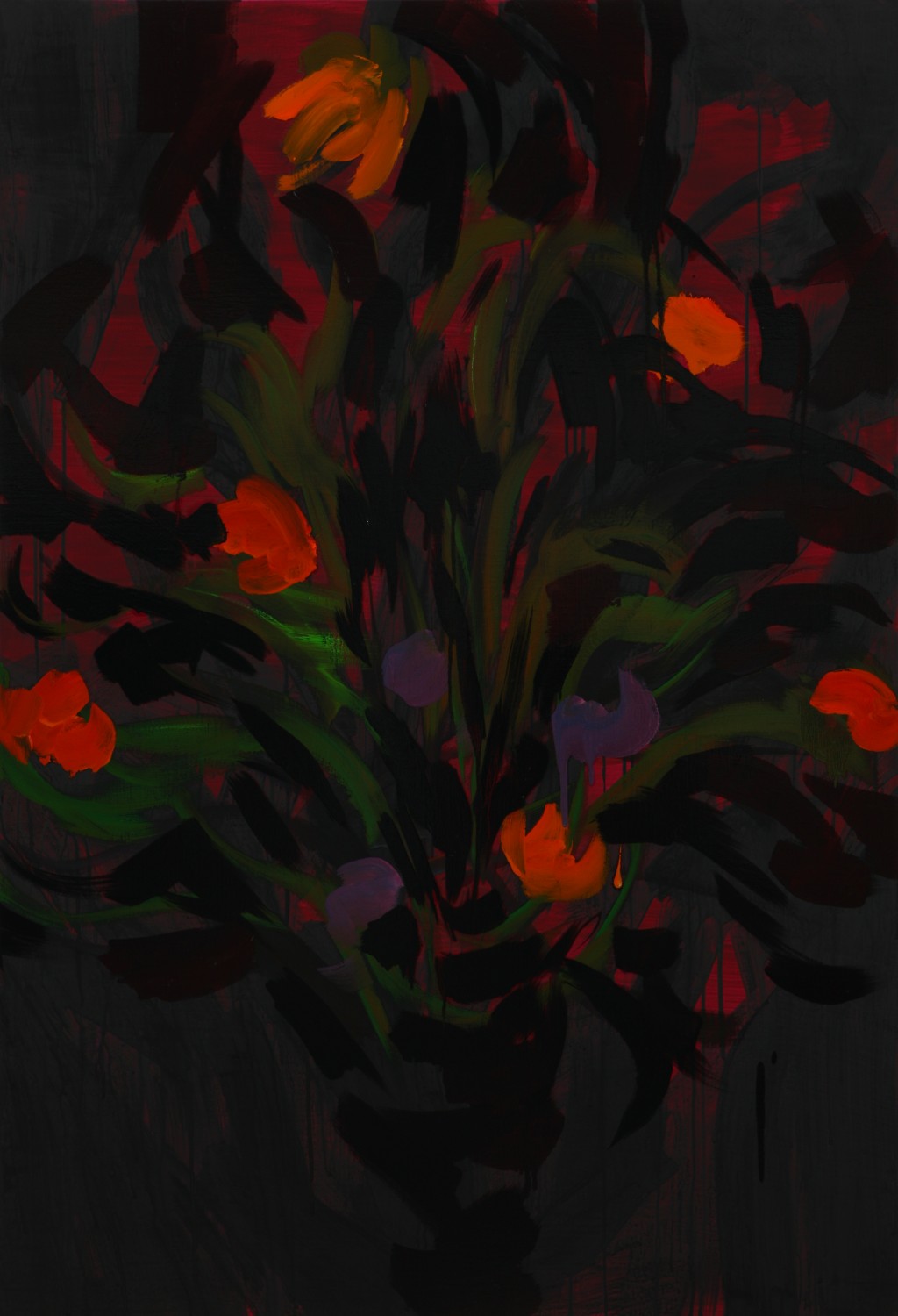
Black Flowers 202305
2023 · Acrylic and oil on canvas
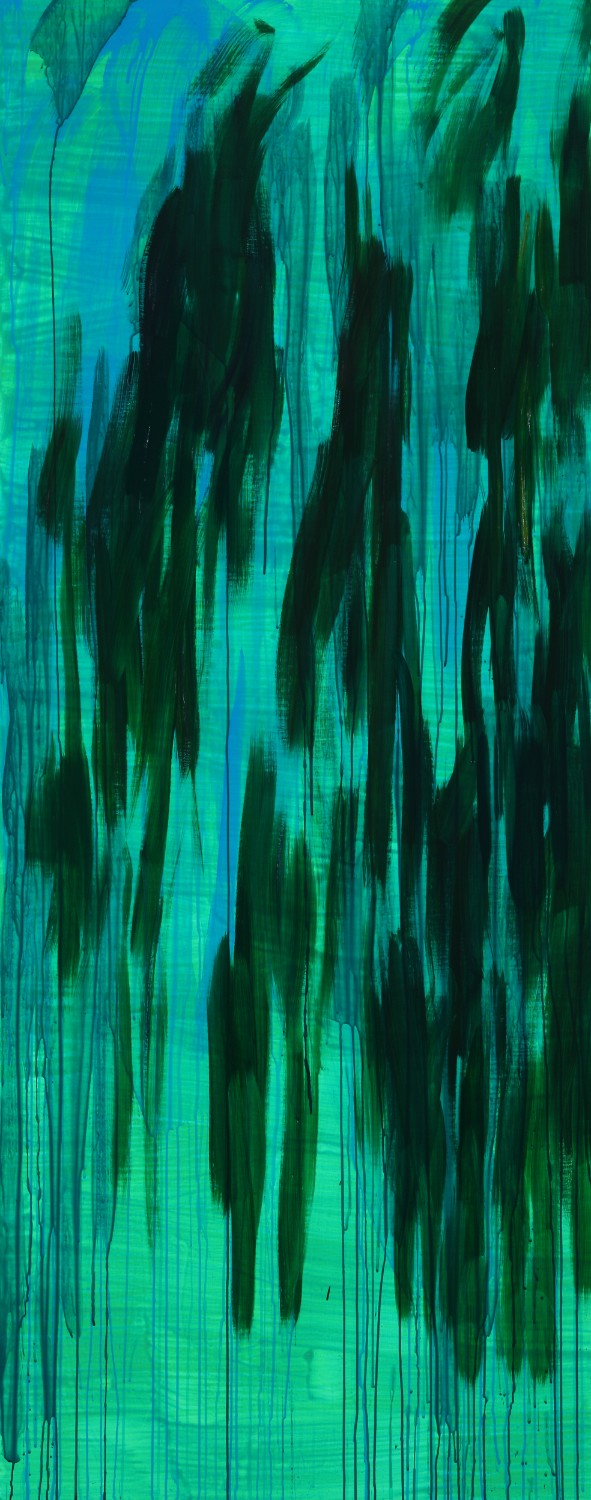
Willow In The Rain 202333
2023 · Acrylic and oil on canvas
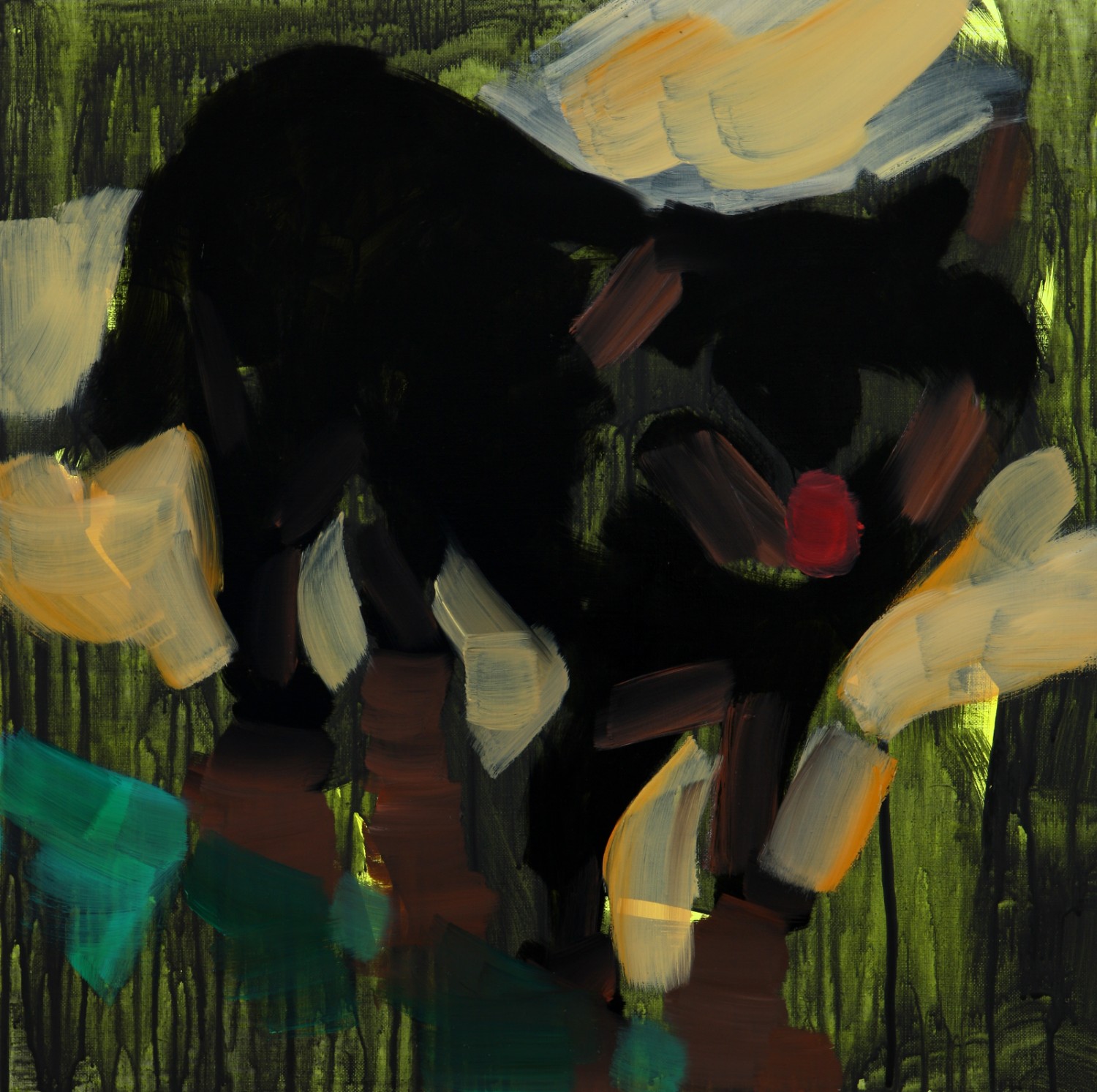
My Black 202312
2023 · Acrylic and oil on canvas
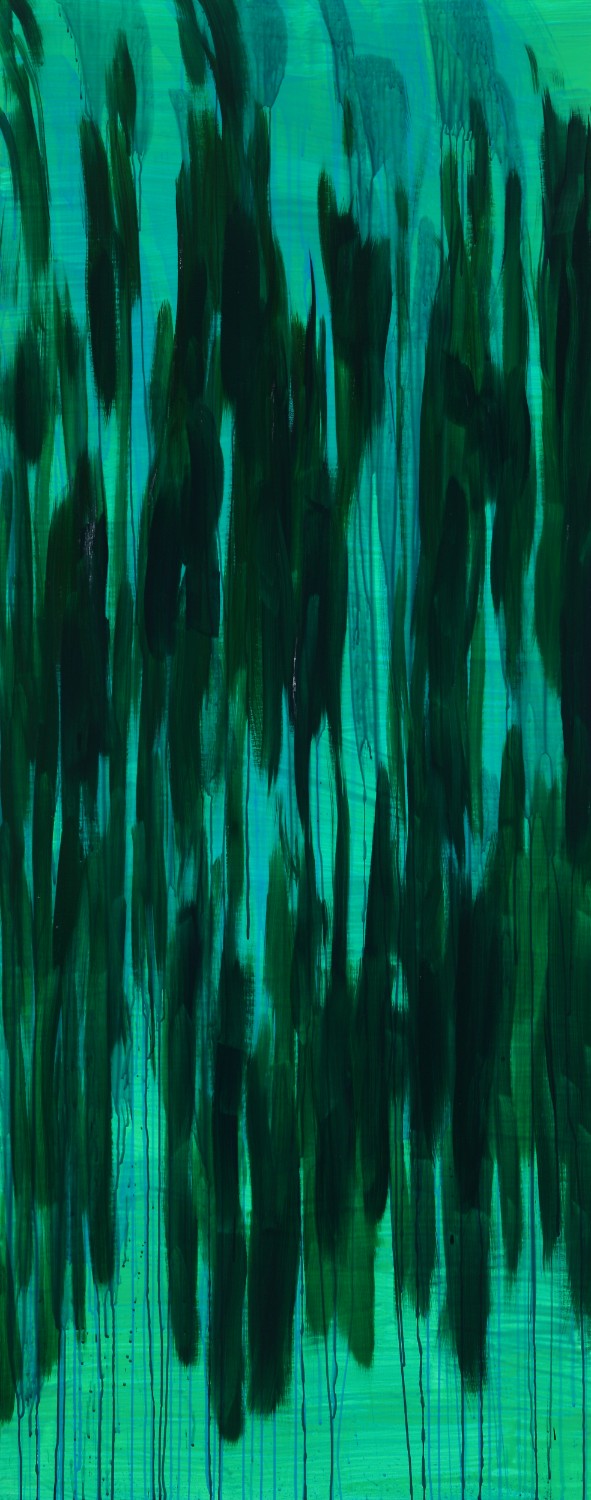
Willow In The Rain 202334
2023 · Acrylic and oil on canvas
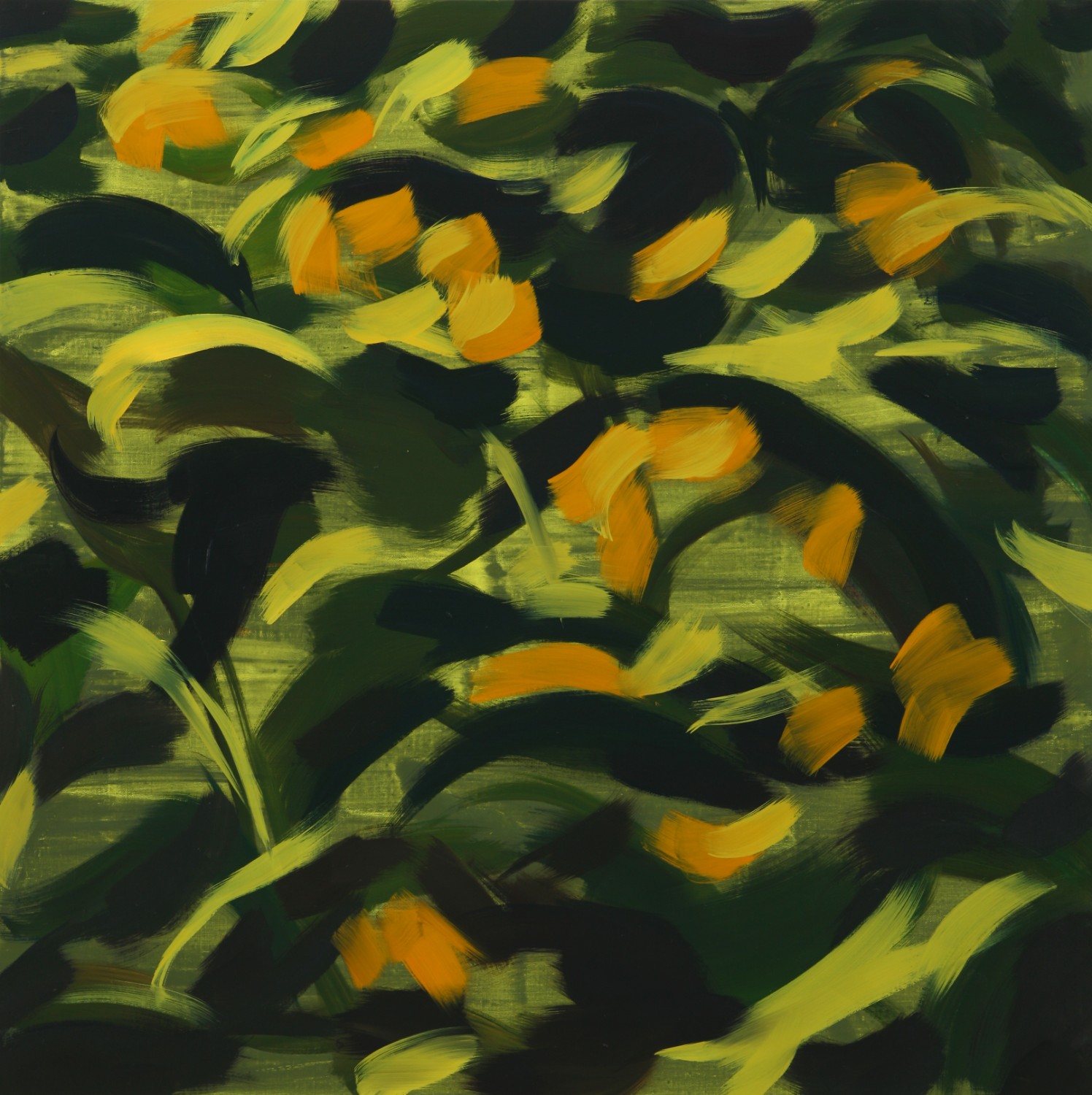
Sunflowers 202320
2023 · Acrylic and oil on canvas
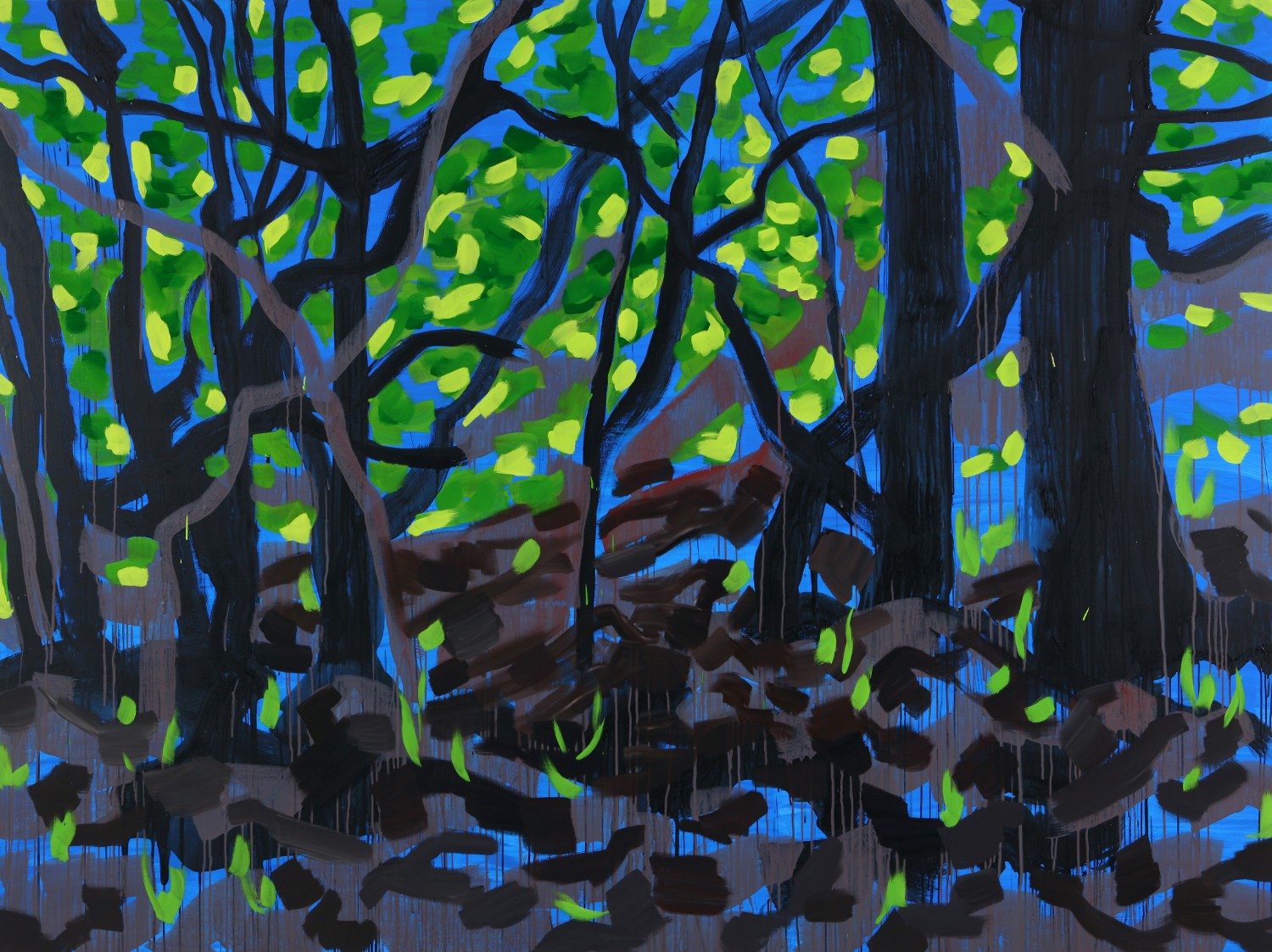
Forest After Burn Again 202335
2023 · Acrylic and oil on canvas
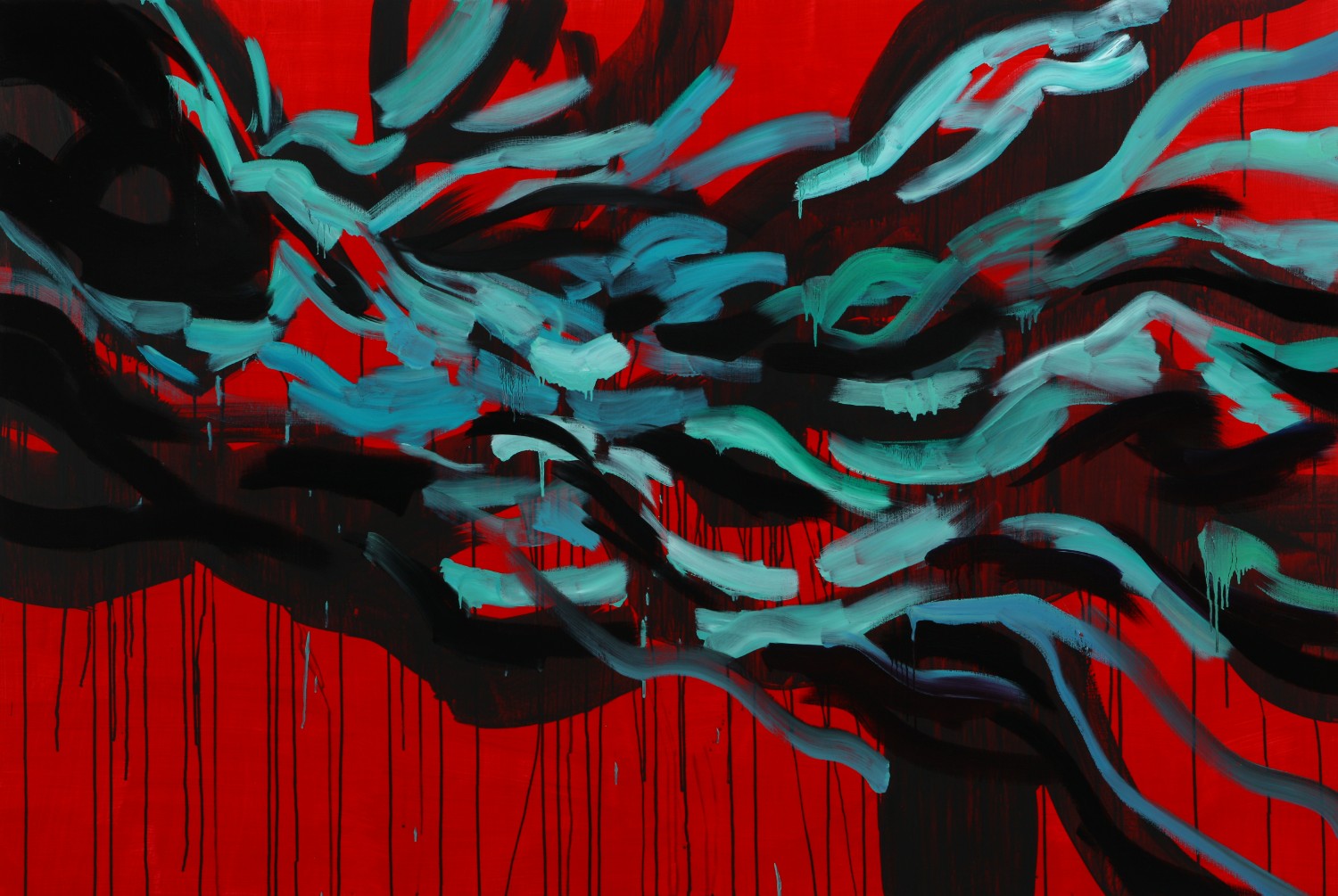
Dragon 202301
2023 · Acrylic and oil on canvas
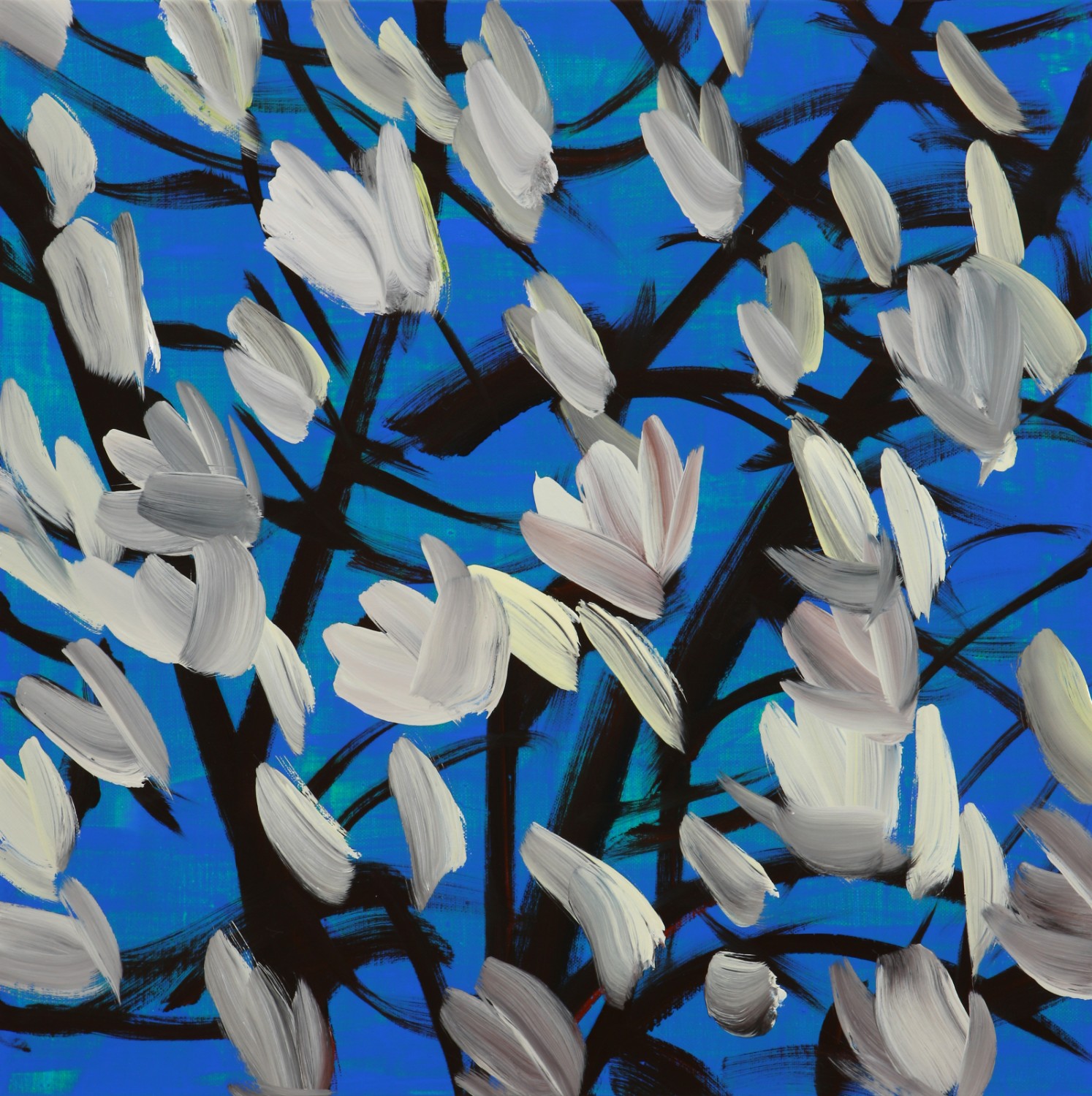
Magnolia 202309
2023 · Acrylic and oil on canvas
Magnolia 202310
2023 · Acrylic and oil on canvas
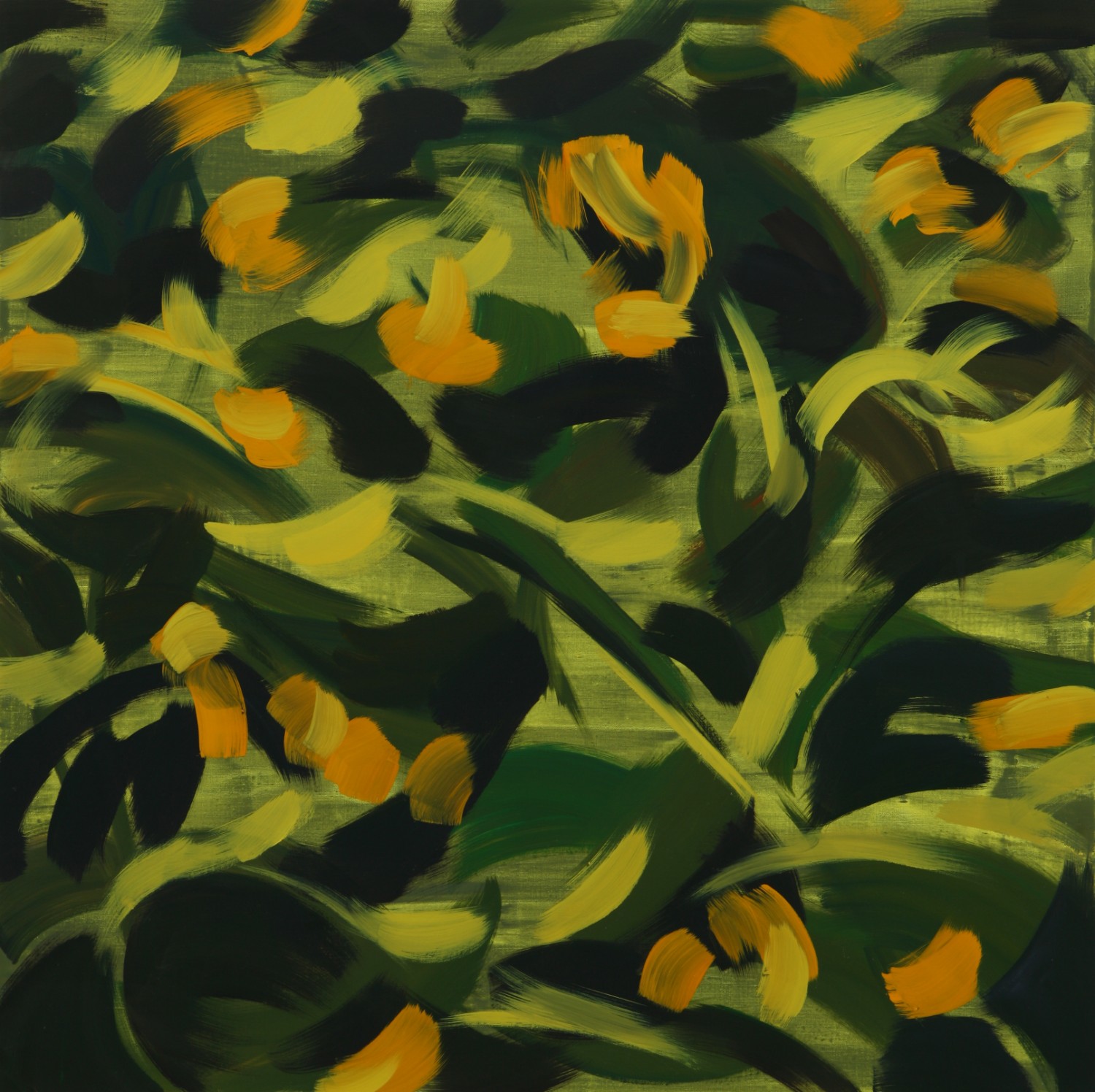
Sunflowers 202319
2023 · Acrylic and oil on canvas
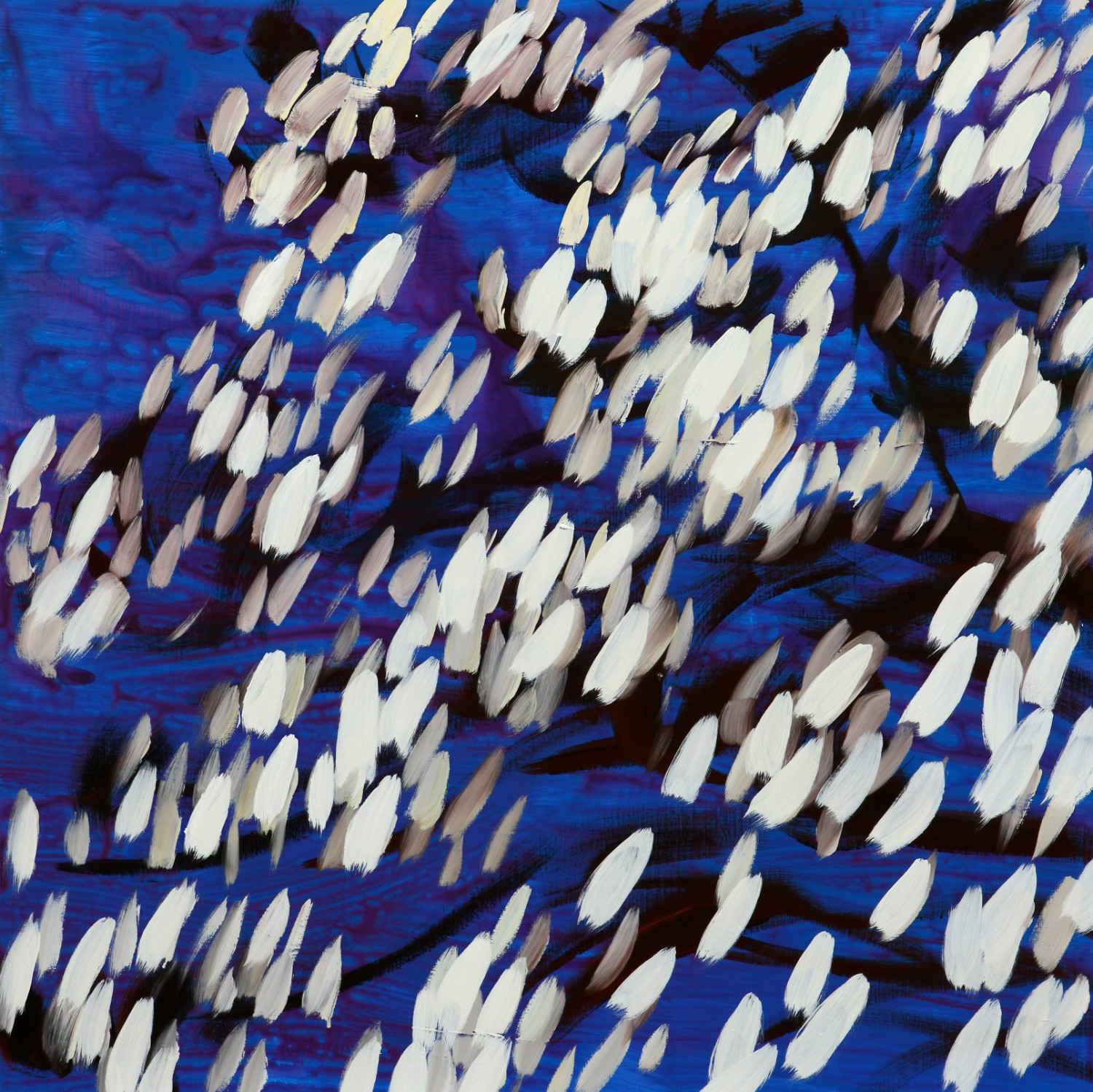
Magnolia 202306
2023 · Acrylic and oil on canvas
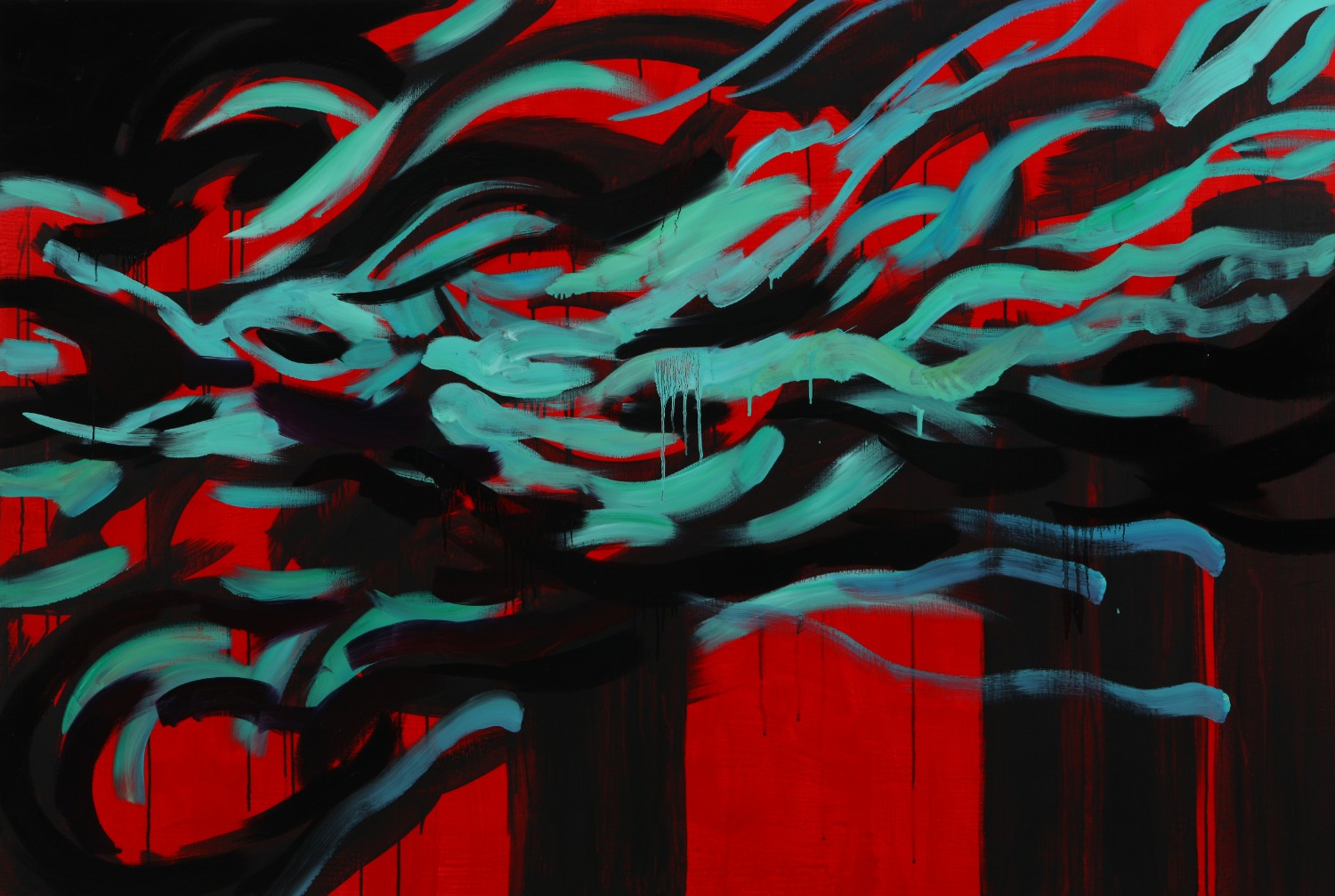
Dragon 202302
2023 · Acrylic and oil on canvas
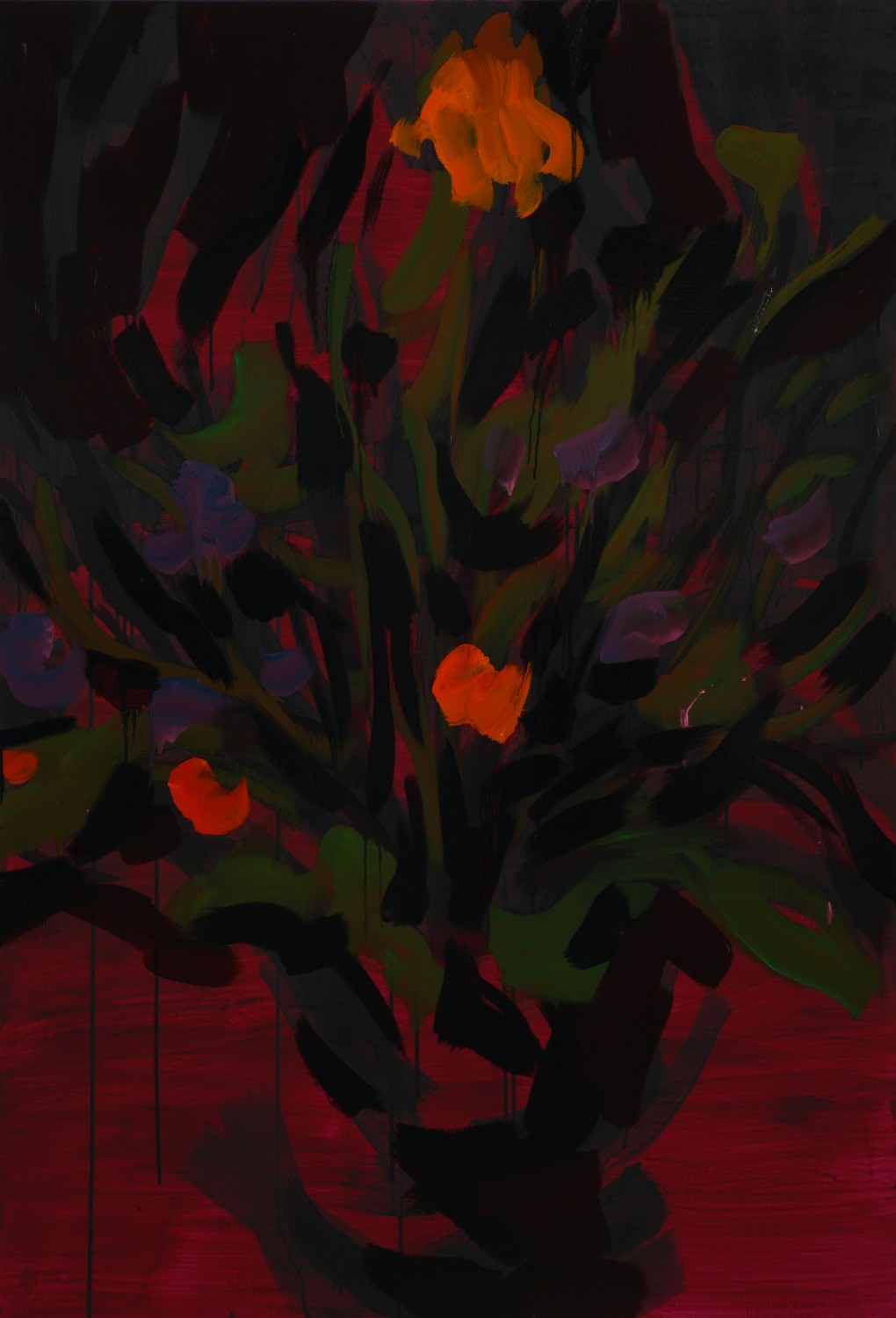
Black Flowers 202304
2023 · Acrylic and oil on canvas
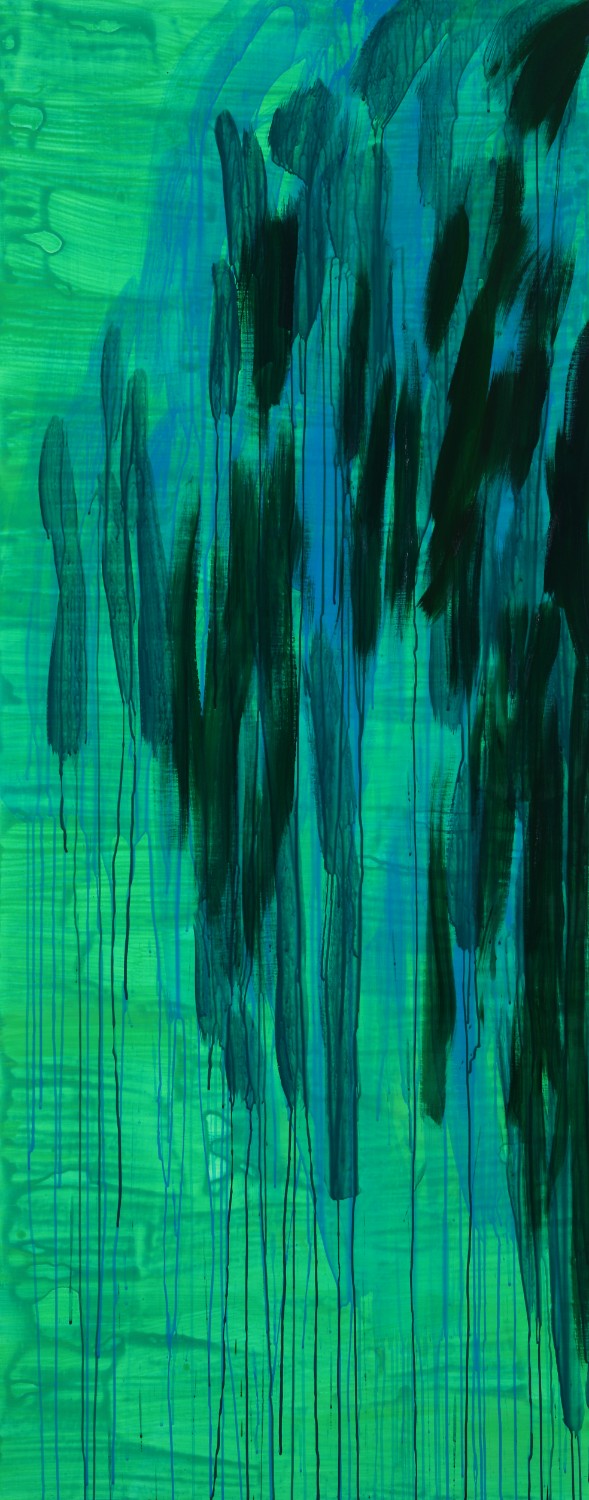
Willow In The Rain 202332
2023 · Acrylic and oil on canvas
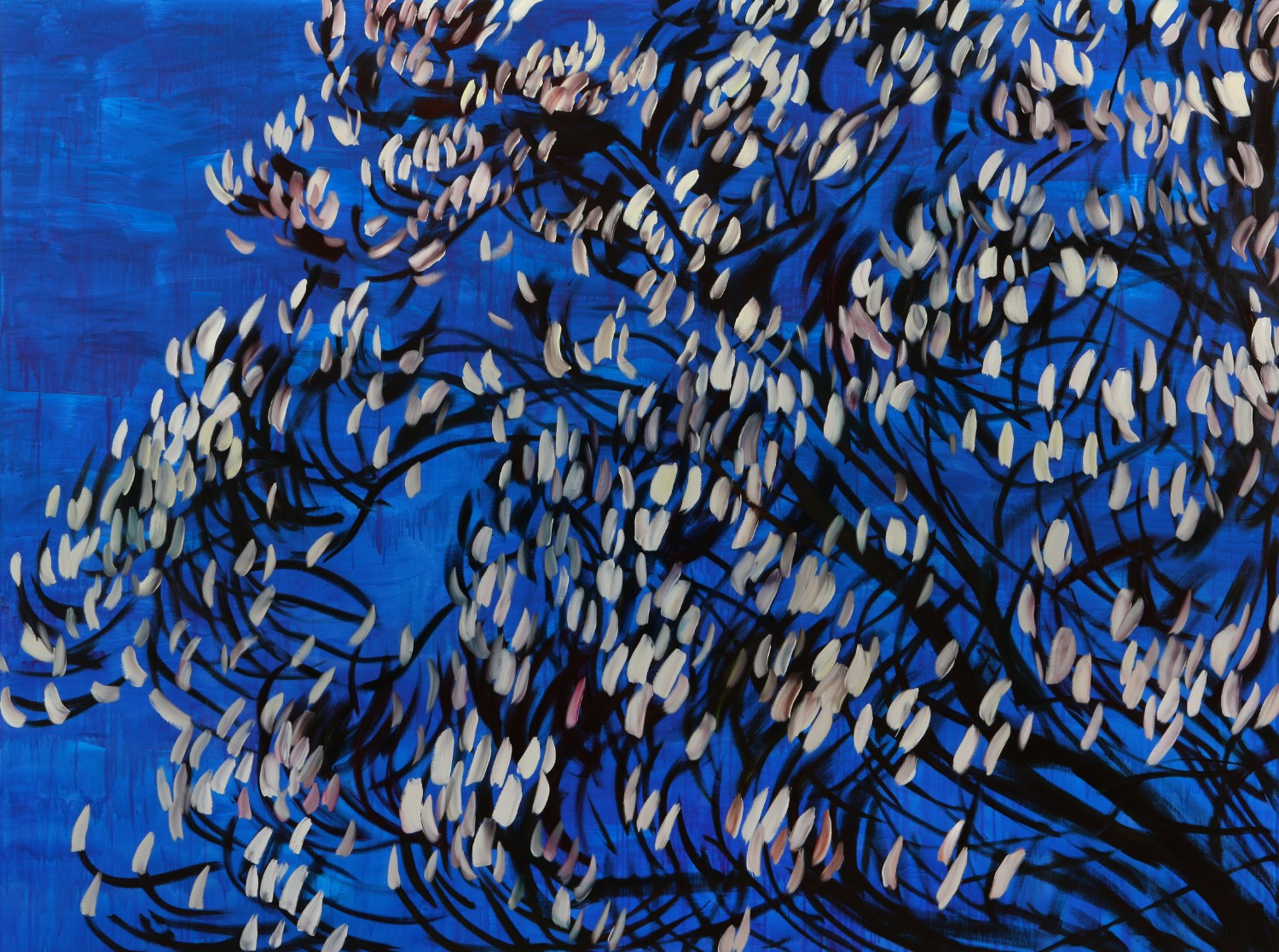
Magnolia 202308
2023 · Acrylic and oil on canvas
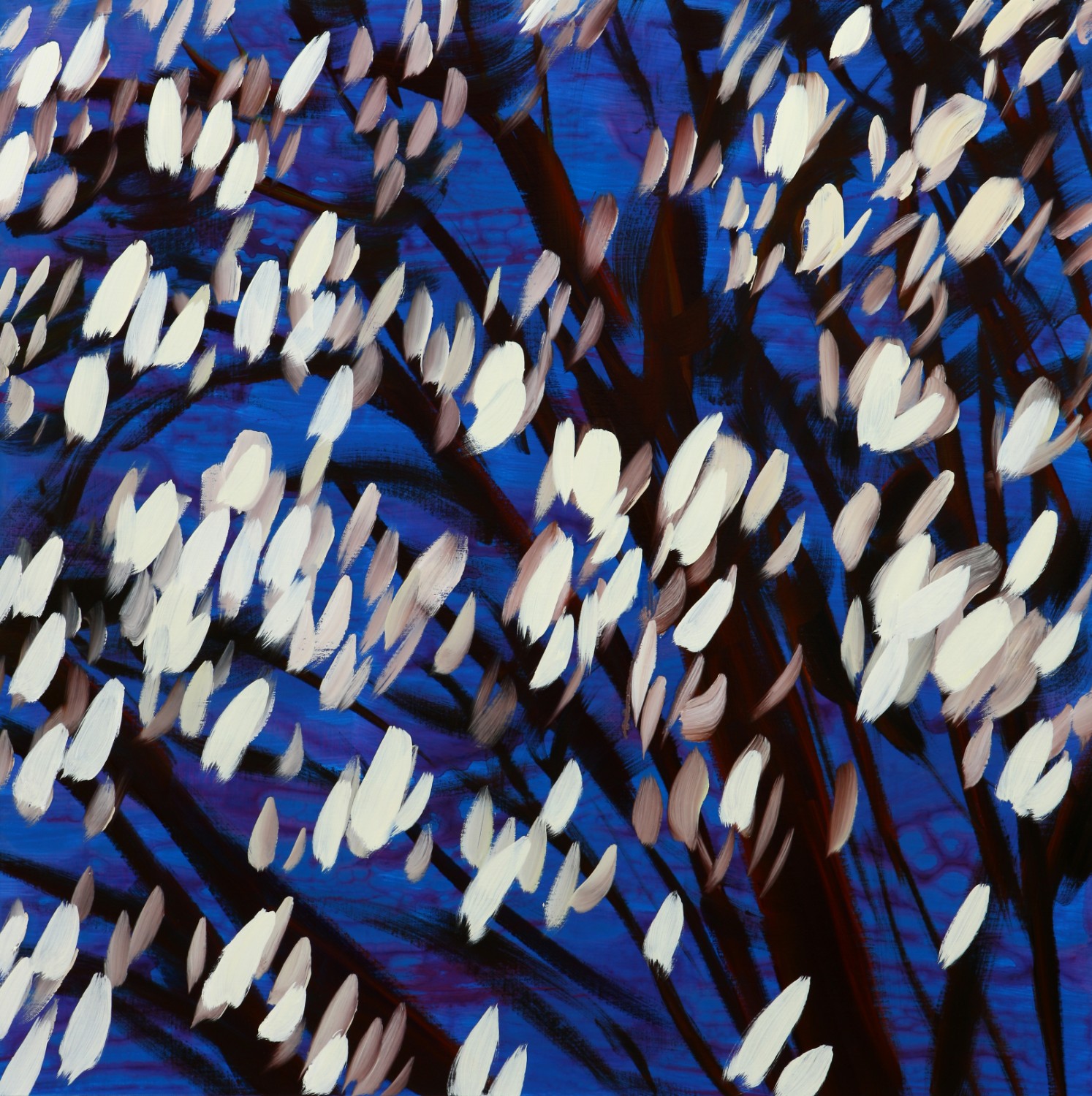
Magnolia 202307
2023 · Acrylic and oil on canvas
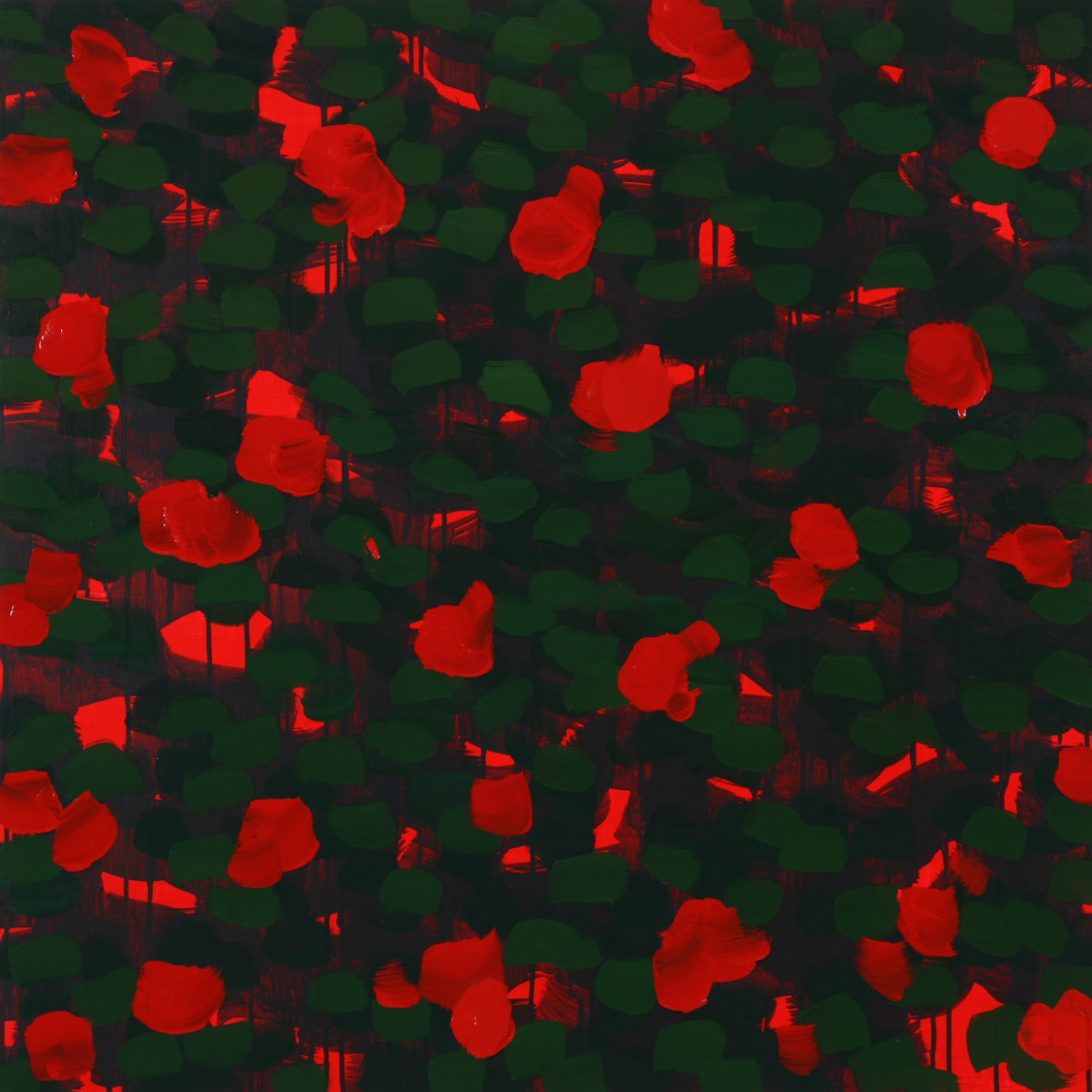
202250
2022 · Acrylic and oil on canvas
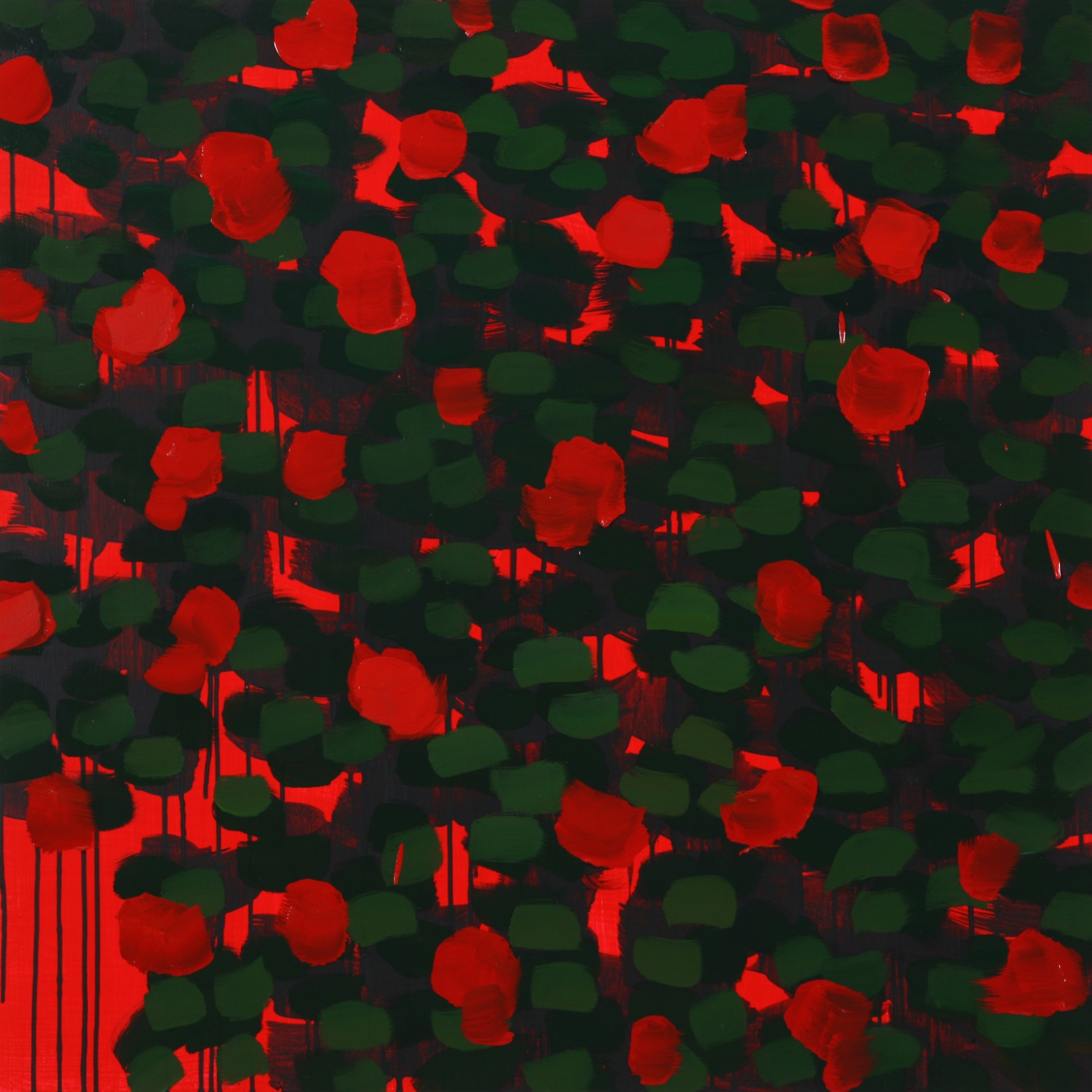
202249
2022 · Acrylic and oil on canvas
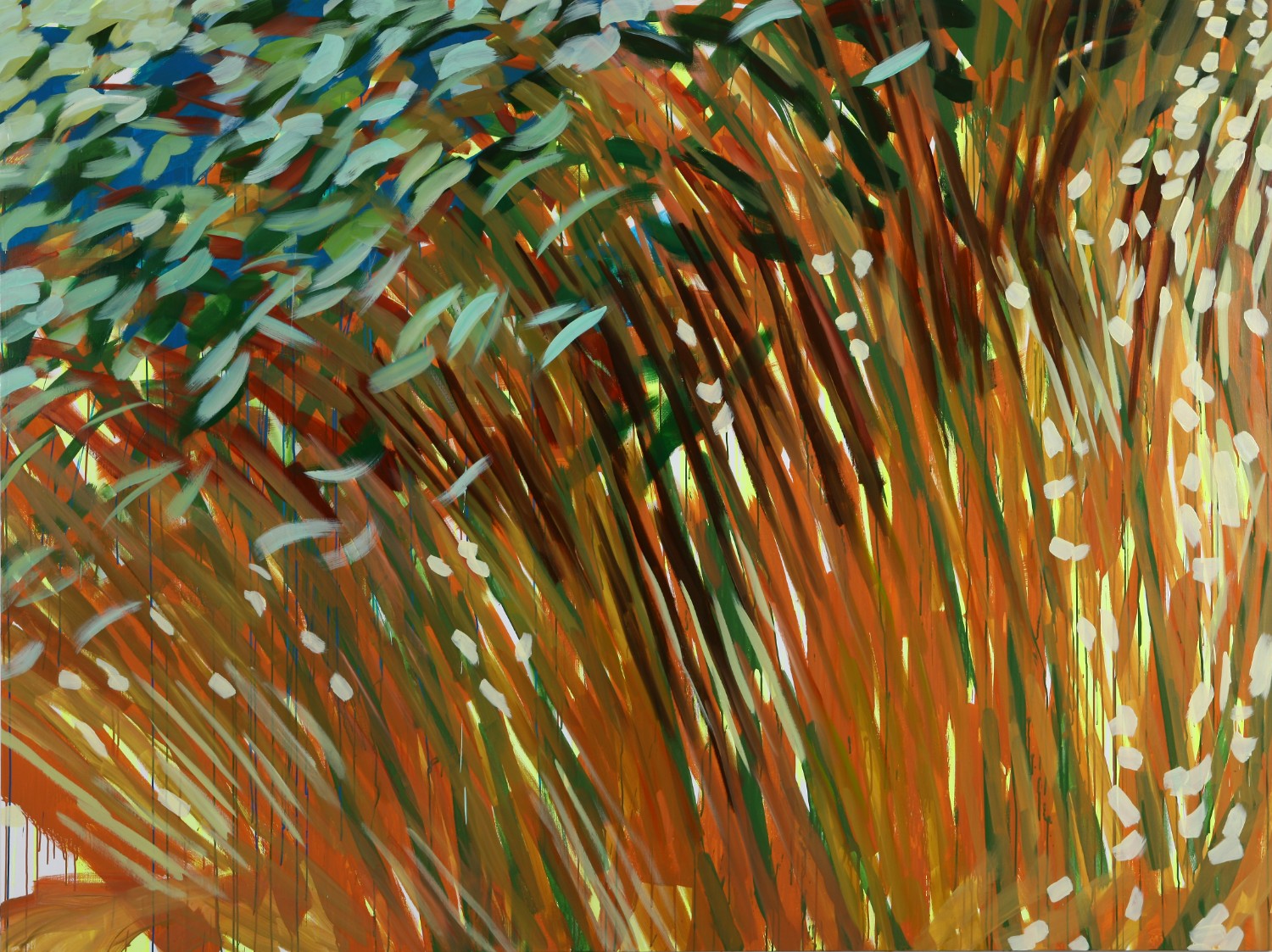
202241
2022 · Acrylic and oil on canvas
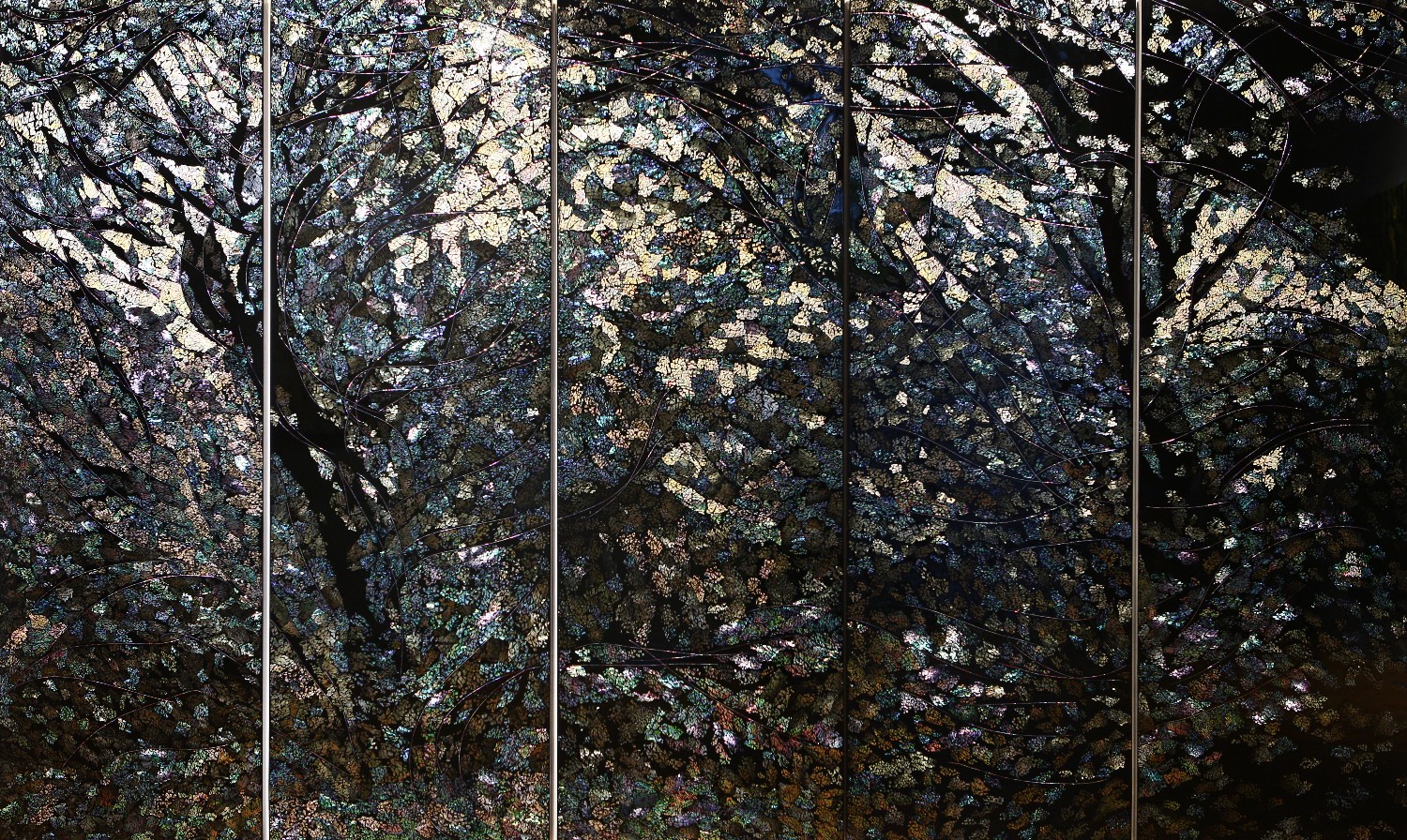
202141_202142_202143_202144_202145
2021 · Mother-of-pearl, hemp cloth on wood, natural lacquer
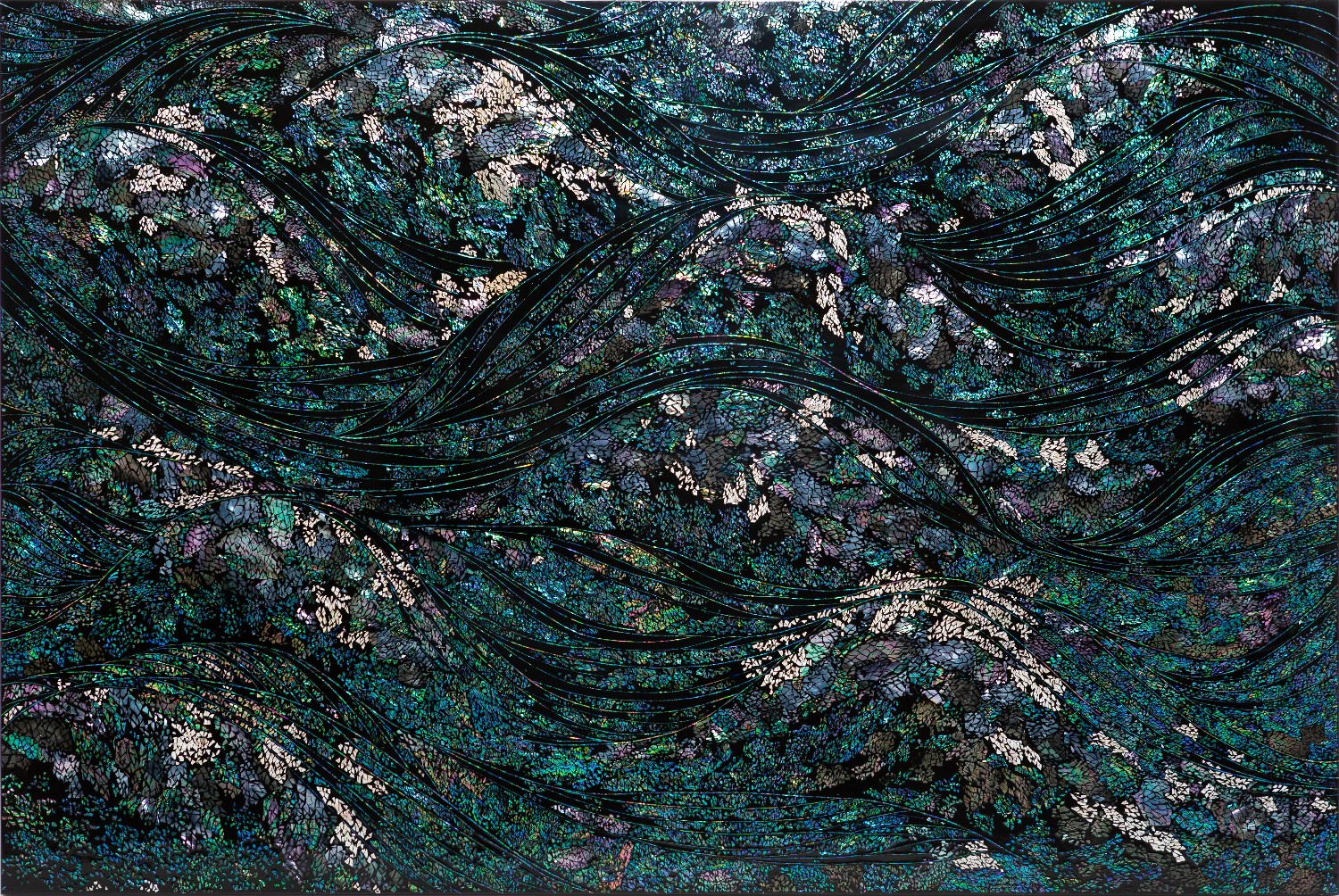
202015
2020 · Mother-of-pearl, hemp cloth on wood, natural lacquer
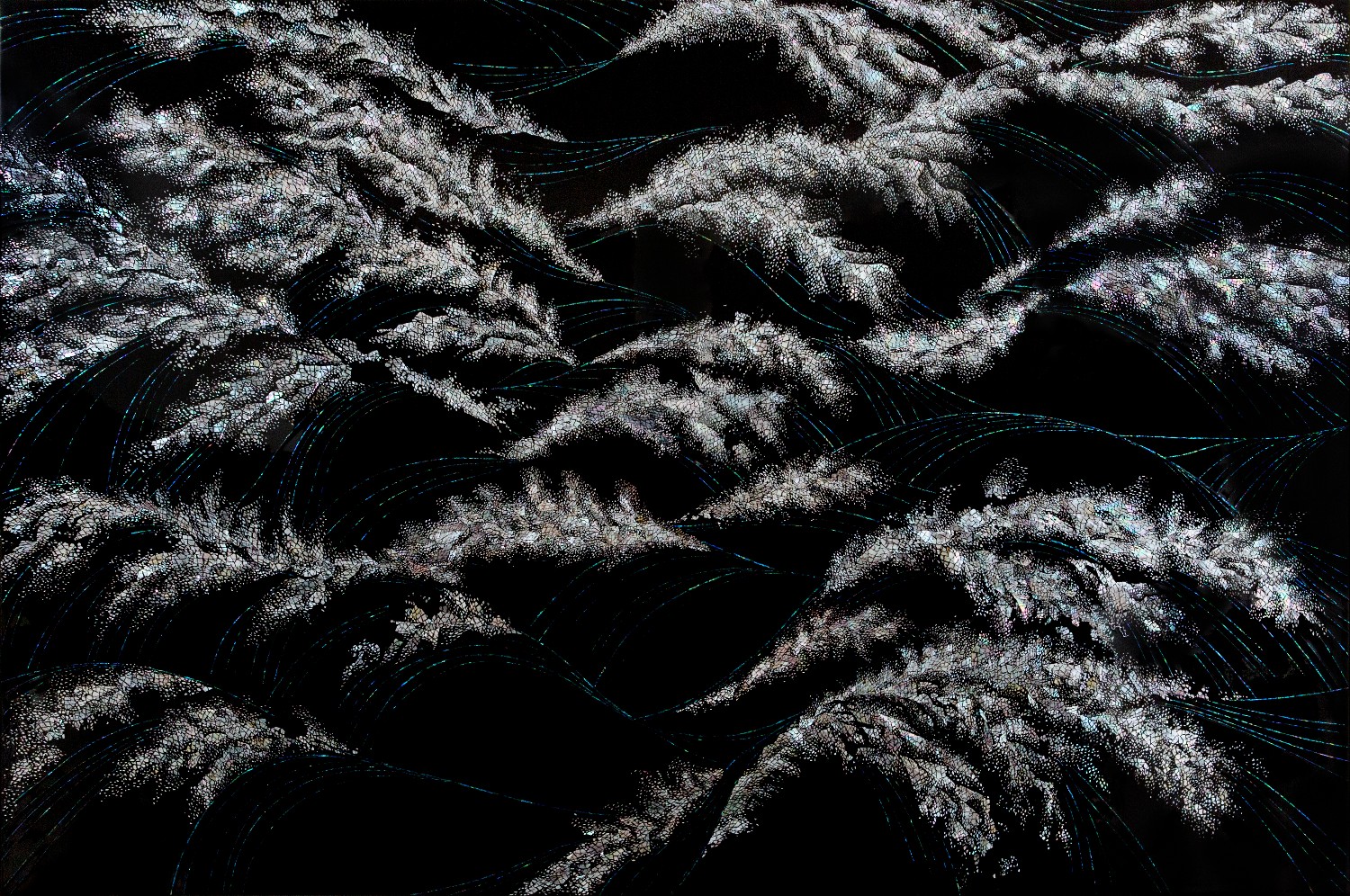
202001
2020 · Mother-of-pearl, hemp cloth on wood, natural lacque
202014
2020 · Mother-of-pearl, hemp cloth on wood, natural lacquer
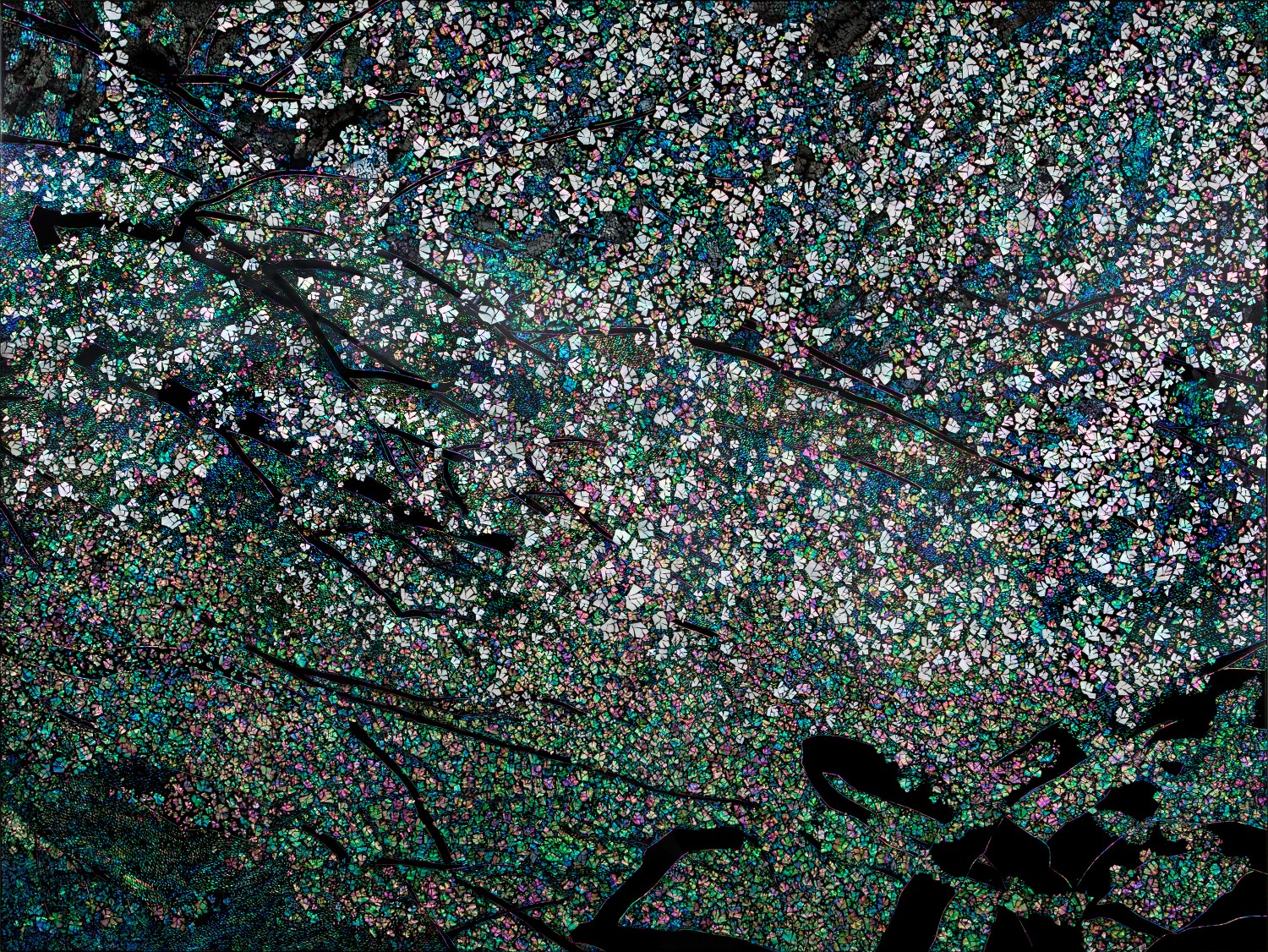
202011
2020 · Mother-of-pearl, hemp cloth on wood, natural lacque
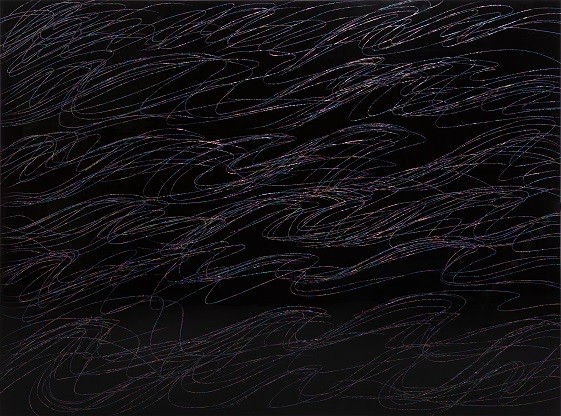
202020
2020 · Mother-of-pearl, hemp cloth on wood, natural lacquer
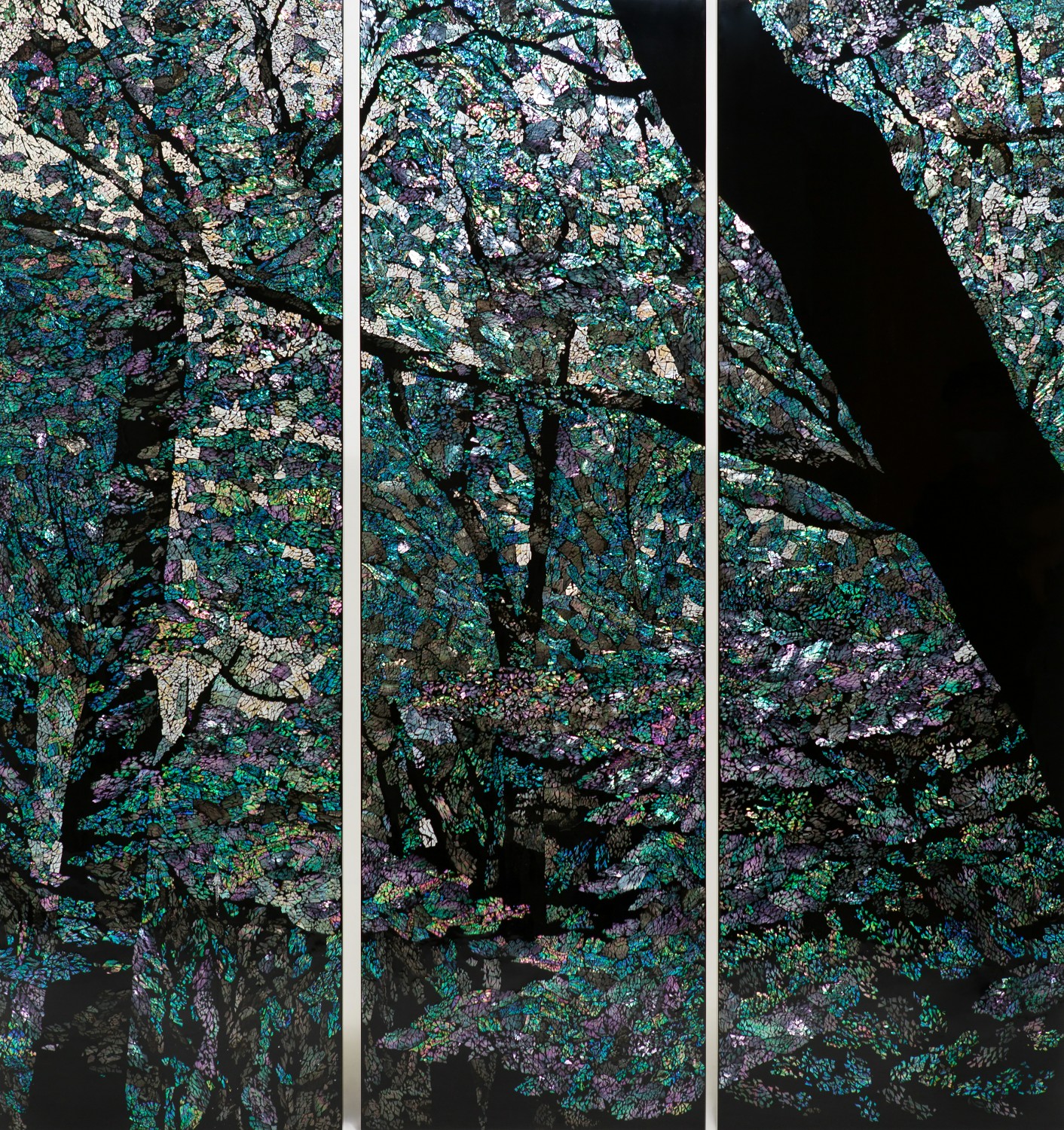
202021_202022_202023
2020 · Mother-of-pearl, hemp cloth on wood, natural lacquer
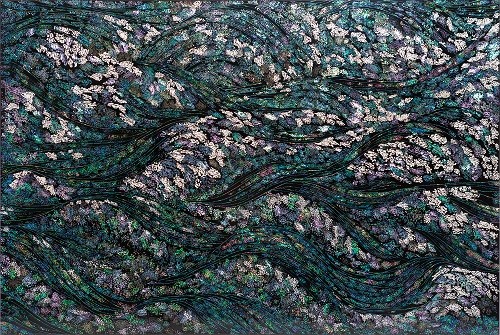
202013
2020 · Mother-of-pearl, hemp cloth on wood, natural lacquer
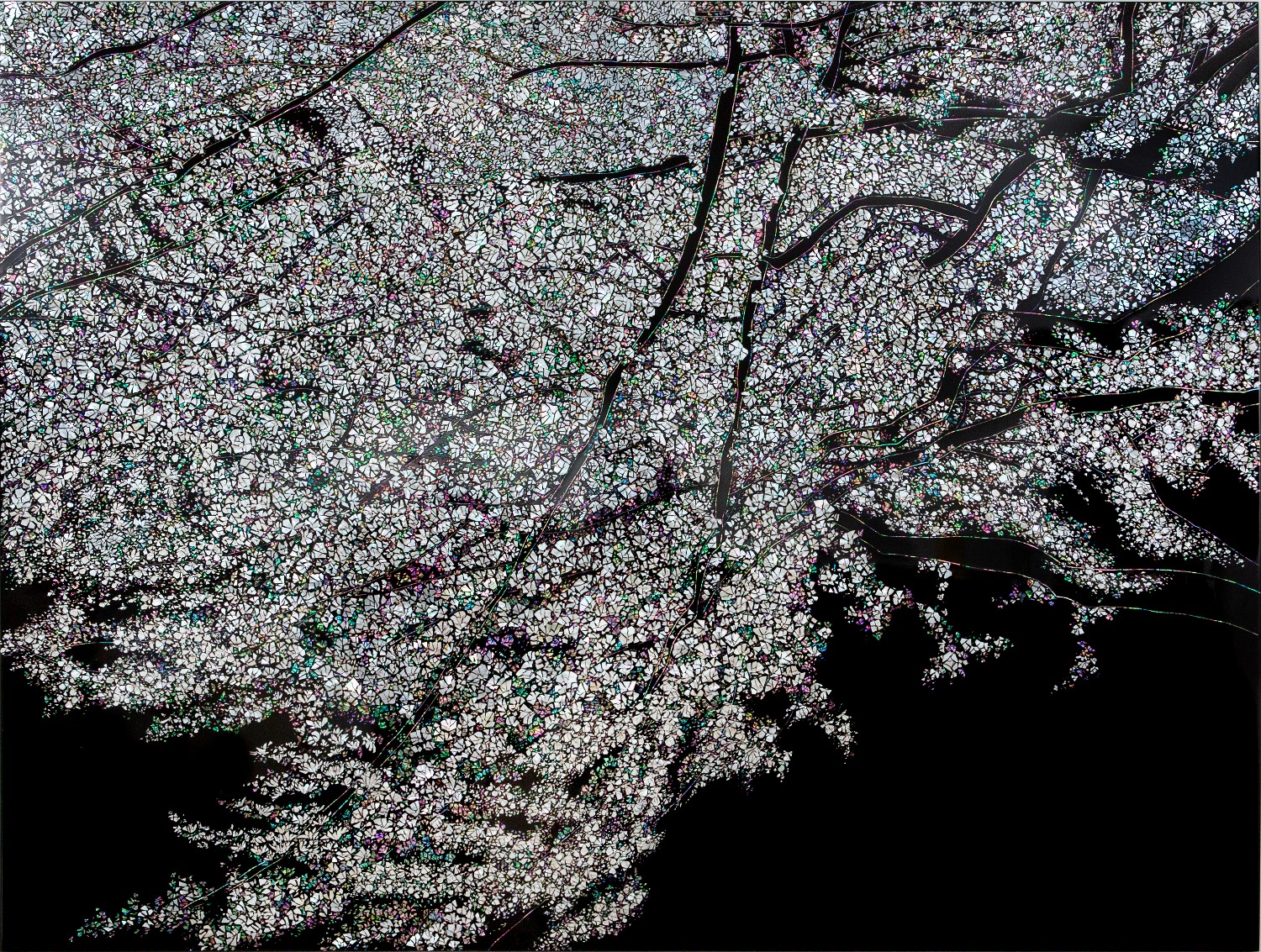
202010
2020 · Mother-of-pearl, hemp cloth on wood, natural lacquer
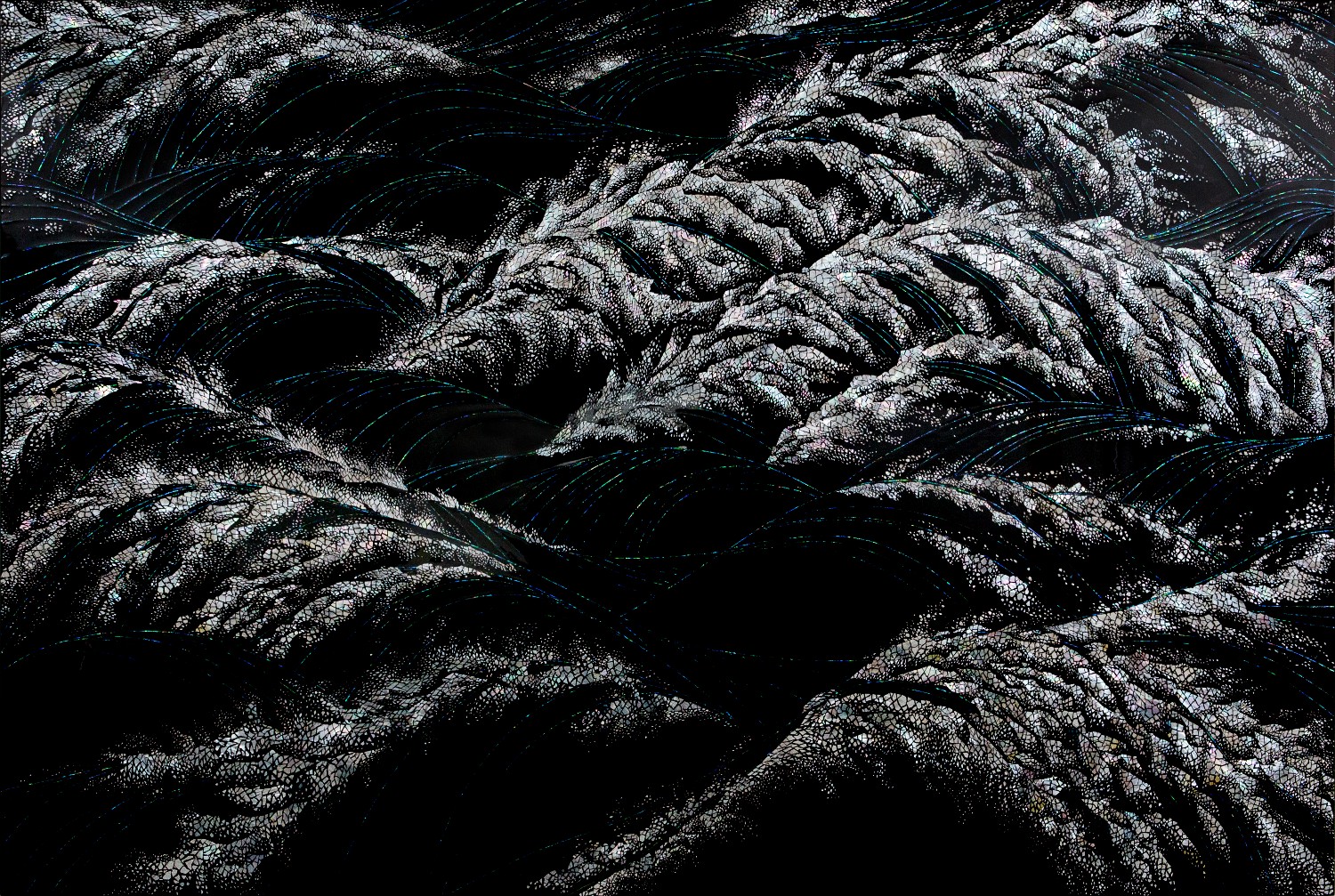
202002
2020 · Mother-of-pearl, hemp cloth on wood, natural lacque
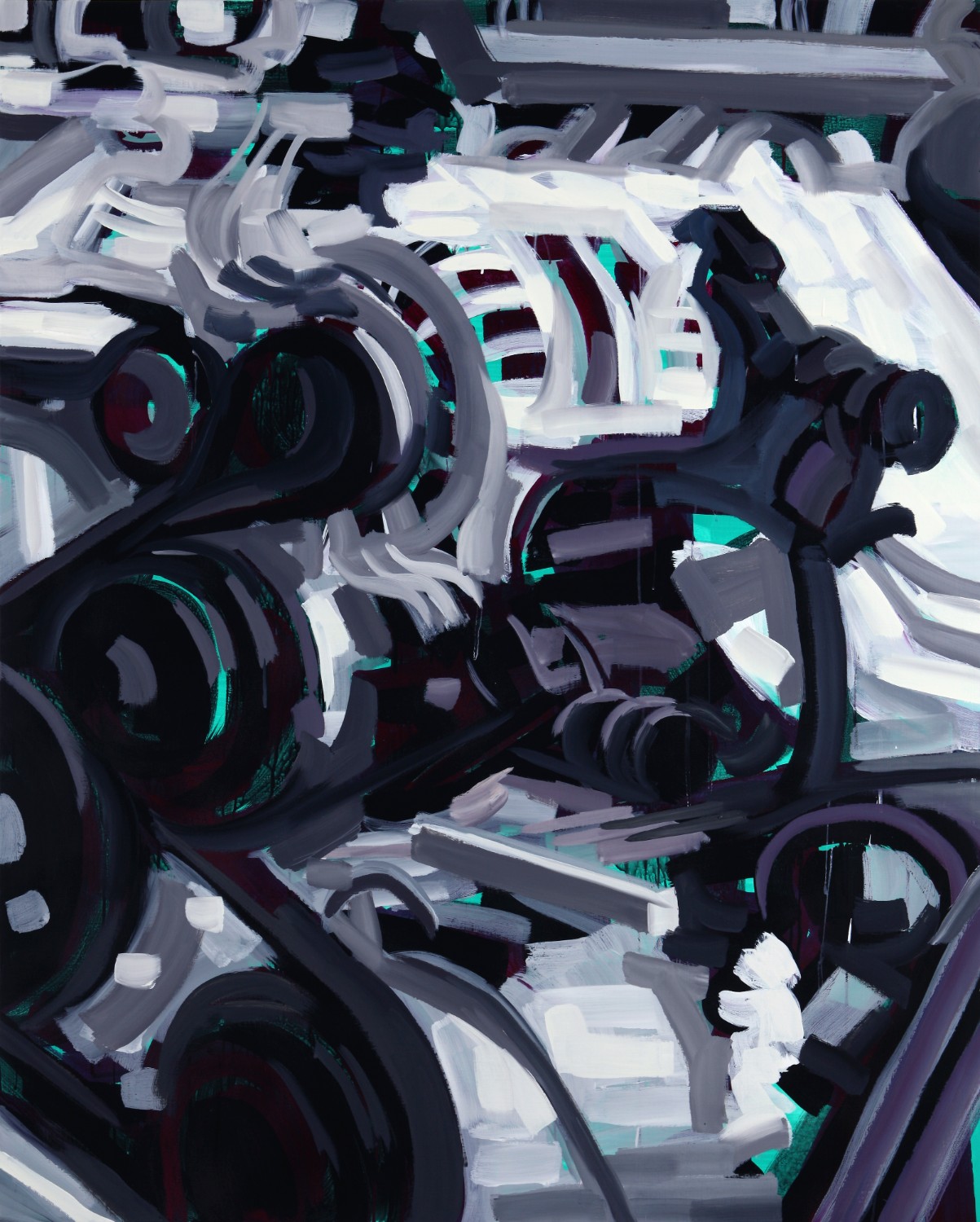
201773
2017 · Acrylic and oil on canvas
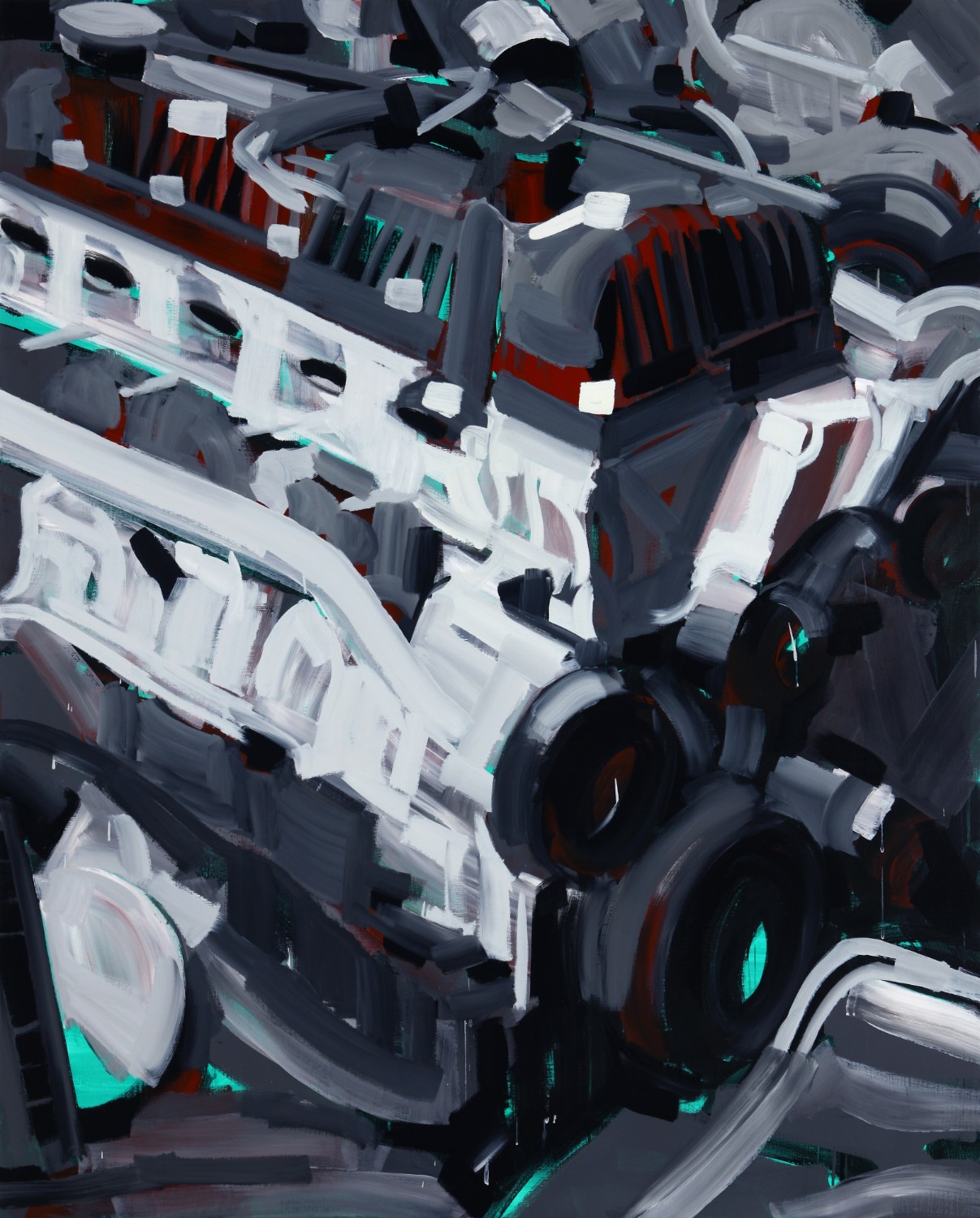
201774
2017 · Acrylic and oil on canvas