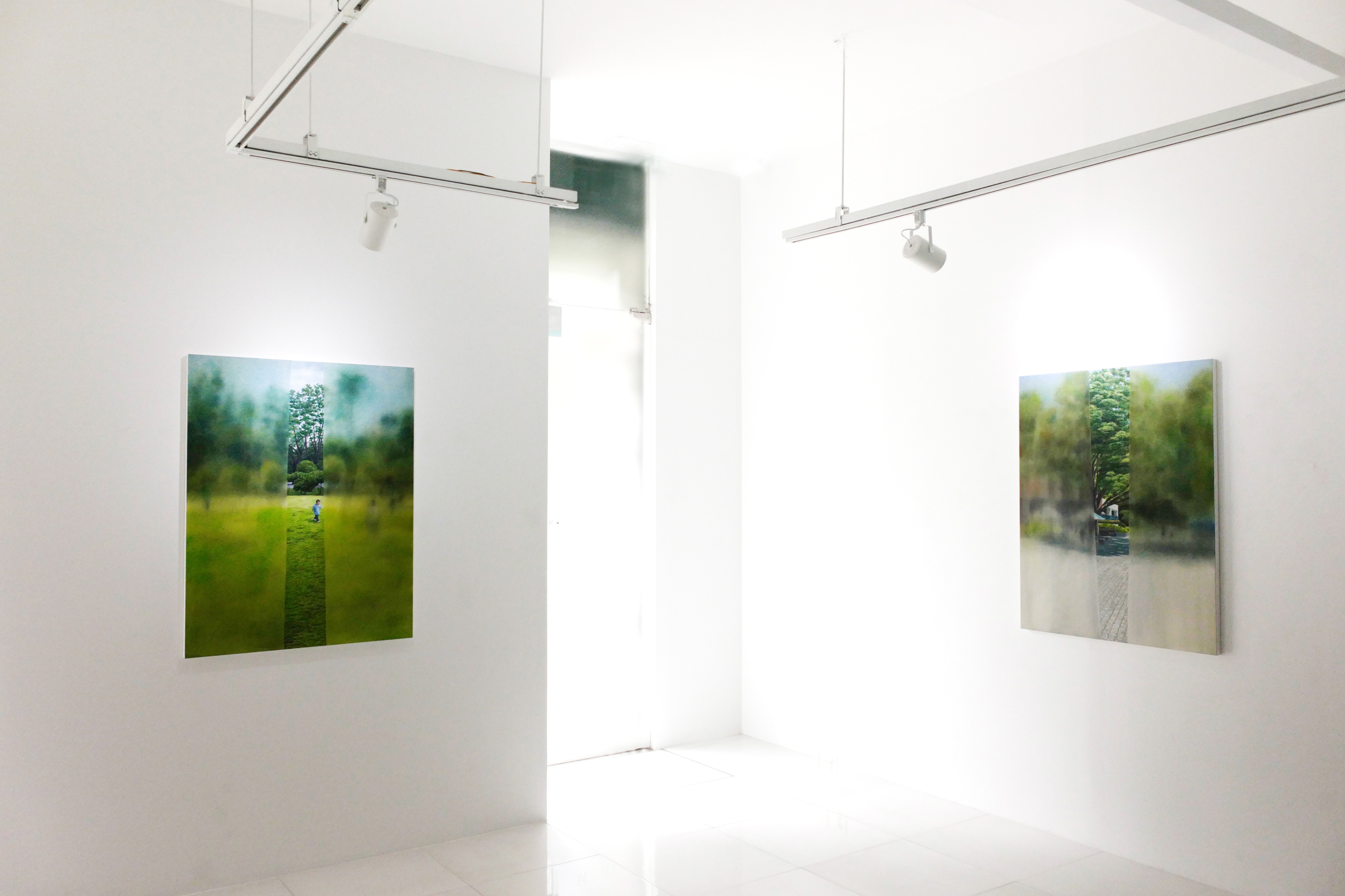
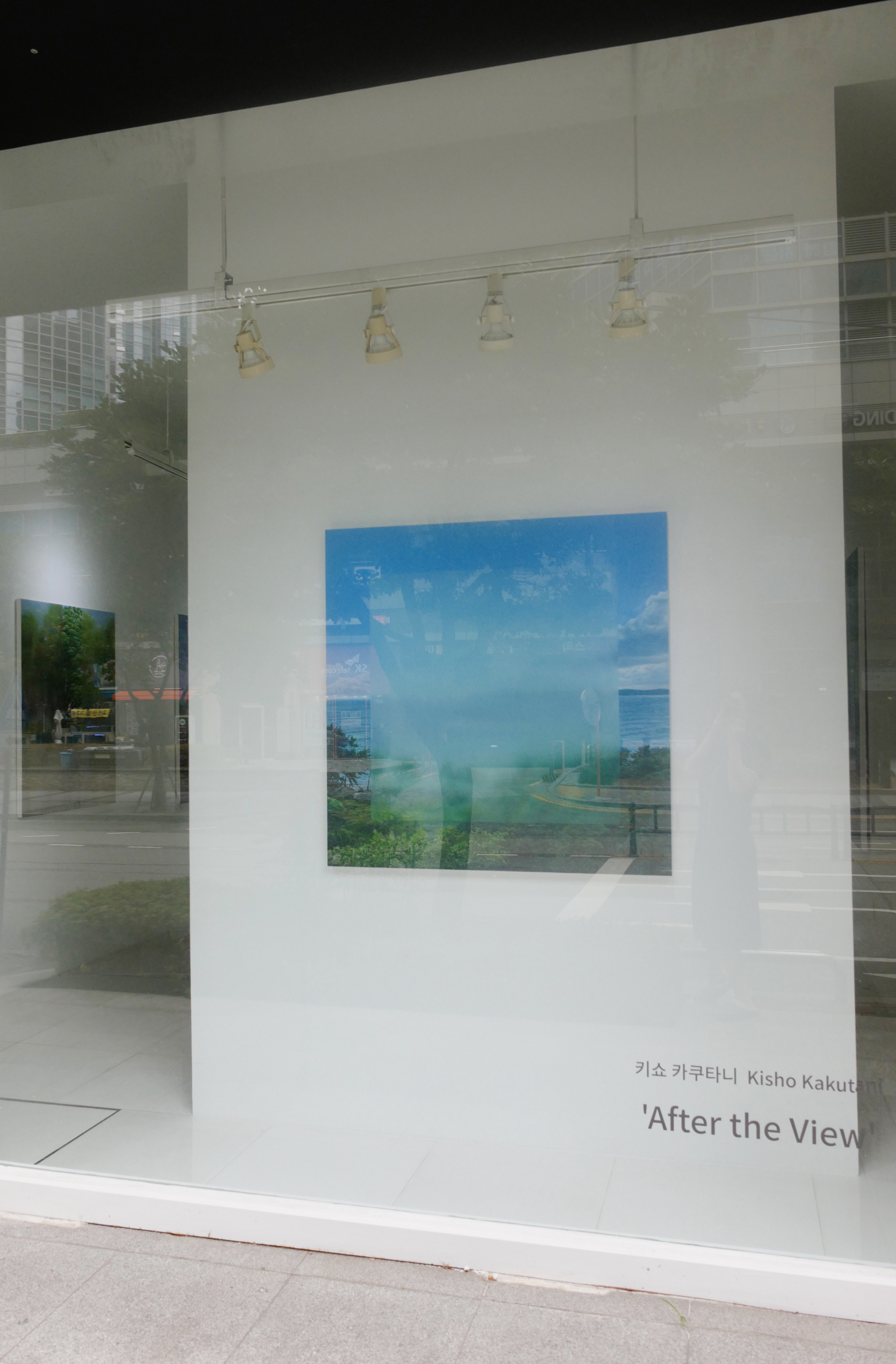
LEE & BAE is pleased to present a solo exhibition featuring the emerging Japanese contemporary artist Kisho Kakutani.
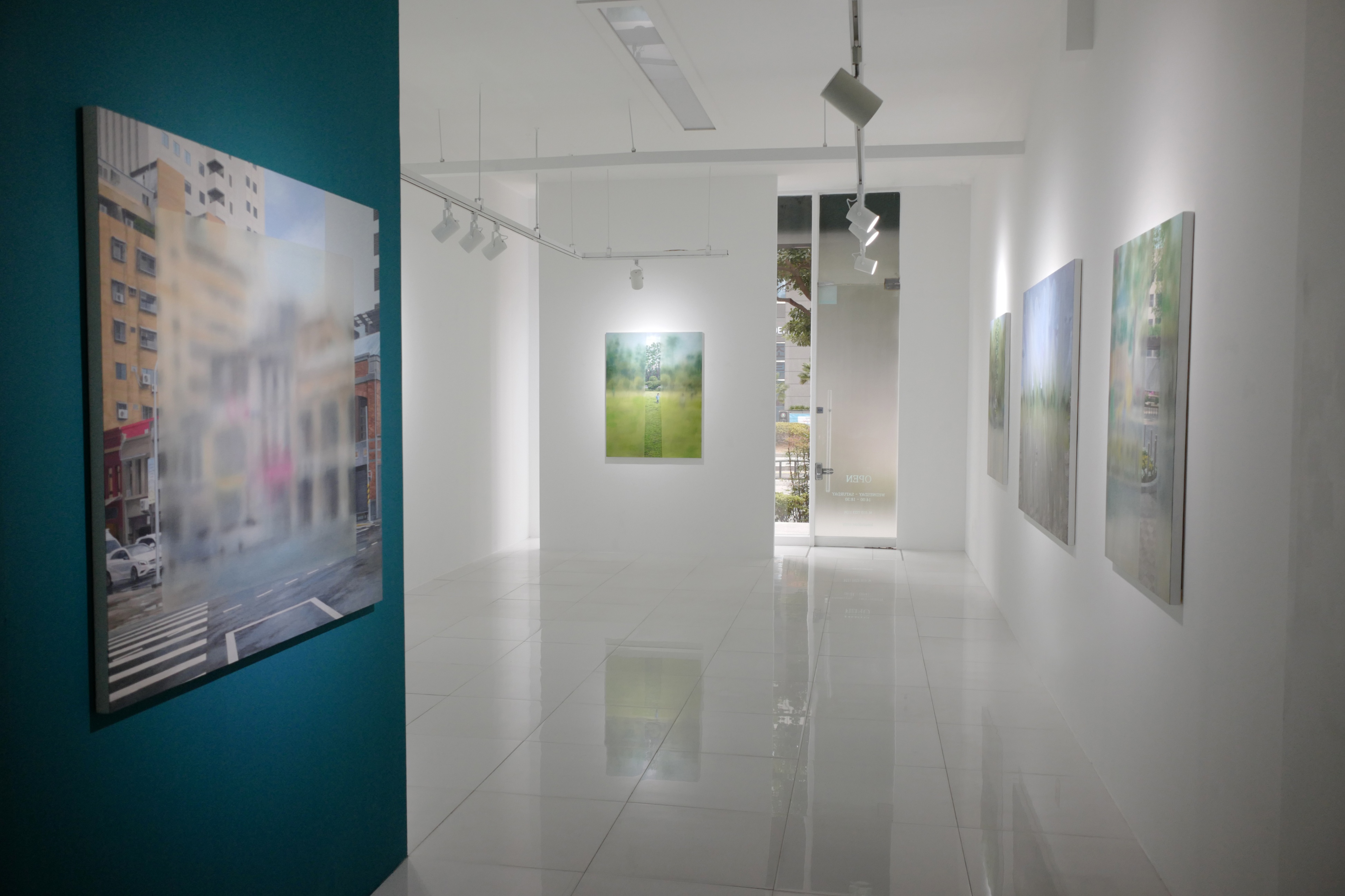
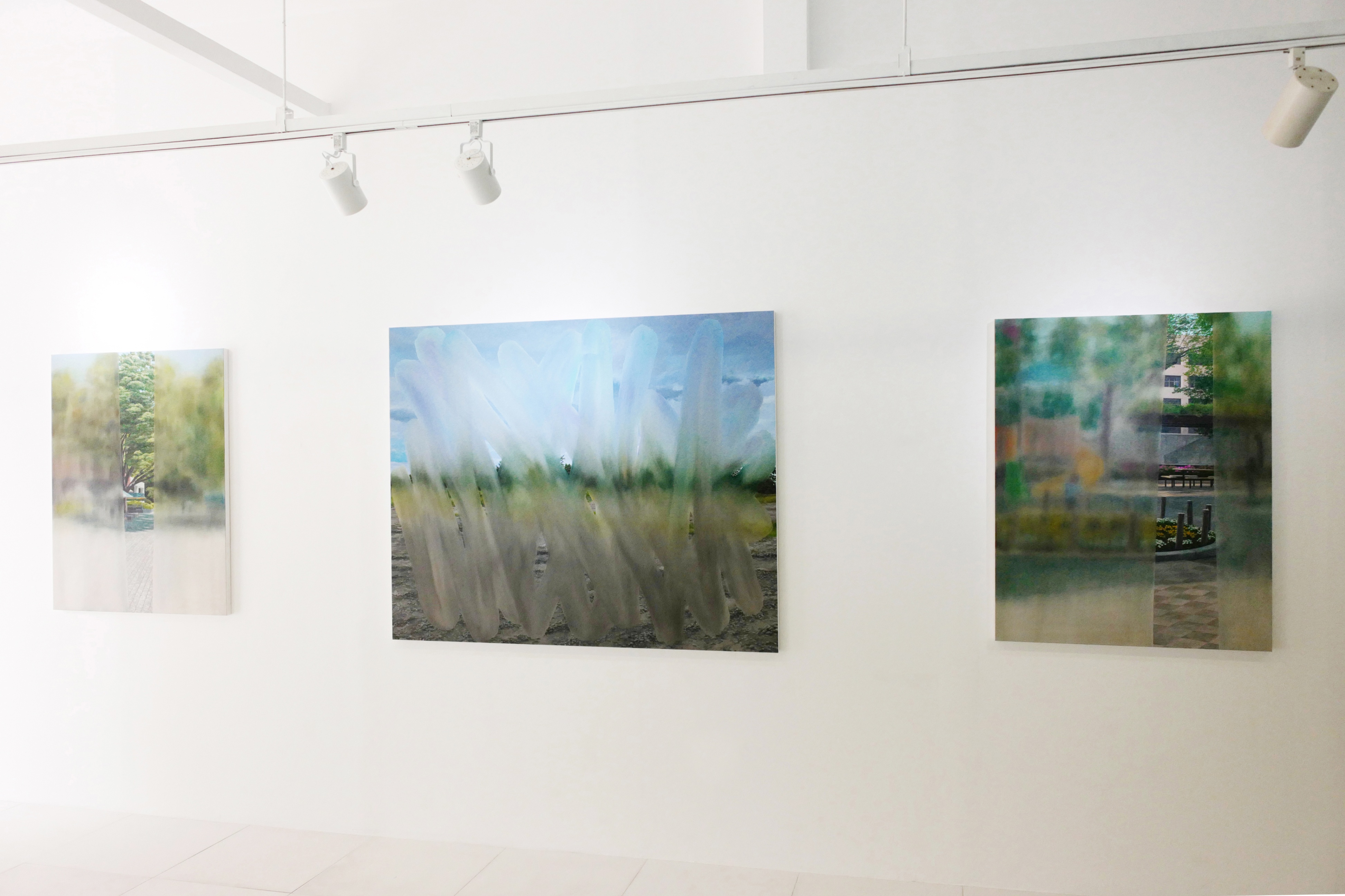
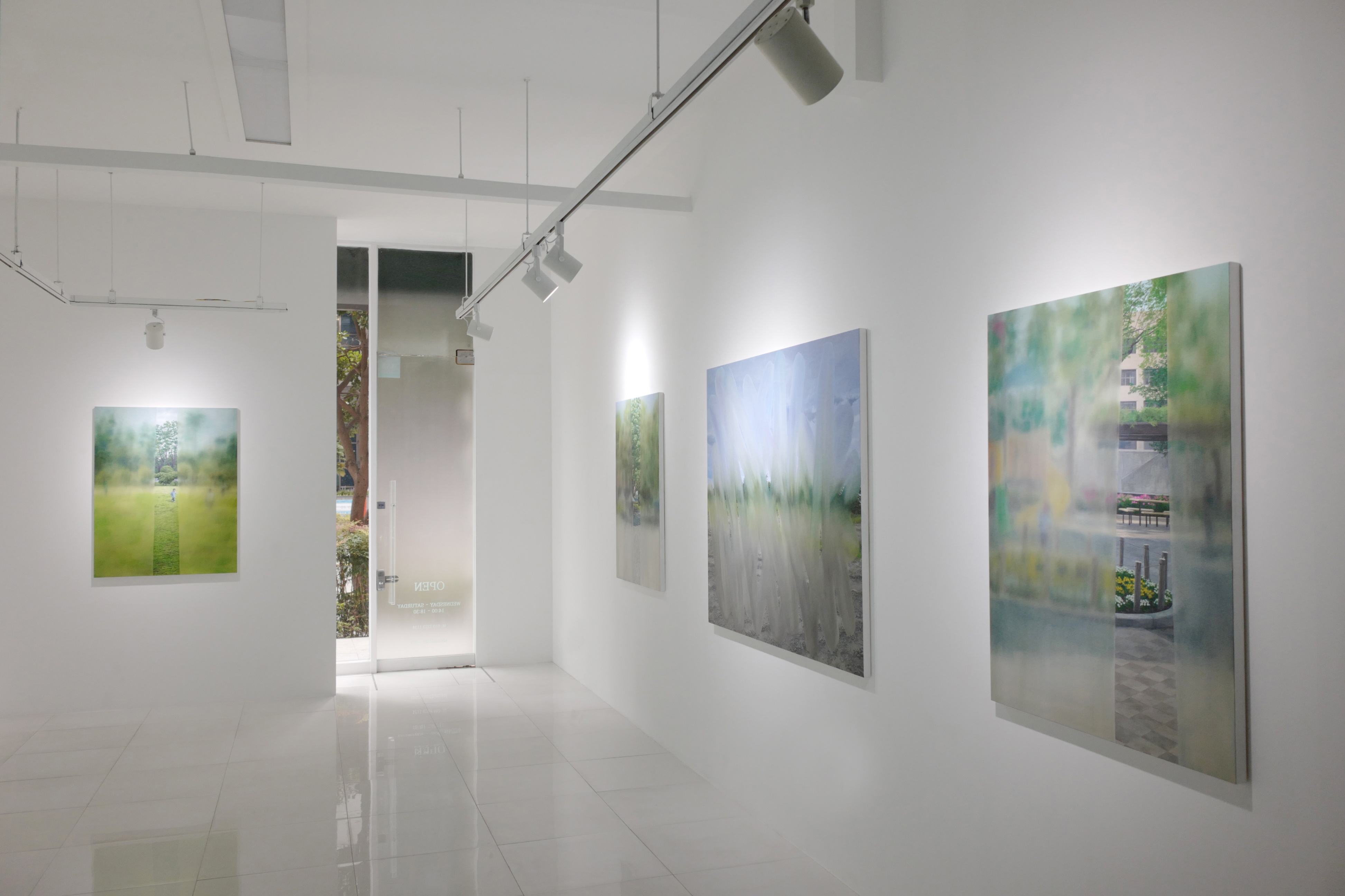
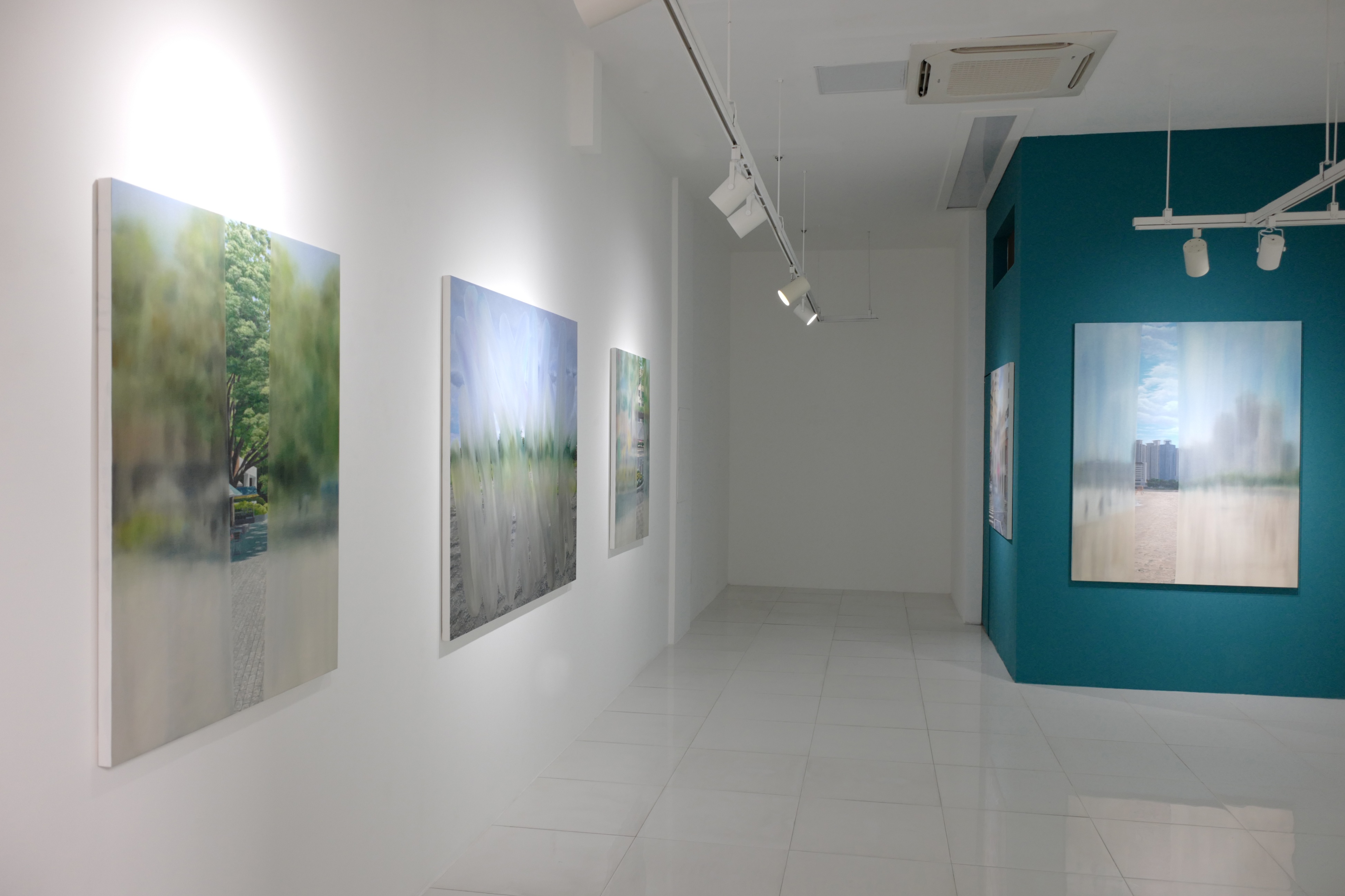
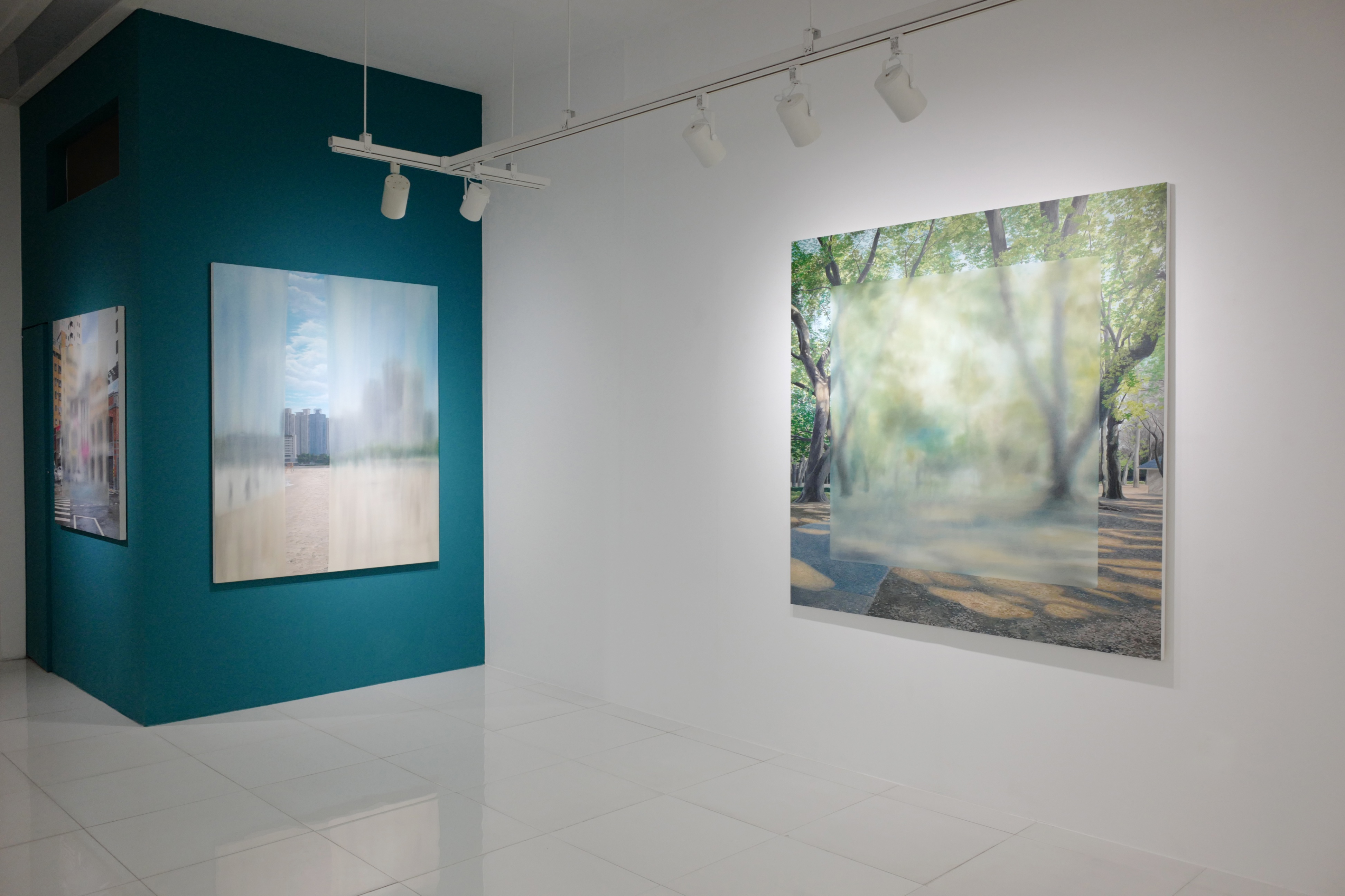
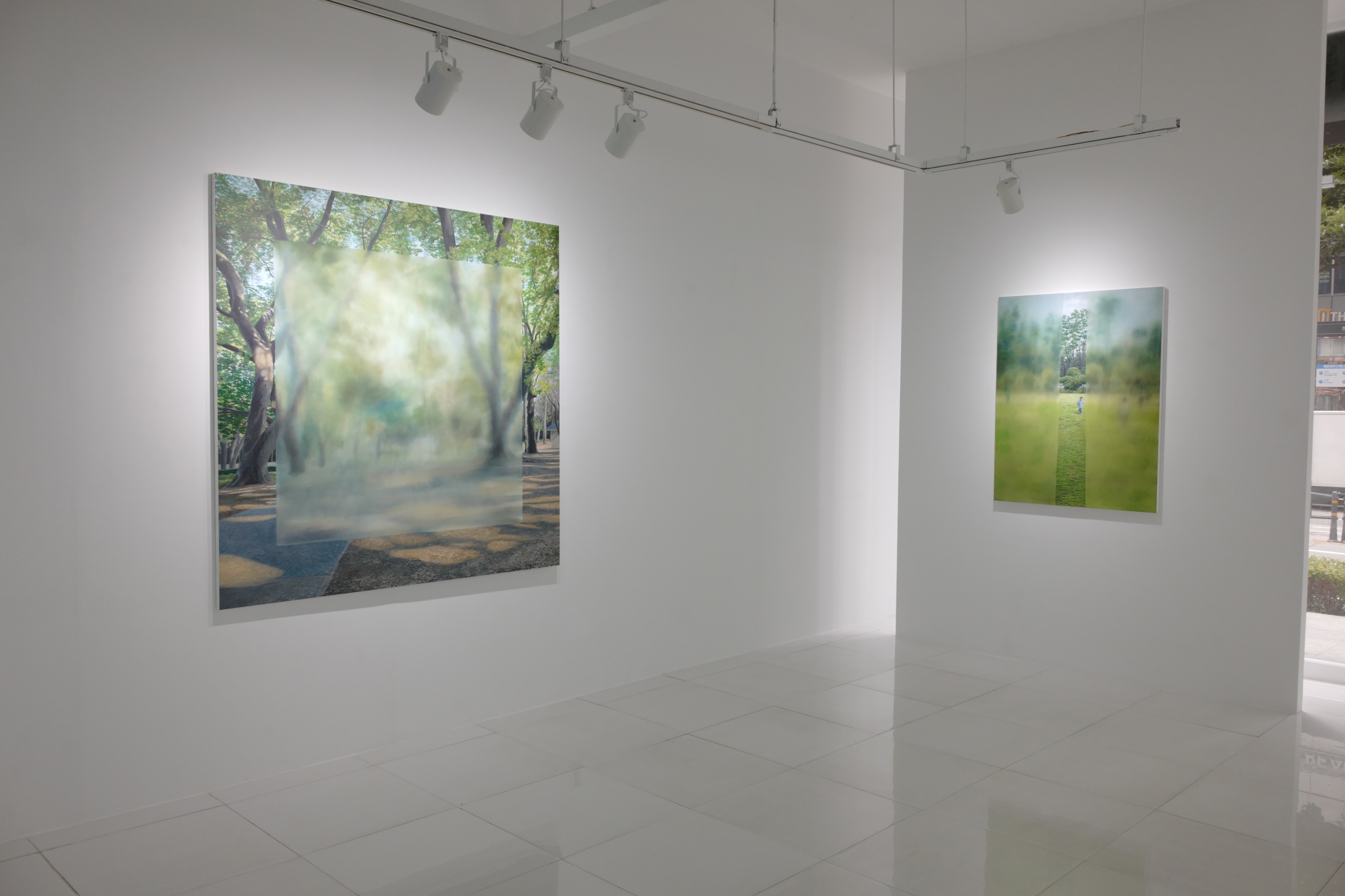
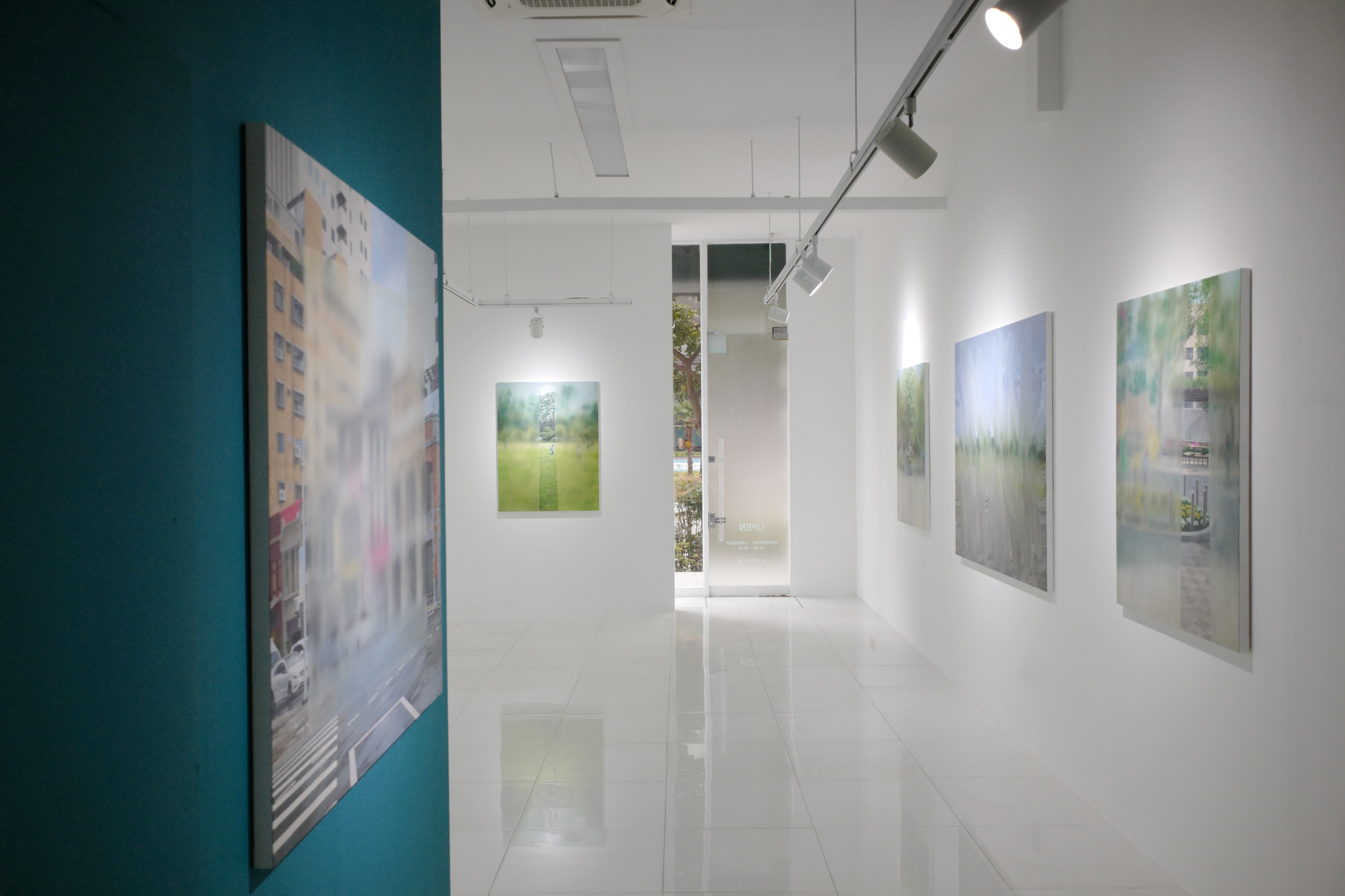
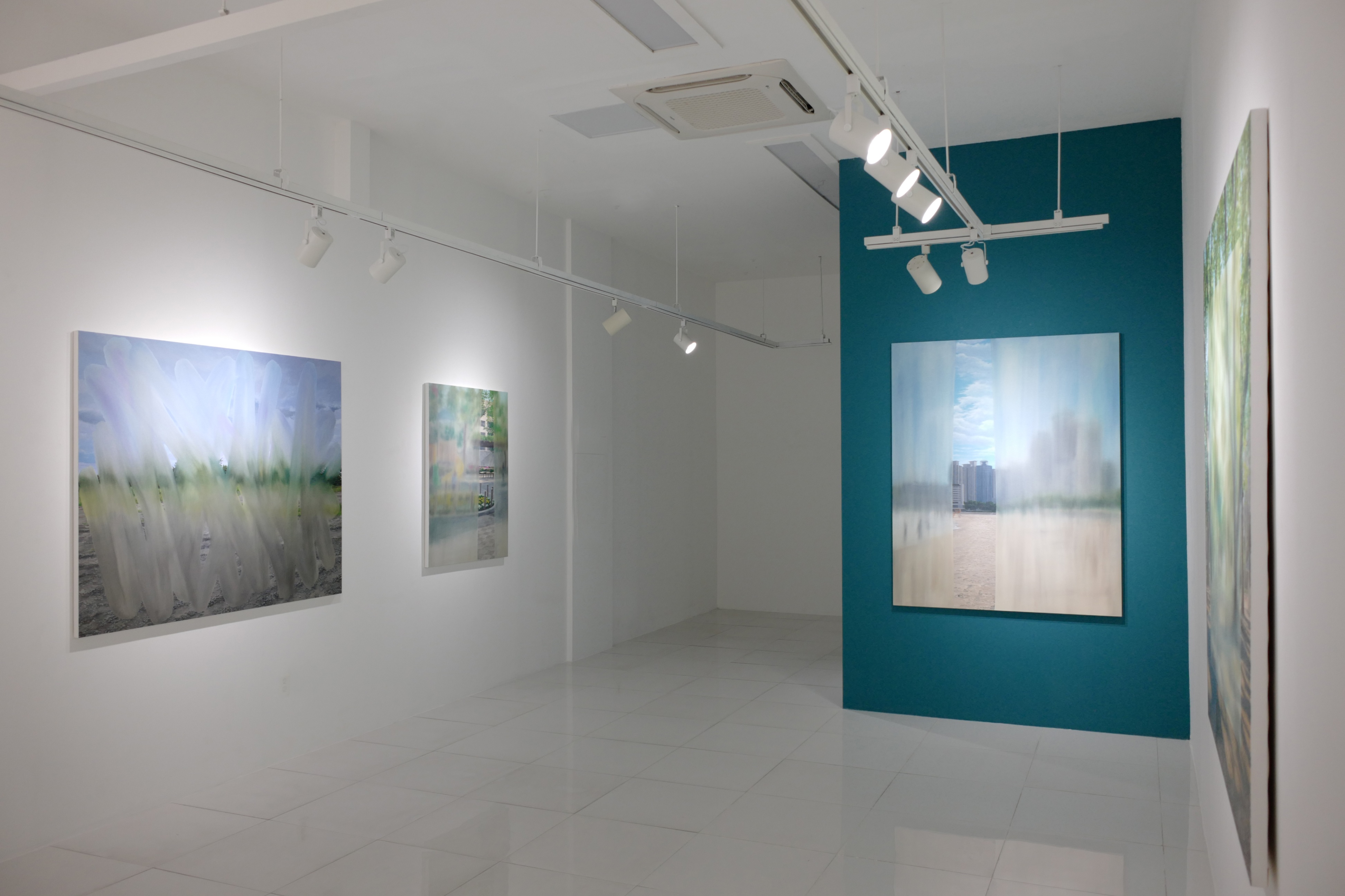
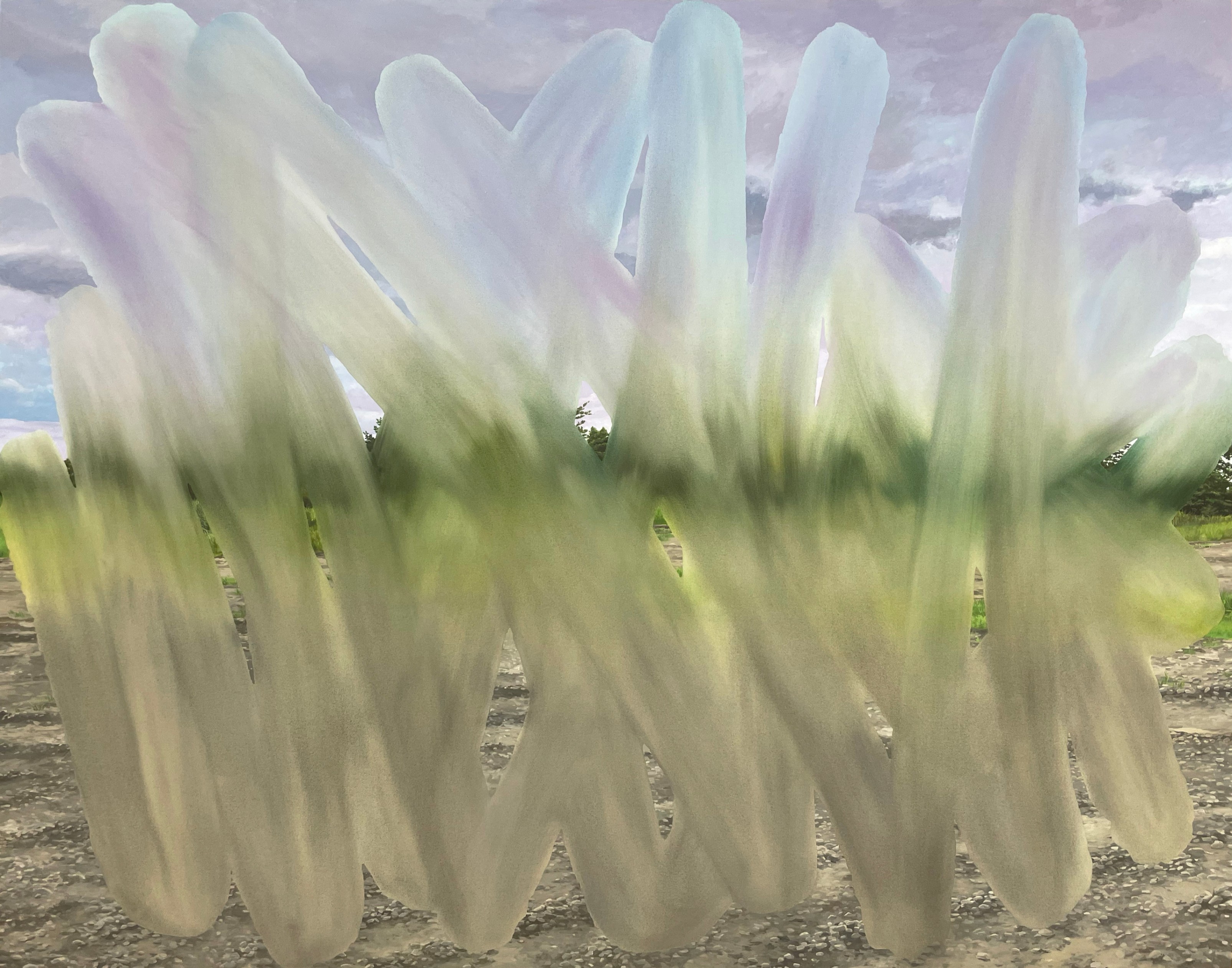
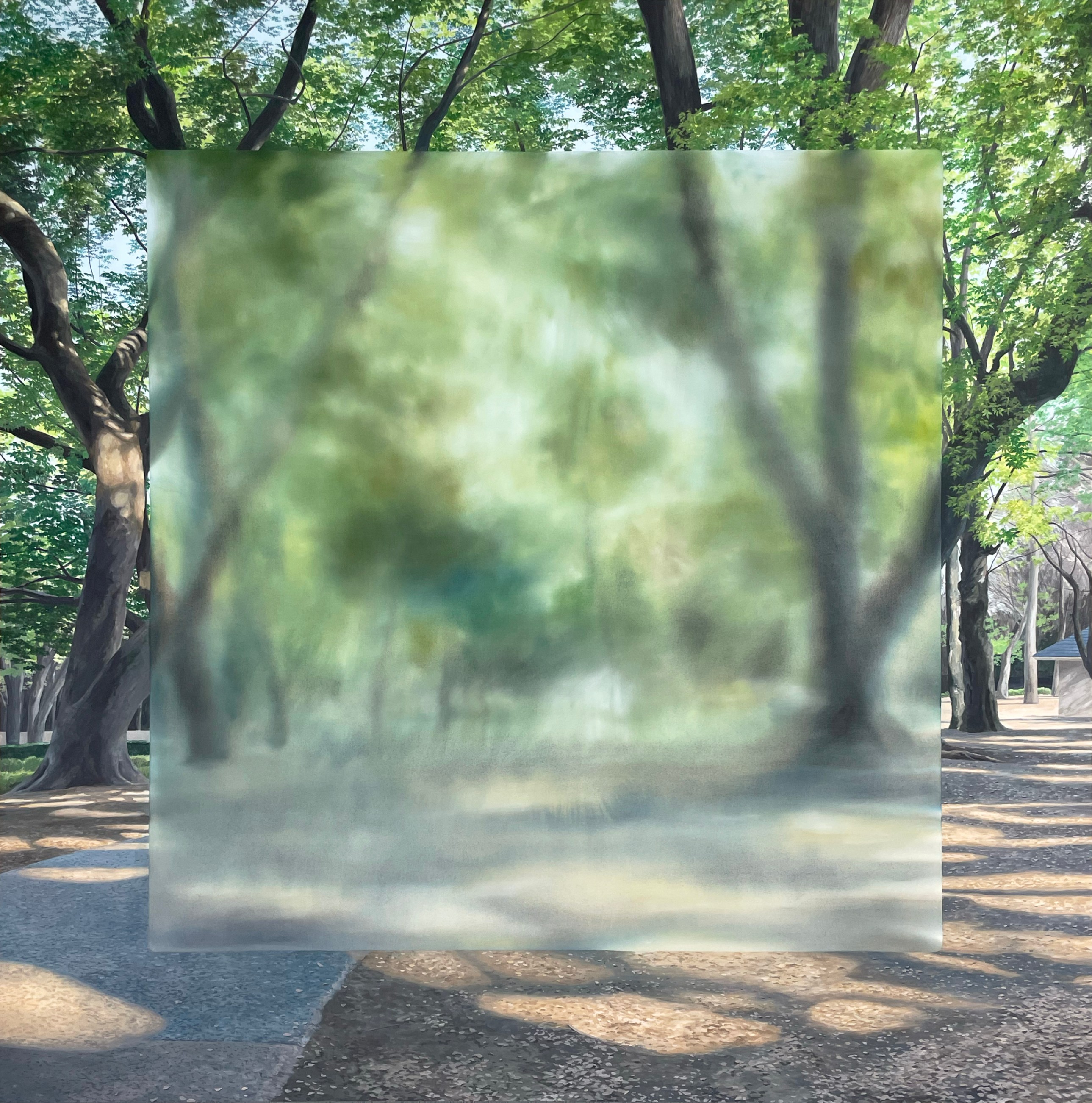
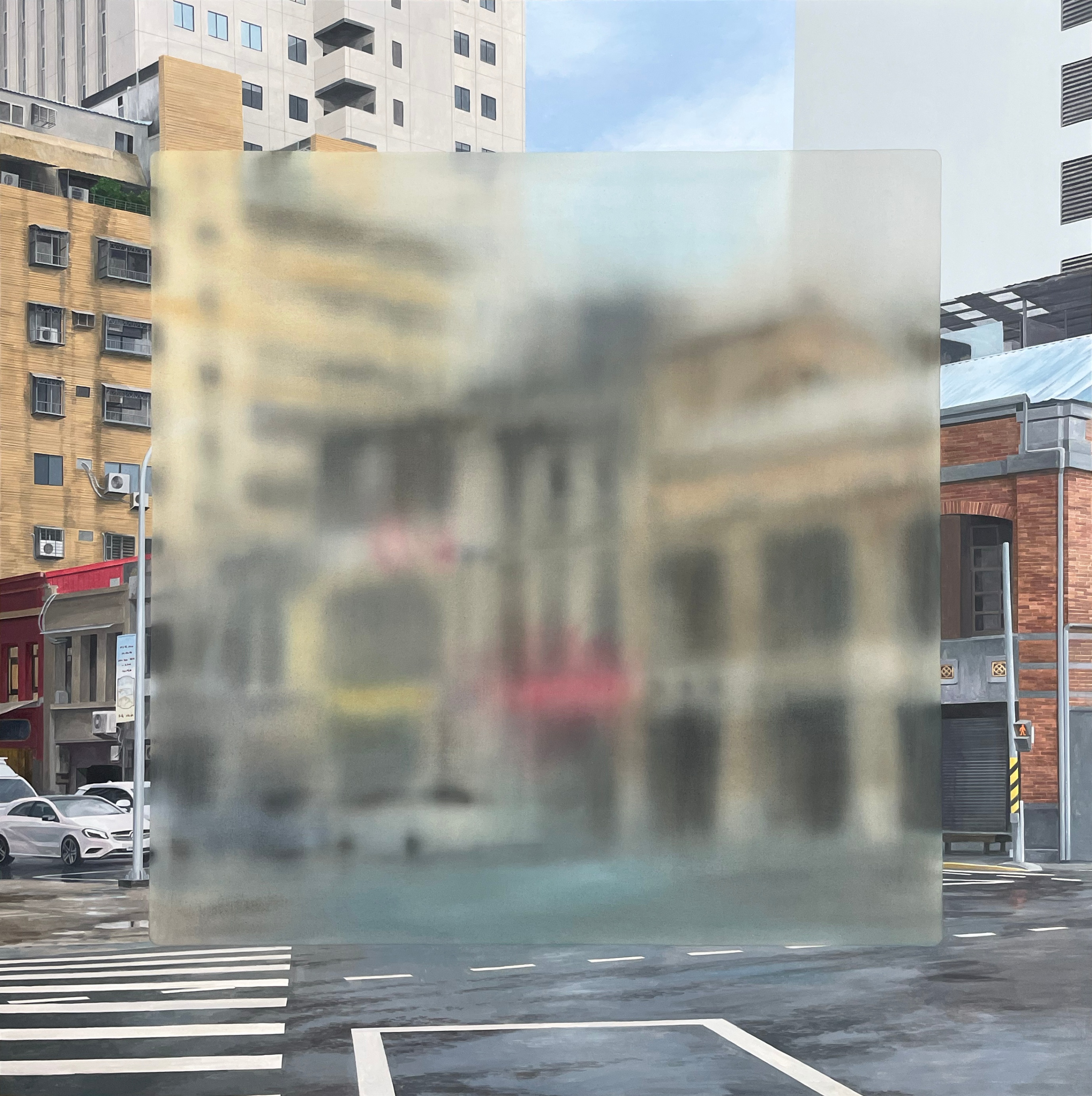
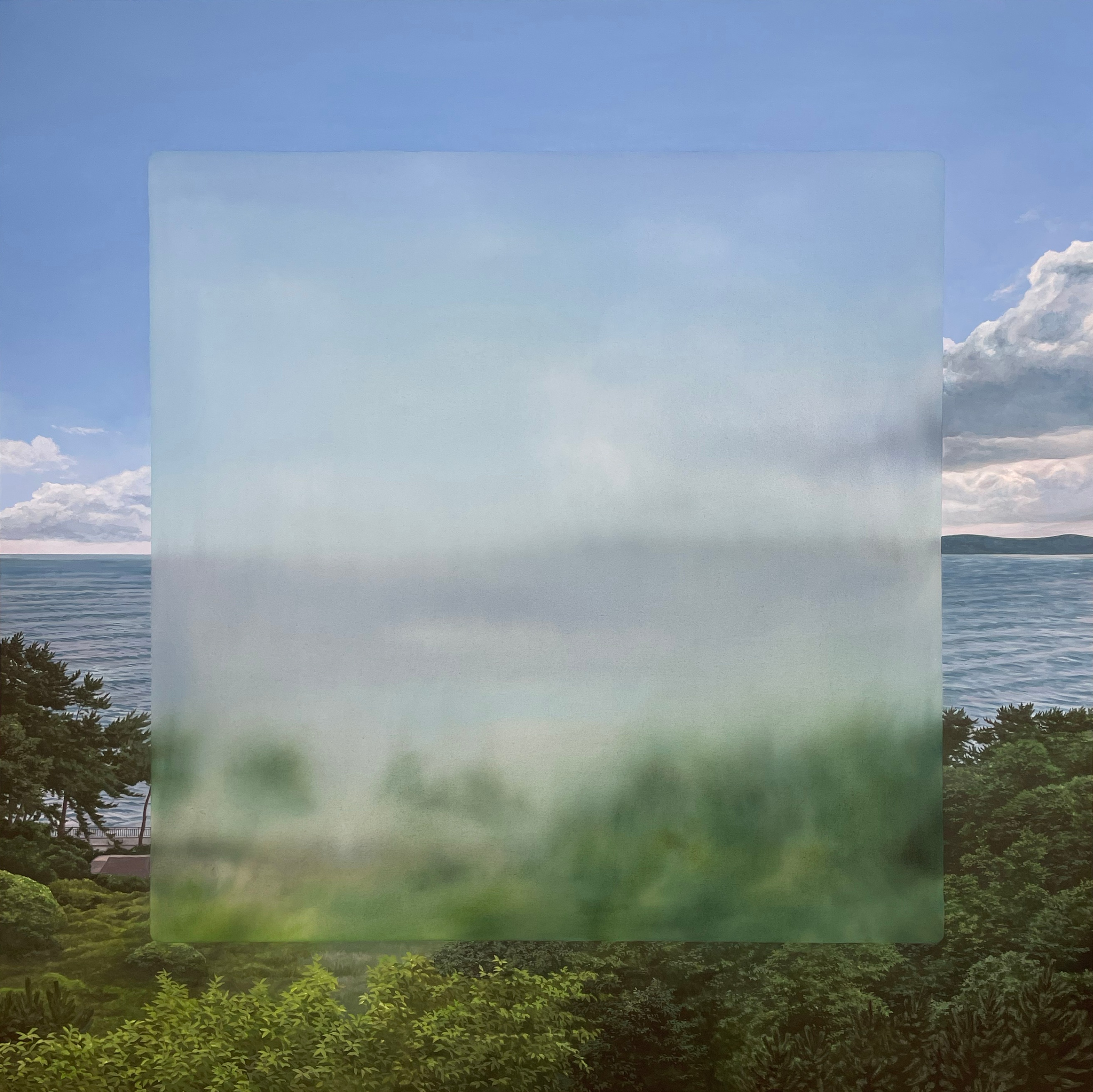
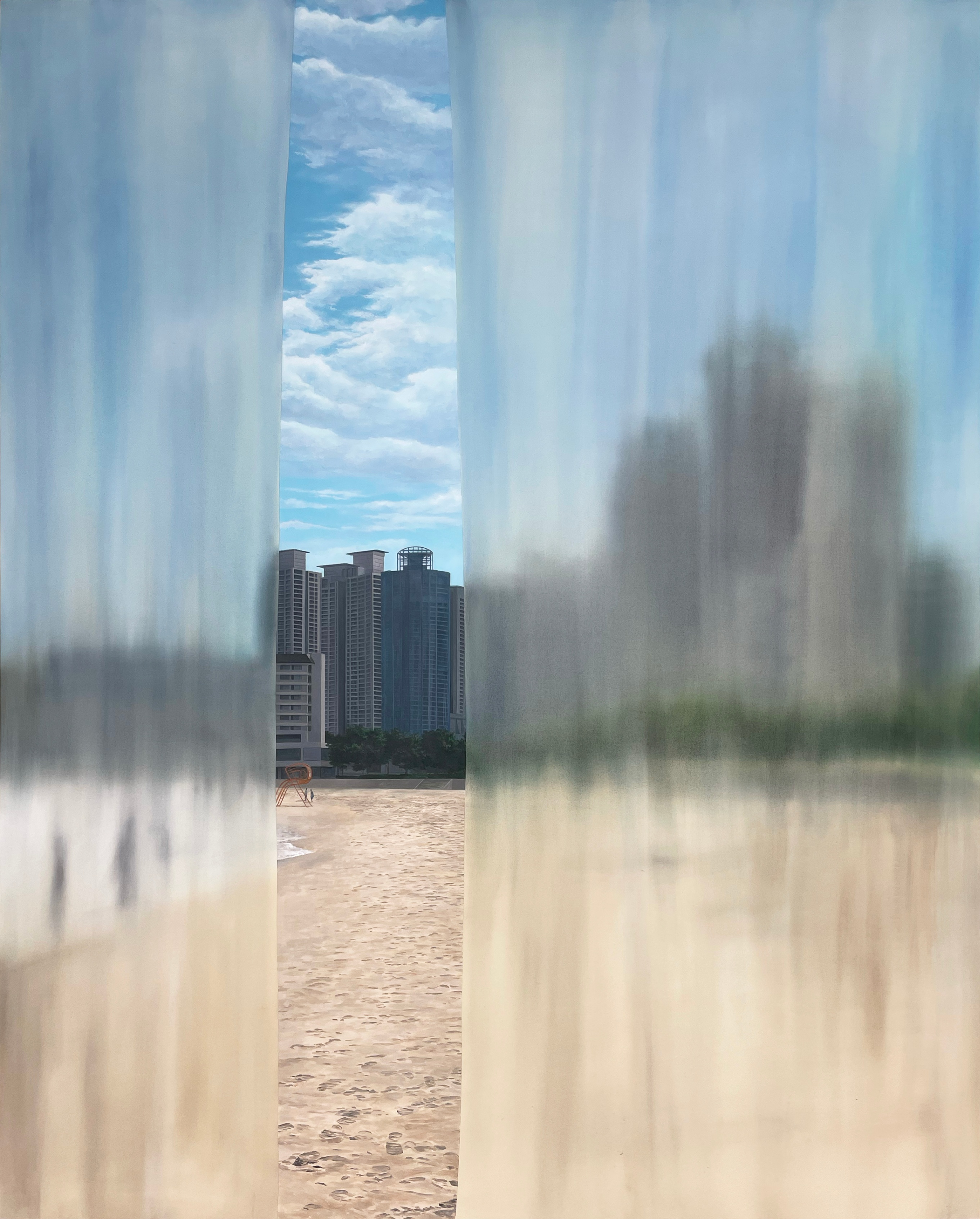
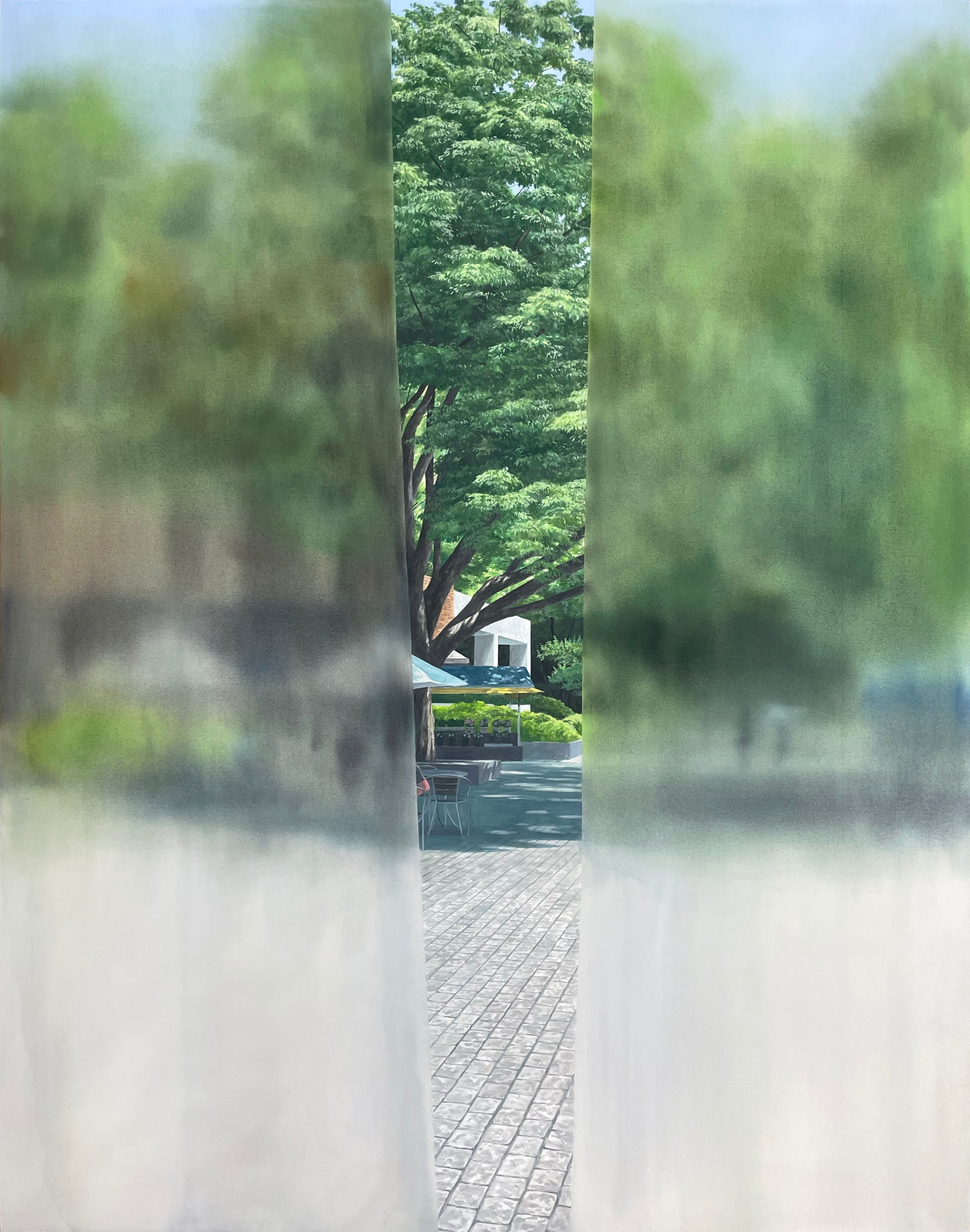
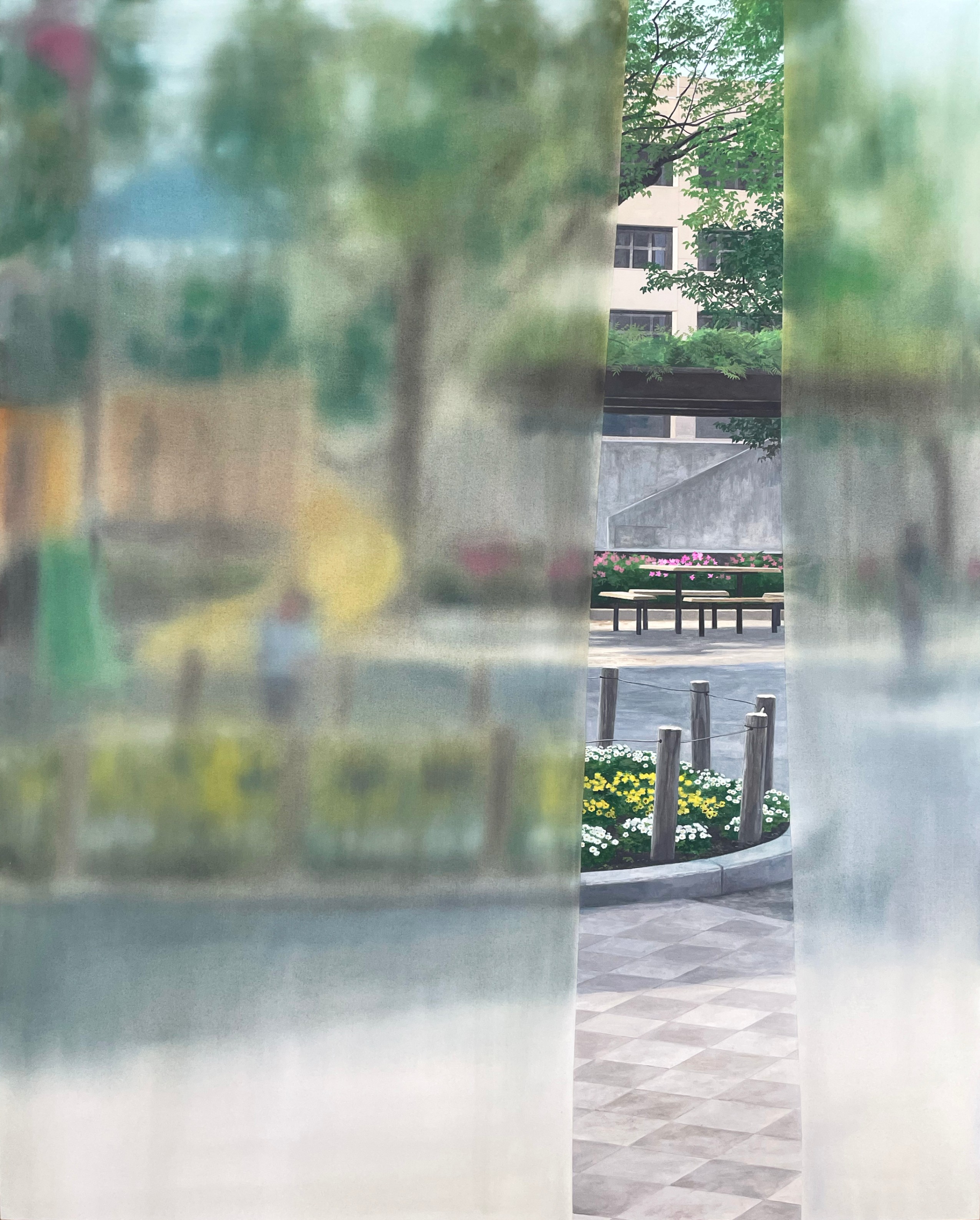
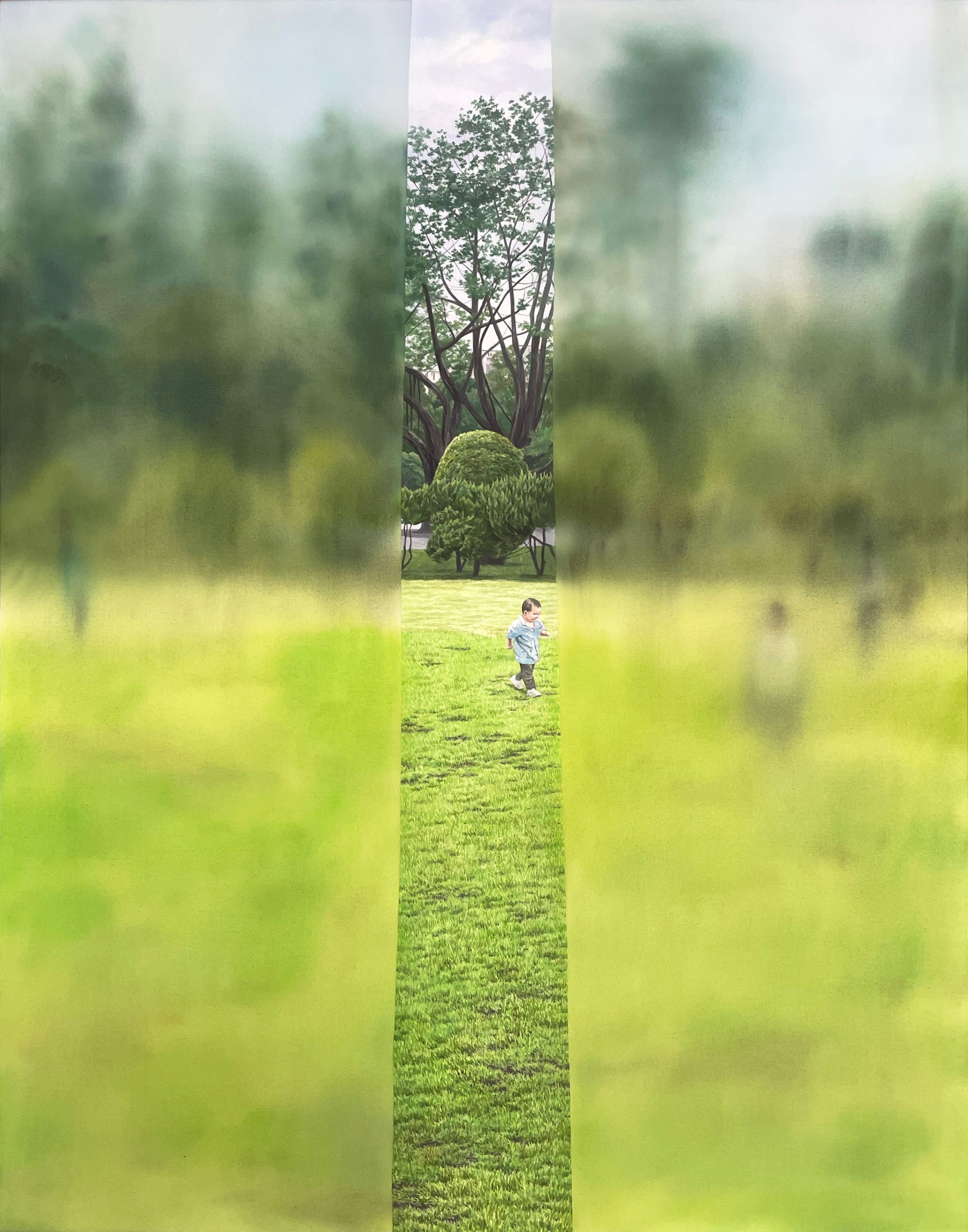
Kakutani conceptualizes his oeuvre as "a semiotic apparatus that facilitates imaginative projection. "The 'Frosted Window' effect, which purposefully obstructs the pictorial plane, functions as a form of visual noise and an epistemic barrier between the spectator and the depicted landscape. Precisely because the topography is partially concealed and rendered opaque, viewers are compelled to organically complete the scenery by projecting their personal memories, subjective experiences, and mnemonic afterimages onto the obliterated domains. Consequently, this structural configuration leverages visual ambiguity as a catalyst to stimulate the phenomenological interiority of the individual.
The subjects of Kakutani's inquiry are not sublime, extraordinary vistas, but rather ordinary and universal topographies encountered in daily life—such as coastal shores, urban arboreal rows, public parks, and mundane streets. Within the habituated familiarity of these everyday encounters, he evokes an uncanny, defamiliarized, and deeply latent sense of nostalgia. By meticulously transmuting the idiosyncratic motion blur of smartphone snapshots and the deliquescent fluidity of watercolor techniques into the contemporary medium of acrylics, he encapsulates a psychological state wherein the landscape appears as "a fleeting moment progressively dissolving or evaporating from human memory."
Kakutani possesses a rigorous traditional lineage, having conferred a doctorate in Japanese Painting (Nihonga) from Tokyo University of the Arts. In his highly distinctive painterly vocabulary, the classical ethos of East Asian and traditional Japanese art—notably the aesthetics of yobaek (negative space) and the tactile rendering of atmospheric humidity—is critically synthesized with modern acrylic media and the contemporary apparatus of smartphone photography, thereby manifesting as a genuinely unique paradigm in contemporary painting.